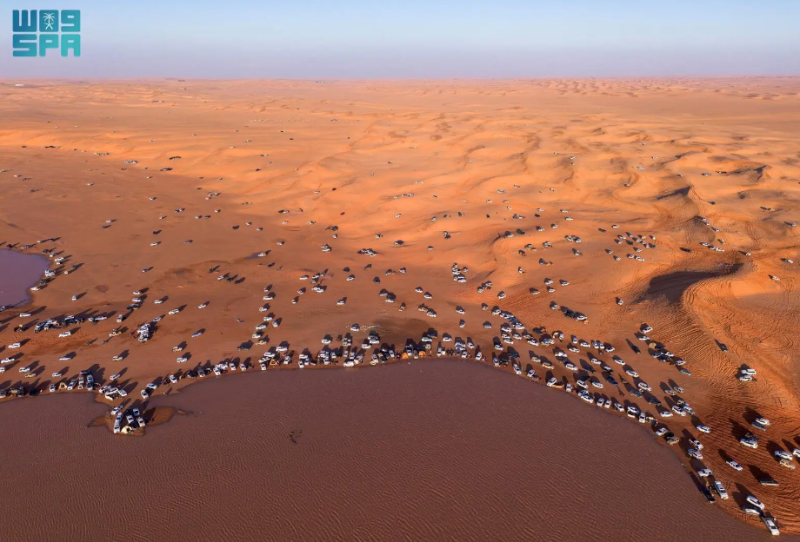

Saudi Arabia is bracing for a widespread period of rainfall across much of the country, the National Center for Meteorology (NCM) announced. The forecast, extending from December 23rd to December 31st, predicts precipitation in several key regions as temperatures continue to fall with the onset of winter. Residents are advised to monitor official weather updates for the latest information.
The anticipated rainfall is expected to affect Makkah, Asir, Al-Baha, Jazan, Madinah, Riyadh, Tabuk, Al-Jouf, the Eastern Province, and the Northern Borders, according to the NCM. This broad geographical scope suggests a potentially significant weather system impacting a large portion of the Kingdom. The NCM based its predictions on outputs from the Saudi Numerical Model.
Understanding the Forecasted Rainfall in Saudi Arabia
While the NCM has indicated the areas likely to experience precipitation, specific details regarding the intensity and type of rainfall remain unconfirmed. This lack of granular detail underscores the inherent challenges in long-range weather forecasting. The forecast does not differentiate between light showers and heavier downpours, leaving residents to prepare for a range of possibilities.
The current weather pattern follows a notable decrease in temperatures observed throughout Saudi Arabia in recent days. This cooling trend, particularly pronounced in the northern and central regions, signals the full arrival of the winter season. Lower temperatures often contribute to increased atmospheric moisture, creating conditions favorable for precipitation.
Recent Temperature Drops and Winter Conditions
The recent cold snap has seen temperatures dip below seasonal averages in several cities. This has led to increased demand for heating and adjustments in daily routines for many Saudis. The shift in weather also impacts agricultural practices, requiring farmers to take protective measures for their crops.
The NCM’s announcement comes as Saudi Arabia invests in advanced meteorological technology to improve the accuracy and timeliness of its weather forecasts. These investments include enhanced radar systems and sophisticated modeling capabilities. Better forecasting allows for more effective disaster preparedness and mitigation strategies.
Historically, winter in Saudi Arabia can bring periods of heavy rainfall, especially to the mountainous regions of Asir and Al-Baha. These areas are accustomed to dealing with flash floods and related challenges. The Eastern Province, while generally drier, can also experience significant rainfall events during the winter months, sometimes leading to disruptions in urban areas.
The potential for rainfall also raises concerns about transportation, particularly road travel. Authorities typically issue warnings about driving conditions during and after heavy rain, urging caution and advising against unnecessary travel. The impact on air travel remains to be seen and will depend on the severity of the weather in affected areas.
The Ministry of Environment, Water and Agriculture has previously emphasized the importance of maintaining drainage systems and preparing for potential flood risks during the rainy season. This includes clearing wadis (dry riverbeds) and ensuring the functionality of dams and other water management infrastructure. Effective water management is crucial in a region prone to both drought and flash floods.
Additionally, the Saudi Red Crescent Authority routinely prepares for increased emergency response demands during periods of inclement weather. This involves deploying additional personnel and resources to areas at higher risk of flooding or other weather-related incidents. Public safety is a primary concern for emergency services.
The NCM’s advisory highlights the need for residents to stay informed about evolving weather conditions. Accessing official weather bulletins through the NCM’s website and social media channels is the most reliable way to receive up-to-date information. Reliance on unofficial sources can lead to inaccurate assessments of risk.
Looking ahead, the NCM will continue to monitor the developing weather system and provide updated forecasts as needed. The precise timing and intensity of the rainfall remain subject to change, and further analysis is required to refine the predictions. Residents should remain vigilant and prepared for potential disruptions throughout the forecast period, and pay attention to any advisories issued by local authorities regarding severe weather.
The situation warrants continued observation, particularly regarding the potential for flash floods in mountainous and desert areas. The NCM’s next update is expected on December 26th, which should provide a more detailed assessment of the rainfall’s likely impact.