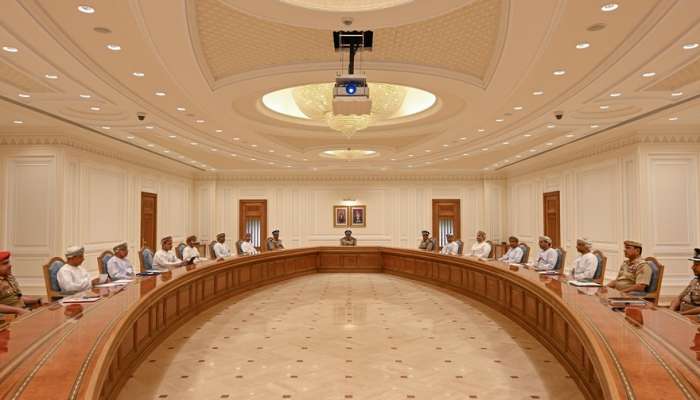

Oman is continually strengthening its national infrastructure to address potential emergencies, and a recent meeting of the National Committee for Emergency Management (NCEM) underscores this commitment. Chaired by the Inspector General of Police and Customs, the session focused on reviewing current protocols and identifying areas for improvement in the nation’s emergency management capabilities. This proactive approach is vital for ensuring the safety and well-being of citizens and residents alike.
Enhancing Oman’s Emergency Management Framework
The NCEM meeting, held today in Muscat, served as a crucial platform for evaluating the effectiveness of existing emergency response systems. Discussions centered on optimizing the tasks undertaken by the committee and exploring innovative strategies to bolster its overall performance. A key focus was placed on enhancing the efficiency and readiness of all sectors involved in emergency response, from civil defense to healthcare and logistics. This holistic review aims to create a more resilient and coordinated national response network.
Coordination and Integration as Cornerstones
The Inspector General of Police and Customs, in his opening remarks, specifically commended the high level of coordination and integration demonstrated by the various authorities involved in emergency management. Effective collaboration between different agencies is paramount when dealing with crises, ensuring a seamless and unified response. This positive assessment highlights the progress Oman has made in fostering a collaborative environment for disaster preparedness.
He further expressed his gratitude to the dedicated members of the NCEM, its specialized panels, and all relevant parties for their unwavering commitment. Recognizing the tireless efforts of these individuals is essential for maintaining morale and encouraging continued dedication to this critical national function. The Inspector General emphasized that their readiness is a direct reflection of Oman’s dedication to protecting its people.
The Importance of Public Engagement in Disaster Preparedness
Beyond the internal workings of the NCEM, the meeting also highlighted the increasingly positive role of the public in supporting emergency management efforts. The Chairman of the Committee noted a growing trend of public awareness and cooperation with the various sectors involved in emergency response. This shift in public attitude is incredibly valuable, as community involvement is a fundamental pillar of any successful emergency management scheme.
Increased public awareness translates directly into faster response times and a more effective overall strategy. When citizens are informed about potential risks and understand how to react appropriately, they become active participants in their own safety and the safety of their communities. This proactive approach reduces the burden on emergency services and allows them to focus on the most critical needs.
Building a Culture of Preparedness
Oman’s focus on public education and outreach programs is contributing significantly to this positive trend. These initiatives aim to equip citizens with the knowledge and skills necessary to prepare for, respond to, and recover from emergencies. Topics covered often include first aid, evacuation procedures, and communication protocols. Furthermore, promoting a culture of disaster preparedness encourages individuals to take personal responsibility for their safety and the safety of their families.
The NCEM recognizes that a well-informed and engaged public is a force multiplier in times of crisis. This understanding drives their commitment to continuous improvement in public awareness campaigns and community outreach programs. Crisis communication is also a vital component, ensuring that accurate and timely information reaches the public during an emergency.
Looking Ahead: National Preparedness and Integration
The overarching goal of the NCEM’s ongoing efforts is to achieve the highest levels of national preparedness and integration. This involves not only refining existing protocols but also anticipating future challenges and developing innovative solutions. The committee is actively exploring the use of advanced technologies, such as data analytics and artificial intelligence, to improve risk assessment and response capabilities.
The Chairman emphasized that the NCEM’s work directly contributes to the facilitation of its missions and the optimization of response times. By streamlining processes, enhancing coordination, and fostering public engagement, the committee is ensuring that Oman is well-equipped to handle any emergency that may arise. This dedication to proactive planning and continuous improvement is a testament to the nation’s commitment to safeguarding its citizens.
The NCEM’s commitment to strengthening Oman’s emergency response capabilities is a continuous process. Regular meetings, like the one held today, are essential for identifying areas for improvement and ensuring that the nation remains prepared for any eventuality. Continued collaboration between government agencies and active public participation will be key to building a more resilient and secure future for Oman. Stay informed about emergency preparedness guidelines and contribute to building a safer community.