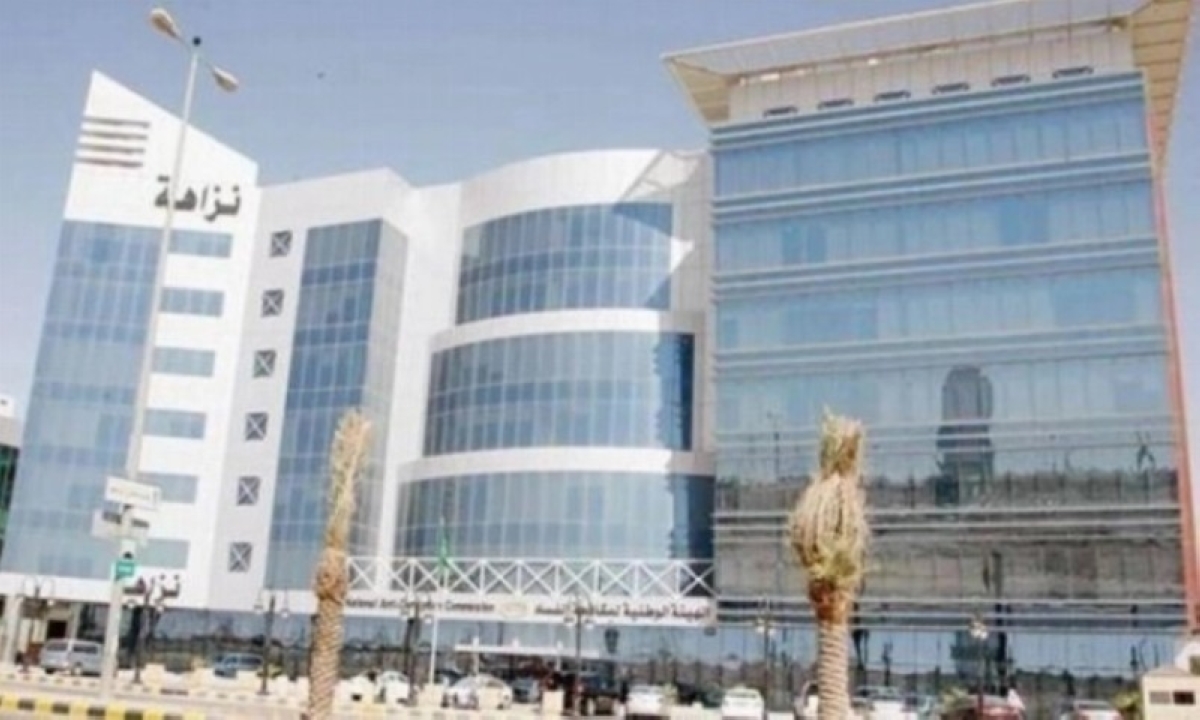

Saudi Arabia’s anti-corruption efforts continued at a brisk pace in December, resulting in the arrest of 116 government employees on suspicion of corruption. The arrests, carried out by the Oversight and Anti-Corruption Authority (Nazaha), signal a sustained commitment to tackling financial wrongdoing within the public sector. Some of those detained have since been released on bail pending further investigation.
The country-wide crackdown focused on several key government ministries, including the Ministry of Interior, Ministry of Municipalities and Housing, Ministry of Education, and Ministry of Health. Nazaha reported conducting 1440 inspection raids throughout the month, leading to investigations into 466 suspects accused of offenses like bribery and abuse of power, according to official statements released this week.
Continued Focus on Public Sector Corruption
This recent wave of arrests is part of a broader, ongoing initiative spearheaded by Crown Prince Mohammed bin Salman to enhance transparency and accountability within the Saudi government. The campaign against corruption began in earnest in 2017 with the detention of prominent princes and businessmen, demonstrating a willingness to investigate high-level officials. These efforts are a significant component of the Kingdom’s Vision 2030 plan, aimed at diversifying the economy and improving governance.
The Oversight and Anti-Corruption Authority (Nazaha) was established in 2011 with the mandate to combat corruption through preventative measures, investigation, and prosecution. It operates independently and has the authority to investigate anyone suspected of engaging in corrupt practices, regardless of their position. Nazaha’s increasing activity reflects both expanded resources and a heightened political priority given to addressing corruption.
Details of the December Raids
While Nazaha does not typically disclose the specific details of individual cases during the investigative phase, the scope of the December raids suggests a focus on systemic issues. The involvement of employees across multiple ministries indicates that the problem isn’t isolated to a single department. The agency emphasized that the investigations centered on allegations of bribery and the misuse of public office for personal gain.
The sheer number of inspection raids – 1440 in a single month – demonstrates the intensive nature of this anti-corruption drive. This level of scrutiny is intended to deter future misconduct and create a culture of compliance within the government. Additionally, the investigations are likely examining processes and controls to identify vulnerabilities that allow for corrupt activities.
The release of some suspects on bail suggests varying degrees of evidence and the need for further investigation before formal charges can be filed. This is a standard procedure in many legal systems, ensuring due process for those accused. The Ministry of Justice will ultimately determine the charges and oversee the trials based on the evidence presented by Nazaha.
The number of suspects investigated—466—in comparison to the 116 arrested, points towards a thorough vetting process. Not all individuals subject to investigation will necessarily face criminal charges. Accurate reporting on financial crimes is a growing area of focus for governments globally, with Saudi Arabia consistently taking a firm stance against such issues.
Implications for Governance and Transparency
These ongoing anti-corruption efforts are intended to bolster public trust in government institutions. Increased transparency and accountability can lead to more efficient allocation of resources and improved service delivery. This, in turn, contributes to a more stable and predictable investment climate, attracting foreign capital in line with the Vision 2030 objectives.
However, some observers note the potential for these investigations to be used for political purposes. Maintaining the independence and impartiality of Nazaha is crucial to ensuring the credibility of the anti-corruption campaign. The Kingdom’s legal system, while evolving, remains subject to scrutiny regarding due process and fair trials. Relatedly, recent legal reforms aim to codify anti-bribery procedures and strengthen penalties for corrupt officials.
The inclusion of employees from essential service ministries – health, education, and housing – suggests a concern about the quality of services provided to citizens. Corruption in these sectors can have a particularly damaging impact on the public, leading to substandard healthcare, inadequate education, and limited access to affordable housing. Tackling financial misconduct in these areas remains a priority.
Nazaha actively encourages public participation in its anti-corruption efforts, providing multiple channels for reporting suspected wrongdoing. The toll-free number 980 and the authority’s website are available for citizens to submit information anonymously or with their identifying details. Public awareness campaigns also aim to educate people about the dangers of corruption and how to report it.
Looking ahead, Nazaha is expected to continue its investigations and refer cases to the judiciary for prosecution. The timeline for these legal proceedings remains uncertain and will depend on the complexity of the cases and the availability of evidence. It is anticipated that further announcements regarding arrests and convictions will be made in the coming months, providing a clearer picture of the extent of the fraud uncovered. Observers will be watching to see whether the scope of investigations expands to include more senior officials or private sector entities.