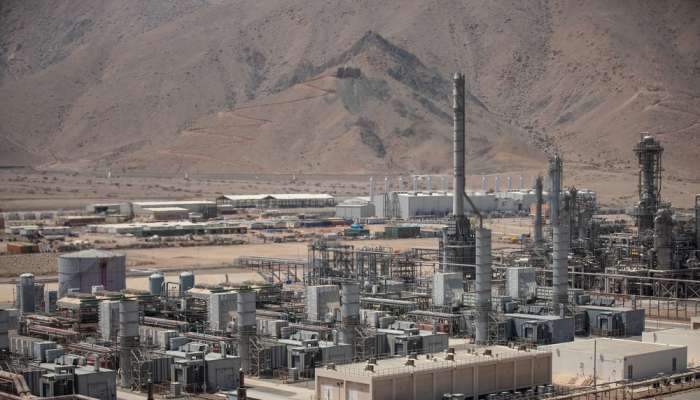

Oman’s natural gas sector is experiencing a period of nuanced growth, with overall production increasing despite shifts in consumption patterns across key industries. Recent data released by the National Centre for Statistics and Information (NCSI) reveals a 0.8 percent rise in natural gas production in the Sultanate, reaching 47.5026 billion cubic metres by the end of October 2025, compared to 47.1055 billion cubic metres during the same period in 2024. This growth story is complex, with increases in associated gas offsetting a slight decline in non-associated gas, and varying consumption trends across power generation, industry, and oil fields. Understanding these dynamics is crucial for assessing Oman’s energy future and its role in regional energy markets.
Oman’s Natural Gas Production: A Closer Look
The overall increase in natural gas production is driven primarily by a significant surge in associated gas. Associated gas, a byproduct of oil extraction, saw a robust 10.9 percent increase, reaching 10.5995 billion cubic metres by the end of October 2025. This suggests increased oil production activity within the Sultanate, contributing to a larger supply of this valuable resource.
However, the picture isn’t entirely positive. Non-associated gas production, which includes gas specifically extracted for its own value alongside imported volumes, experienced a 1.7 percent decline, totaling 36.9031 billion cubic metres. This decrease could be attributed to various factors, including maturing gas fields or adjustments in import strategies. The reliance on gas imports remains a factor, and fluctuations in global energy prices can impact this aspect of Oman’s supply.
Associated vs. Non-Associated Gas: Key Differences
Associated gas is intrinsically linked to oil production, meaning its availability fluctuates with oil output. Non-associated gas, on the other hand, offers a more stable and dedicated supply. Oman’s strategy of maximizing associated gas recovery is a key component of its energy policy, aiming to utilize a resource that would otherwise be flared.
Shifting Consumption Patterns in Oman
While production saw a modest increase, consumption patterns reveal a more complex story. Industrial gas consumption decreased by 3.5 percent, reaching 23.2352 billion cubic metres. This decline could be linked to economic factors, efficiency improvements within industries, or a shift towards alternative energy sources.
Conversely, gas usage in power generation plants rose by 1.6 percent, reaching 13.1255 billion cubic metres. This increase likely reflects growing electricity demand, particularly during peak seasons, and the continued reliance on natural gas as a primary fuel source for power generation. Oman’s commitment to diversifying its energy mix, including investments in renewable energy, will be crucial in managing future demand.
Growth in Oil Field and Industrial Area Consumption
Interestingly, gas consumption within oil fields (including industrial areas, Oman Mining Company, and Oman Cement) experienced a substantial 10.3 percent growth, reaching 10.9074 billion cubic metres. This suggests increased energy intensity within these operations, potentially due to expanded production or the implementation of energy-intensive technologies.
Furthermore, gas used in industrial areas, including facilities like Sultan Qaboos University and the Ministry of Defence, recorded a significant 12.6 percent increase, reaching 234.5 million cubic metres. This growth highlights the increasing energy needs of Oman’s public sector and key institutions. The overall energy demand in Oman is clearly on the rise.
Implications for Oman’s Energy Future
The data paints a picture of a dynamic energy landscape in Oman. While overall natural gas production is growing, the composition of that production is shifting, with associated gas playing an increasingly important role. Consumption patterns are also evolving, with declines in industrial usage offset by increases in power generation and within the oil and gas sector itself.
These trends have several implications for Oman’s energy future. Continued investment in oil exploration and production will be crucial for maximizing associated gas recovery. Simultaneously, efforts to enhance the efficiency of gas usage across all sectors, particularly in industry, are essential. Diversifying the energy mix through renewable energy sources will also be vital for reducing reliance on natural gas and ensuring long-term energy security. The development of Oman’s energy sector is a key pillar of the nation’s economic diversification strategy.
In conclusion, Oman’s natural gas sector is navigating a period of change. The 0.8 percent increase in overall production is a positive sign, but the underlying trends require careful monitoring and strategic planning. By optimizing production, managing consumption, and embracing diversification, Oman can ensure a sustainable and secure energy future for its citizens and industries. Further analysis of these trends, and ongoing investment in the sector, will be critical for continued growth and stability.