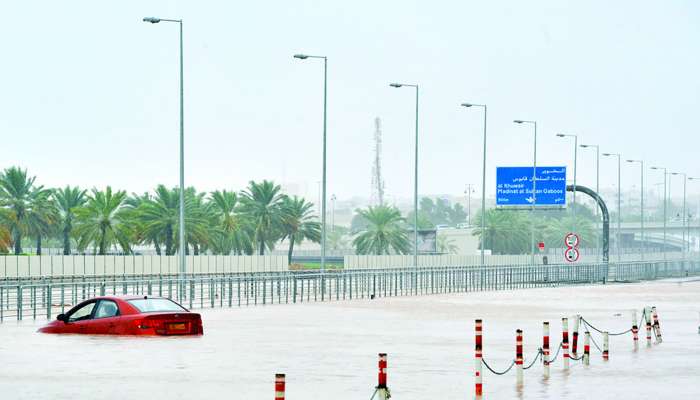

Oman has significantly strengthened its motor vehicle insurance protections for drivers, responding to the increasing impact of natural disasters and a desire to modernize the insurance experience. Recent amendments approved by the Financial Services Authority (FSA) now mandate automatic coverage for material damages to insured vehicles resulting from events like floods, cyclones, and severe weather – a benefit extended even to compulsory third-party insurance policies. This move represents a substantial upgrade for Omani vehicle owners, promising greater peace of mind and a more streamlined claims process.
Enhanced Vehicle Insurance Coverage in Oman: A Game Changer
For years, Omani drivers have faced uncertainty regarding coverage for damage caused by natural events. Often, such damage wasn’t automatically included and required specific add-ons to policies. The FSA’s decision eliminates this ambiguity, ensuring all motor vehicle insurance holders are protected against the financial burden of repairs following natural disasters. This is particularly crucial given Oman’s geographical location and susceptibility to extreme weather patterns.
This isn’t a standalone change, however. The updated Unified Motor Vehicle Insurance Policy is a comprehensive overhaul, designed to benefit both policyholders and insurance providers. The FSA has clearly stated its goal is to create a more efficient and customer-centric insurance market.
Addressing a Growing Need for Natural Disaster Protection
Oman has experienced a rise in the frequency and intensity of adverse weather conditions in recent years. Cyclones and heavy rainfall have caused widespread flooding, resulting in significant damage to property, including vehicles. Previously, the financial responsibility for these repairs often fell solely on the vehicle owner, even if they had comprehensive insurance.
The new regulations acknowledge this increasing risk and proactively address it. By mandating coverage, the FSA is ensuring that the cost of recovery isn’t disproportionately borne by individuals. The Authority has also worked closely with insurance and reinsurance companies to establish fair and sustainable pricing for this expanded coverage, taking into account the expected level of risk.
Faster Claims & Increased Policyholder Control
Beyond natural disaster coverage, the amendments introduce several key improvements aimed at simplifying and accelerating the claims process. These changes are designed to reduce friction and improve the overall customer experience.
Streamlined Claims Settlement Timeframes
One of the most significant updates involves clearly defined timeframes for settling insurance claims. While specific details are still forthcoming, the FSA has indicated a commitment to faster processing times. This is a welcome change for policyholders who often experience delays and frustration when filing claims.
The introduction of these timeframes will hold insurance companies accountable and encourage them to prioritize efficiency. This focus on speed is a direct response to feedback from the public and a desire to improve the reputation of the car insurance industry.
Compensation Options & Expanded Spare Parts Coverage
Policyholders now have more control over how their claims are handled. The amended policy allows individuals to receive cash compensation equivalent to the value of the damage, rather than being required to use the insurance company’s preferred repair shops. This flexibility is a major benefit, allowing owners to choose where and how their vehicle is repaired.
Furthermore, the list of consumable spare parts covered without depreciation has been expanded to 37. This means that more components will be replaced with new parts following an accident, reducing out-of-pocket expenses for the policyholder. This expansion of covered parts demonstrates a commitment to fair and comprehensive auto insurance benefits.
Implementation and Future Outlook
Insurance companies in Oman have been given a 30-day window from the date of the decision’s publication to implement these new amendments. This timeframe allows them to adjust their systems, train staff, and ensure a smooth transition. The FSA is actively monitoring the implementation process to address any challenges that may arise.
Additionally, the Authority plans to issue further controls regarding compensation for delays in vehicle repairs. This will provide an additional layer of protection for policyholders and incentivize insurance companies to adhere to the established timeframes.
According to Abdullah Salim Al Salmi, Chief Executive Officer of the Financial Services Authority, these amendments are part of a continuous effort to refine the regulatory framework governing the insurance sector. He emphasized the FSA’s dedication to enhancing the efficiency of the motor insurance market and delivering high-quality services that meet the evolving needs of the Omani public.
These changes represent a positive step forward for Oman’s insurance landscape. By proactively addressing the risks posed by natural disasters, streamlining the claims process, and empowering policyholders, the FSA is fostering a more robust and customer-friendly insurance market. Drivers are encouraged to review their policies with their insurance providers to understand the full extent of the new benefits and ensure they are adequately protected.