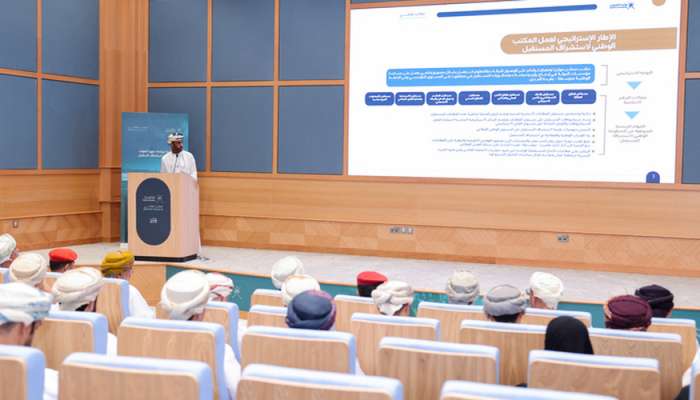

Oman is proactively positioning itself for the future, recognizing the critical need to anticipate and adapt to rapidly changing global dynamics. A recent national workshop, “Aligning National Efforts in the Field of Future Foresight,” organized by the Ministry of Economy’s National Foresight Office, marks a significant step in this direction. This initiative underscores the Sultanate’s commitment to building a more resilient and competitive economy through strategic anticipation and informed policy making.
Oman’s Push for National Future Foresight
The workshop, held in Muscat, brought together representatives from government, private sector, and academic institutions with the core aim of constructing a unified framework for future foresight activities across Oman. Currently, various entities are engaged in analyzing potential future trends, but these efforts lack cohesive coordination. The Ministry of Economy, through the National Foresight Office, is spearheading a move to change this, aiming to create a synergistic approach to understanding and preparing for what lies ahead. This streamlining is intended to move Oman beyond reactive problem-solving to proactive opportunity capture.
Identifying and Inventorying Existing Initiatives
A key component of the workshop involved a comprehensive inventory of existing foresight initiatives within Oman. This mapping exercise identified projects and systems already in place, highlighting overlaps and gaps in knowledge and capabilities. By understanding what work has already been done, the National Foresight Office can avoid duplication of efforts and build upon existing strengths.
Enhancing Institutional Coordination
The workshop wasn’t simply about cataloging efforts; it was about fostering stronger working relationships between organizations. The goal is to activate and improve institutional coordination, ensuring that insights gained from different sectors are shared and integrated into a broader national perspective. This collaborative spirit is seen as vital for developing effective and comprehensive strategies.
The Importance of Foresight for Oman’s Economy
Dr. Said Mohammed Al Saqri, the Minister of Economy, emphasized the pivotal role of future foresight in enhancing Oman’s economic competitiveness. In his opening statement, he highlighted the necessity of preparing for the accelerating pace of global transformations, ranging from technological advancements and demographic shifts to economic restructuring.
He articulated the Ministry’s vision to establish a unified national system capable of not merely absorbing these shifts but actively transforming them into opportunities for sustainable growth and diversification – key objectives in line with Oman’s broader economic strategy. This focus on economic diversification is geared toward reducing reliance on oil and developing new sectors.
Building a National Knowledge Base & Capacity
Mubarak Khamis Al Hamdani, Director of the National Foresight Office, underscored the critical need for a shared national knowledge base. He explained that this base would serve as a central repository of information and insights, available to all stakeholders.
The workshop focused on building a comprehensive national registry of all foresight-related activities. Furthermore, it addressed the creation of practical coordination mechanisms allowing constant communication and collaboration between government entities, the private sector, and academic institutions. Investing in skills development, particularly in areas like future analysis and forecasting, was also identified as a priority for maintaining Oman’s competitiveness.
Focus on Key Priority Sectors
Discussion sessions centered on identifying the most prominent future priority sectors for Oman. These included areas deeply affected by technological disruption, such as renewable energy, logistics, and digital technologies. Demographic changes, like a growing youth population and an aging workforce, and their impact on the social and economic landscape were also key talking points. The need for proactive planning in these areas was stressed repeatedly.
Learning from National Experiences
The workshop provided a platform for showcasing successful national foresight initiatives already underway in Oman. The Academy for Strategic and Defence Studies, affiliated with the Ministry of Defence, presented its advanced model for employing strategic analysis tools to bolster national security and support decision-making.
Additionally, the Oman Vision 2040 Implementation Follow-Up Unit shared its experience in linking national indicators to anticipated future trends. Their methodology focuses on developing monitoring and analysis frameworks that enable efficient risk assessment and proactive opportunity identification with significant economic and social repercussions. These examples demonstrated the tangible benefits of strategic foresight when embedded in national planning. Strategic planning is vital for Oman’s long-term success.
Practical Outcomes and Next Steps
The workshop concluded with a clear set of actionable outcomes. A comprehensive report documenting existing foresight initiatives will be compiled and submitted to key decision-makers. This report will be accompanied by recommendations regarding the most critical global transformations expected to impact Oman.
Moreover, the groundwork for establishing joint coordination mechanisms amongst relevant entities has been laid, promising enhanced readiness for managing future risks and capitalizing on emerging opportunities. Proposals for developing national capacity-building programs – crucial for strengthening expertise in future foresight and analysis – will also be presented. Continued investment in horizon scanning technologies and methodologies will enable Oman to stay ahead of the curve.
In conclusion, the “Aligning National Efforts in the Field of Future Foresight” workshop represents a pivotal moment in Oman’s approach to long-term planning and economic development. By prioritizing collaboration, knowledge sharing, and capacity building, the Sultanate is actively shaping a future that is not simply reacted to, but strategically anticipated and consciously built. The continued success of these efforts will be vital for Oman to achieve its ambitious Vision 2040 goals and maintain its position as a dynamic and resilient nation in the face of global change.