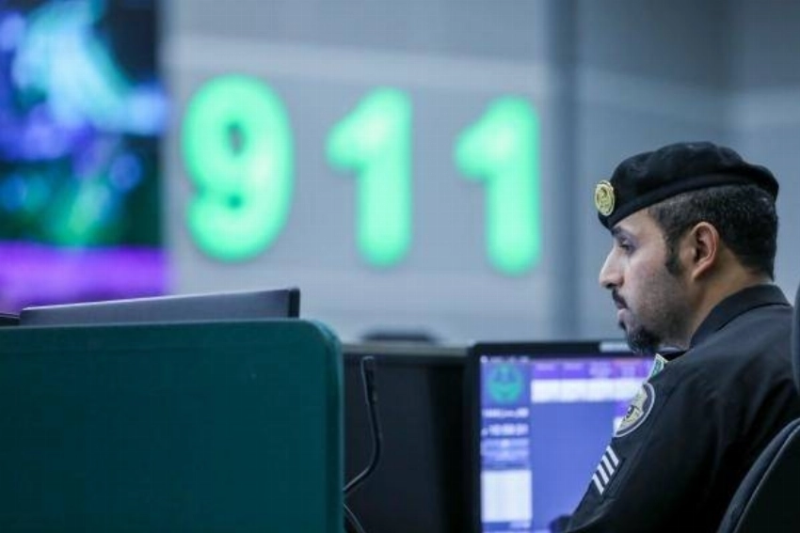

Saudi Arabia’s unified emergency number, 911, received over 2.7 million calls in December 2025 across four key regions, according to data released by the National Center for Security Operations (NCSO). The high volume of 911 calls underscores the growing reliance on the emergency service as it expands its coverage and capabilities within the Kingdom. The majority of these calls originated in the Riyadh region, demonstrating its population density and associated emergency needs.
The 2,746,207 calls were distributed among the regions of Makkah (823,126), Madinah (225,808), Riyadh (1,180,560), and the Eastern Province (516,713). The NCSO, operating under the Ministry of Interior, serves as the central point for receiving and dispatching emergency responses nationwide, coordinating with various security and service agencies to ensure timely assistance. This substantial call count highlights the continued implementation and accessibility of the 911 system.
Understanding the Rise in 911 Call Volume
The implementation of the 911 system across Saudi Arabia represents a significant modernization of the country’s emergency response infrastructure. Prior to its phased rollout, residents relied on a patchwork of individual emergency numbers for different services, such as police, fire, and medical assistance. This often led to confusion and delays in critical situations. The unified number aims to streamline the process and improve response times.
The initial launch of 911 services began in Riyadh in 2020, followed by expansions into the Eastern Province, Asir, and other regions. The Ministry of Interior stated that the goal is to provide comprehensive emergency services to all citizens and residents across the Kingdom. Expanding these services requires substantial investment in technology, infrastructure, and workforce training.
Factors Contributing to High Call Numbers
Several factors likely contribute to the high number of emergency calls. The substantial population growth in major cities like Riyadh and Makkah plays a key role, according to demographic reports from the General Authority for Statistics. Additionally, increased awareness campaigns promoting the 911 number itself are encouraging more people to utilize the service.
However, authorities have also noted a concerning trend of non-emergency calls, sometimes referred to as “misuse” of the system. These calls tie up resources needed for genuine emergencies, potentially impacting response times. Efforts are underway to educate the public on appropriate 911 usage, focusing on life-threatening situations and critical incidents.
The Role of the National Center for Security Operations
The NCSO is more than just a call center; it is a sophisticated operation that utilizes advanced technology to monitor and analyze the security landscape across Saudi Arabia. This includes real-time surveillance, data integration from various sources, and predictive analytics to anticipate potential emergencies. The center’s primary objective is to ensure public safety and security.
The coordinating role of the NCSO is essential, given the multitude of security and service agencies operating within the country. This collaboration ensures a seamless transfer of information and resources, allowing for a unified and effective response to emergencies. This coordination is also vital during large-scale events, such as the Hajj pilgrimage, which place significant demands on emergency services in the Makkah region.
Furthermore, the NCSO works to improve the efficiency of response teams through ongoing analysis of call data and performance metrics. This data-driven approach helps identify areas for improvement in training, resource allocation, and operational procedures. The use of Geographic Information Systems (GIS) is believed to be integral to this process, enabling rapid visualization of incident locations and optimized routing for emergency vehicles.
The elevated call volumes also influence the need for continual upgrades to the 911 infrastructure. This includes ensuring sufficient capacity to handle peak periods, improving the reliability of the system, and implementing new features to enhance its effectiveness, such as automatic location identification and multilingual support.
Implications for Emergency Services & Future Outlook
The consistently high numbers of calls to 911 present both challenges and opportunities for Saudi Arabia’s emergency services. While it demonstrates the public’s trust in the system, it also necessitates ongoing investment in personnel, technology, and training to maintain optimal response capabilities. The Ministry of Health, for example, is likely to assess the impact of 911 on ambulance dispatch times and hospital preparedness.
The data from December 2025 will be crucial for evaluating the effectiveness of the 911 system and identifying areas where further improvements are needed. The NCSO is expected to publish a comprehensive report in the coming months, detailing the types of emergencies responded to, average response times, and key performance indicators. Focus will likely be placed on reducing the number of non-emergency calls through targeted public awareness campaigns.
Looking ahead, the NCSO plans to integrate 911 services with smart city initiatives to create a more proactive and responsive emergency management system. This includes leveraging data from sensors and other sources to detect potential hazards and automatically dispatch assistance. The ongoing expansion of emergency assistance in Saudi Arabia, and functionality upgrades, remain a primary focus for national security officials.
The next key milestone will be the assessment of the 911 system’s performance during the 2026 Hajj season. This represents the most significant annual test of the country’s emergency response capabilities, and the learnings from this event will undoubtedly shape future developments and resource allocation. Ongoing monitoring of call data and public feedback will be essential to ensure the 911 system continues to meet the evolving needs of the Saudi population.