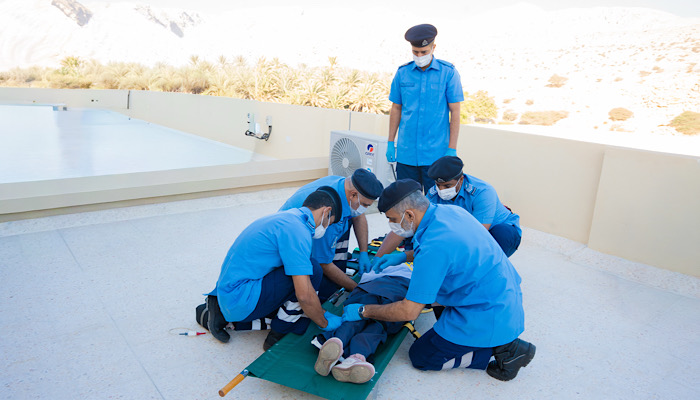

The vital importance of preparedness for natural disasters was underscored this week as the fourth edition of the National Campaign for Awareness of Weather Hazards and Tsunami Waves concluded in Qurayyat, Muscat Governorate. The three-day initiative, running from December 9th, focused on equipping communities with the knowledge and skills to effectively respond to potential threats, particularly concerning tsunami preparedness and severe weather events. With Oman’s geographic location making it vulnerable to cyclones and tsunamis, this campaign represents a crucial step in safeguarding lives and property.
Strengthening Oman’s Tsunami Preparedness: A Multi-Agency Effort
The campaign, held under the patronage of His Excellency Sayyid Saud bin Hilal Al-Busaidi, Governor of Muscat Governorate, and carrying the slogan “Your Awareness is Your Safety,” brought together key governmental bodies to deliver a comprehensive program of education and practical drills. The Civil Aviation Authority, through the National Multi-Hazard Early Warning Center, spearheaded the effort, collaborating with the National Emergency Management Center, the Ministry of Information, the Civil Defense and Ambulance Authority, and the Ministry of Education. This coordinated approach highlights Oman’s commitment to a robust national disaster management system.
Key Activities and Demonstrations
The final day in Qurayyat featured a partial tsunami evacuation drill at Al-Munjezāt Primary Education School. This drill wasn’t just a formality; it was a vital exercise designed to assess and improve the responsiveness of students, teachers, and administrative staff in a real-world emergency. Simultaneously, Qurayyat Sports Club hosted an educational program featuring visual presentations detailing Oman’s experiences with Cyclone Shaheen, the procedures for tsunami evacuation, and the overall national response to climatic challenges.
Throughout the three days, a series of specialized presentations were delivered by leading experts. Major Yahya bin Mohammed Al-Balushi from the National Emergency Management Center provided a detailed overview of the national emergency management framework. Hilal bin Salim Al-Hajri, Head of Forecasting and Early Warning Systems at the Civil Aviation Authority, explained the operational procedures of the National Multi-Hazard Early Warning Center, emphasizing the importance of timely and accurate information. Ahmed bin Abdullah Al-Hinaie, a meteorological observer, discussed the role of weather monitoring and the “weather friends” initiative in fostering public awareness.
Learning from Past Events: The Cyclone Shaheen Experience
A recurring theme throughout the campaign was the lessons learned from Cyclone Shaheen, a powerful storm that impacted Oman in 2021. Presentations and discussions consistently referenced the response to Shaheen, analyzing both successes and areas for improvement. This focus on practical experience is crucial for refining disaster risk reduction strategies and ensuring future responses are even more effective. The campaign aimed to translate the knowledge gained from Shaheen into actionable steps for communities.
The presentations detailing the Shaheen response weren’t simply about the immediate aftermath. They also covered the pre-emptive measures taken, the challenges faced in coordinating relief efforts, and the long-term recovery process. This holistic approach provided attendees with a comprehensive understanding of the entire disaster management cycle.
Enhancing Community Resilience Through Education and Drills
The campaign wasn’t limited to Muscat Governorate. It represents the fourth stop in a nationwide initiative targeting coastal regions first, before expanding to encompass all of Oman’s governorates. This phased approach allows for tailored messaging and drills based on the specific vulnerabilities of each area. The focus on coastal communities is particularly important given their heightened risk of tsunamis.
On the second day, a full evacuation drill was conducted at Abu Ayyub Al-Hadhrami School in Al-Seeb, providing a real-time test of the school’s emergency plan. Alongside the drill, lectures and panel sessions at the Office of the Wali of Bausher further reinforced the importance of emergency response planning and community coordination. The dialogue sessions, bringing together specialists and local residents, were particularly valuable, allowing for a two-way exchange of information and ideas.
The Importance of Early Warning Systems
A central tenet of the campaign was promoting understanding of the National Multi-Hazard Early Warning Center and its crucial role in protecting lives. Hilal bin Salim Al-Hajri’s presentation detailed how the center utilizes advanced technology and monitoring systems to detect and forecast potential hazards, providing timely warnings to the public. The campaign emphasized that effective early warning systems are only valuable if communities understand the warnings and know how to respond appropriately.
The campaign’s success hinges on fostering a culture of safety and prevention throughout Oman. By empowering individuals with knowledge and providing opportunities to practice emergency procedures, the initiative aims to build a more resilient nation capable of mitigating the impact of future weather hazards and tsunamis. Continued investment in early warning systems, coupled with ongoing public awareness campaigns, will be essential to ensuring the long-term safety and well-being of Oman’s citizens.
The National Campaign for Awareness of Weather Hazards and Tsunami Waves is a vital investment in Oman’s future. To learn more about disaster preparedness and the early warning systems in place, visit the Civil Aviation Authority’s website or the National Emergency Management Center’s resources. Staying informed and prepared is the best defense against the unpredictable forces of nature.