





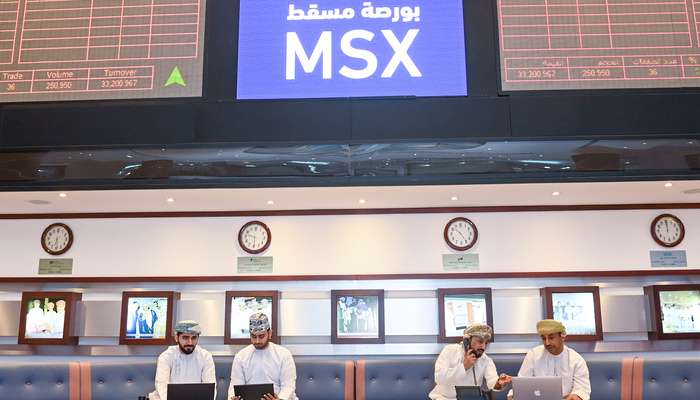

The Muscat Stock Exchange (MSX) witnessed a week of mixed performance, propelled upwards by optimism surrounding the recently signed Comprehensive Economic Partnership Agreement (CEPA) with India. While industrial companies largely benefited from the expected increase in trade and reduced barriers, profit-taking and pressures within the financial sector created a more nuanced picture for the overall market. This week’s activity highlights the potential for growth in Oman, particularly within its industrial base, but also underscores the importance of diverse market factors influencing investor sentiment.
CEPA with India Fuels Industrial Gains on the MSX
The landmark CEPA between Oman and India is the dominant narrative driving positive sentiment in the Omani market. The agreement is projected to significantly boost trade between the two nations, opening substantial export opportunities for Omani industrial companies. This anticipation of increased revenue and market access directly translated into gains for key players within the sector.
The industrial sector index saw a notable rise, exceeding 7,700 points with a gain of 76 points, closing the week at 7,772 points. Gains were particularly prominent in companies like Al Safa Foods, Voltamp Energy, and Oman Cables Industry. This reflects investor confidence in their ability to capitalize on the newly accessible Indian market.
Opportunities for Omani Exporters
The CEPA agreement isn’t simply about removing tariffs. It streamlines regulations, facilitates investment, and creates a more predictable business environment. This is especially crucial for Omani companies looking to expand internationally, reducing administrative hurdles and lowering operational costs. The anticipated influx of investment is also a positive sign for the overall Omani economy.
Market Volatility: Profit-Taking and Financial Sector Dip
Despite the positive influence of the CEPA, the week wasn’t without its challenges. A wave of profit-taking by investors tempered the initial surge, leading to declines in the share prices of several leading companies. Ultimately, 39 securities saw their prices fall, slightly outweighing the 36 that rose, with 20 remaining stable.
This profit-taking impacted the main index, causing it to decrease by 8 points to close at 5,941. While this represents a slight dip, it’s important to note that the index remains at its highest level in nine years, indicating a sustained period of growth. The decline serves as a reminder of the inherent volatility within stock markets.
Financial Sector Under Pressure
The most significant losses were observed within the financial sector. The sector index fell by 70 points, losing support as banks and investment companies experienced downward pressure. Notable declines were witnessed in Bank Muscat, Bank Sohar International, Oman Arab Bank, Bank Nizwa, and Ominvest. This suggests investors may be reassessing the outlook for the banking sector, potentially due to broader economic concerns or changing interest rate expectations. This weakness in the financial sector actively contributed to the overall MSX performance.
Trading Activity and Market Capitalization
Trading activity on the Muscat Stock Exchange increased during the week, driven by heightened participation from local investment funds, Omani companies, and individual investors. The total trading value reached OMR210.8 million, a 5.7% increase from the previous week’s OMR199.4 million. This indicates a growing interest in Omani equities.
However, the number of transactions decreased, falling from over 25,000 to 19,300. This suggests investors were focusing on larger trades, particularly those involving high-capitalization stocks. Bank Muscat, Bank Sohar, and OQ Basic Industries accounted for approximately 58% of the total trading value, demonstrating their continued importance to the market.
The overall market capitalization of listed securities experienced a slight decrease, falling by OMR55.9 million to OMR32.14 billion by the week’s end. This is a modest decline relative to the overall value of the exchange.
Majan Glass Acquisition and Top Performers
The week also saw specific company news impact trading. Majan Glass Company, listed on the Follow-Up Market, experienced a significant share price increase – rising from 13 baisa to 20 baisa, an 81.8% jump. This surge was fueled by the announcement of an acquisition offer from Al-Zumurrud National Company at 4 baisa per share. The offer, valid from January 4th to January 25th, requires acceptance from shareholders owning at least 75% of the company’s shares. It’s important to note, however, that Majan Glass currently holds accumulated losses of OMR7.3 million.
Beyond Majan Glass, Raysut Cement, Oman United Insurance, Gulf Mushroom Production, Dhofar Food and Investment, and National Oman Engineering and Investment were among the top-performing stocks, with gains ranging from 5.7% to 7.5%. Conversely, financial services stock recorded the largest drop, declining 13.7%, followed by Majan College (-11.1%) and building materials (-7.5%).
In conclusion, the Muscat Stock Exchange demonstrated resilience this week, fueled by the anticipated benefits of the CEPA with India. While the industrial sector capitalized on the optimistic outlook, profit-taking and a weaker financial sector tempered overall gains. Trading volume increased, signifying continued investor interest, but a decrease in the number of transactions suggests a focus on larger, more established companies. Ongoing monitoring of market trends and company-specific developments will be crucial for understanding the evolving dynamics of the MSX in the coming weeks. Investors considering opportunities on the Muscat Stock Exchange should conduct thorough research and consider their individual risk tolerance.