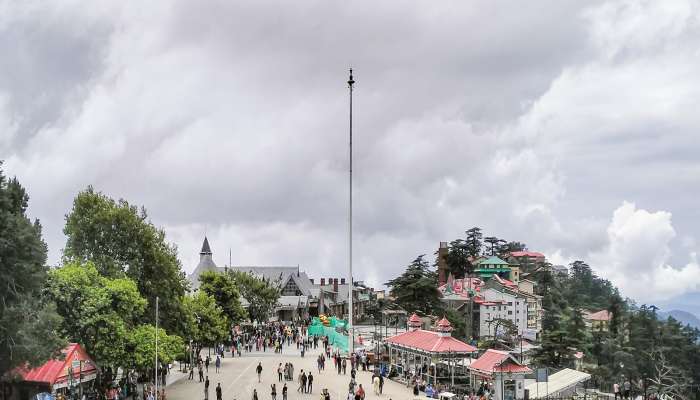

India’s tourism sector, a vital source of employment for millions, is facing a critical juncture. Despite witnessing a surge in visitor numbers, translating this into substantial economic gains remains a challenge. A recent report by Crisil Intelligence highlights significant weaknesses in the supply-side infrastructure and capabilities, revealing why Indian tourism is underperforming its potential. The study emphasizes the need for concerted efforts to bolster MSMEs, improve infrastructure, and enhance service quality to truly unlock the sector’s economic power.
The Paradox of High Volume, Low Value in Indian Tourism
In 2024, tourism accounted for over 13% of India’s workforce, attracting a remarkable 2.96 billion tourist visits. This scale is undeniable. However, the economic reality paints a different picture. The sector contributes only around 5% to the nation’s Gross Domestic Product (GDP), significantly lower than the global average of 10%. This discrepancy illustrates a key problem: a visitor influx isn’t automatically equivalent to economic prosperity.
The report clearly articulates the core issue – a gap between the number of arrivals and the actual value generated. This isn’t an indictment of the desire to visit India, which boasts incredible cultural heritage and diverse landscapes, but rather a reflection of systemic limitations preventing a full realization of that demand.
The Role of MSMEs in Tourism’s Growth
Micro, Small and Medium Enterprises (MSMEs) form the backbone of India’s tourism industry. They are heavily involved in crucial areas like accommodation (hotels, guesthouses), transportation, guiding services, food and beverage offerings, handicrafts, and the creation of unique local experiences. This decentralized structure has the benefit of distributing income widely across various regions, particularly benefitting towns, villages, and historically significant areas.
However, the same structure presents a challenge. These MSMEs often lack the resources and expertise to climb the value chain. Limited access to finances, technology, and upskilling opportunities restricts their ability to improve their offerings, increase margins, and provide consistent, year-round employment. Strengthening these businesses is therefore paramount to improving the overall tourism industry in India.
Challenges Facing Inbound and Outbound Travel
The report further delves into the imbalances within the tourism sector. Notably, inbound tourism remains significantly limited, with international visitors comprising less than 1% of total arrivals. This suggests a considerable untapped market. A large proportion of current inbound travelers are either diaspora returning home or on short-stay visits.
The higher-spending leisure tourist – a key demographic for driving economic value – from developed nations is significantly underrepresented. Interestingly, expenditure on outbound travel by Indians is rising sharply, demonstrating a desire for premium tourism experiences that are not currently readily available within the country. This signals a clear opportunity to cater to domestic demand for higher-quality experiences, thereby reducing foreign exchange outflow.
Addressing Safety, Hygiene, and Destination Management
Improving the overall visitor experience is critical to attracting a more discerning and high-spending clientele. The Crisil Intelligence report identifies key areas for focus: enhancing safety and security for tourists, maintaining high hygiene standards, and implementing effective destination management practices.
Furthermore, improving service standards across the board – from accommodation and transportation to guiding and hospitality – is vital. Investing in these areas will not only attract more tourists but also foster a more positive and lasting impression, encouraging repeat visits and positive word-of-mouth marketing. These improvements would be particularly beneficial for women and youth, opening doors to more inclusive and stable employment opportunities.
Towards a High-Value Tourism Ecosystem
To transform India’s tourism sector into a robust economic engine, a coordinated and multi-faceted approach is essential. The report advocates for several supply-side interventions. These include:
- Circuit-based infrastructure upgrades: Concentrating development efforts on specific tourism circuits can create more compelling and cohesive experiences.
- Sustainability-led destination management: Preserving the natural and cultural heritage of tourism destinations is crucial for long-term viability.
- MSME Integration: Facilitating deeper integration of MSMEs into the tourism value chains.
- Targeted skilling initiatives: Equipping local workforces with the skills needed to deliver high-quality services.
- Improved access to finance: Providing financial support and guidance to tourism MSMEs.
- Formalisation pathways: Encouraging businesses to operate within the formal economy to access benefits and promote fair practices.
These strategic interventions will move the industry beyond simply attracting large numbers of tourists, fostering an environment where visitor spending is maximized, livelihoods are secured, and India’s cultural and natural treasures are sustained. Ultimately, bolstering the tourism infrastructure and empowering local businesses is key to ensuring India capitalizes on its vast tourism potential for years to come.
In conclusion, the Crisil Intelligence report provides a valuable roadmap for the future of Indian tourism. The key takeaway is the need to shift focus from merely increasing visitor numbers to enhancing the quality of the experience and empowering local MSMEs. By prioritizing these areas, India can unlock the sector’s full potential and transform it into a high-value engine for sustainable growth and inclusive livelihoods. It’s a call to action for policymakers, industry stakeholders, and investors to collaborate and build a more prosperous and resilient tourism future for India.