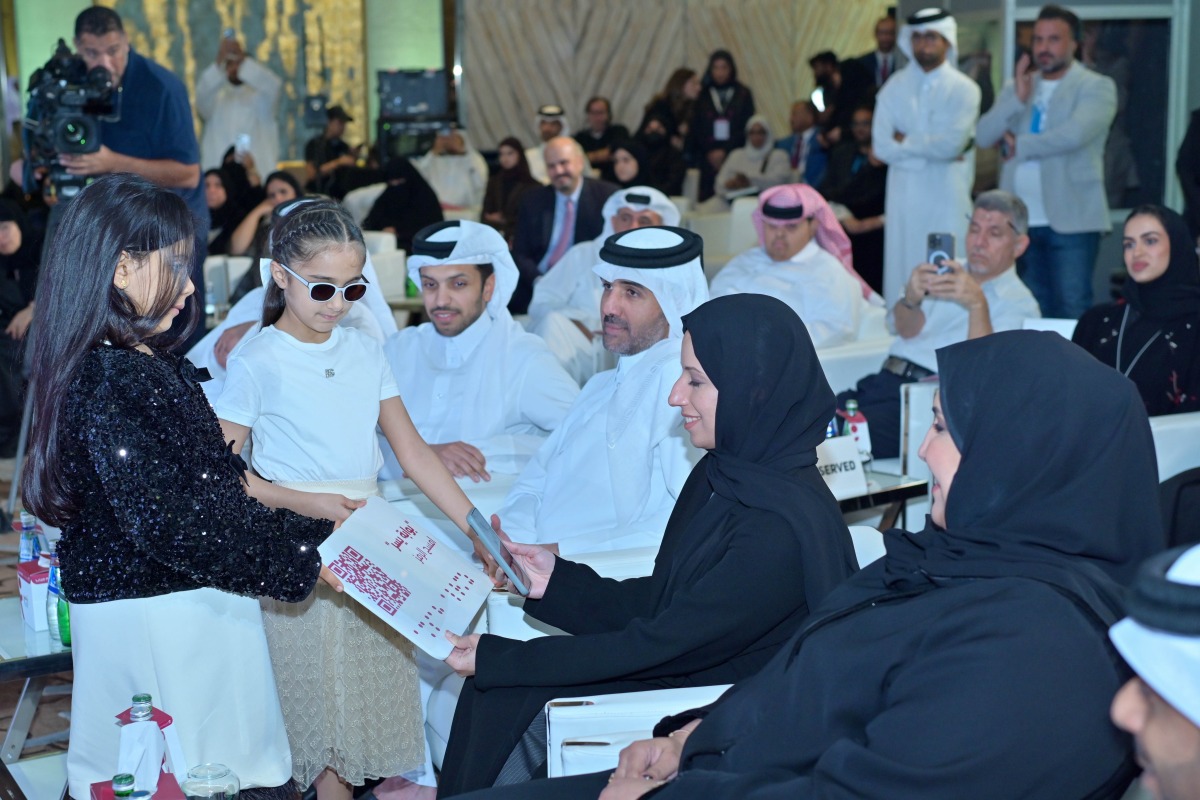

Doha, Qatar – The Ministry of Social Development and Family (MSDF) has launched a national digital platform designed to empower people with disabilities in Qatar by providing centralized access to critical information and services. The platform, inaugurated by Minister H.E. Buthaina bint Ali Al Jaber Al Nuaimi, aims to streamline support for individuals with disabilities, their families, caregivers, and the organizations that serve them. The launch took place in Doha and marks a significant step toward greater inclusivity within the country.
The new platform is intended to improve the accessibility and clarity of resources available to the disability community. It represents a key component of the MSDF’s broader strategic initiatives focused on enhancing social services and promoting equal opportunities for all citizens and residents. According to the ministry, the platform is built in alignment with Qatar’s law for the Rights of Persons with Disabilities.
Strengthening Support for People with Disabilities Through Technology
The development of this digital platform addresses a long-standing need for a unified and easily navigable system for accessing support related to disability services. Previously, information was often fragmented across various government agencies and non-profit organizations, creating barriers for those seeking assistance. The MSDF stated the platform is designed to overcome these obstacles by consolidating relevant resources in one location.
Minister Al Nuaimi emphasized that the platform goes beyond simply being a digital tool. She described it as a national model grounded in human rights, prioritizing justice, inclusivity, and equal opportunities. The ministry envisions the platform as a foundational element in modernizing Qatar’s social services system to better meet the evolving needs of its population.
Key Features and Accessibility
While specifics of the platform’s features have not been fully detailed, the MSDF indicated that it includes information on healthcare, education, employment, and social support programs. Emphasis was placed on ensuring the platform itself is accessible to individuals with a wide range of disabilities, incorporating features such as screen reader compatibility and adjustable font sizes.
Maha Al Mansouri, CEO of the Assistive Technology Center (Mada), highlighted the platform’s strategic importance in building an inclusive digital ecosystem. Mada is a prominent organization in Qatar dedicated to promoting the use of assistive technologies and empowering individuals with disabilities through digital inclusion. The collaboration suggests a commitment to integrating assistive technology into the platform’s design and functionalities.
The platform also aims to facilitate communication and collaboration among stakeholders in the disability sector. This includes enabling service providers to better coordinate care, allowing families to connect with support networks, and providing individuals with disabilities with opportunities to share their experiences and advocate for their rights.
The launch follows a broader national effort to enhance the rights and well-being of individuals with disabilities in Qatar. Recent initiatives have focused on improving accessibility in public spaces, promoting inclusive education, and creating more employment opportunities. This digital platform represents a continuation of this progress, leveraging technology to further dismantle barriers and foster a more inclusive society.
The MSDF has not yet announced a specific timeline for the platform’s full implementation or a detailed evaluation plan to assess its impact. However, the ministry indicated that ongoing feedback from users will be crucial in refining the platform and ensuring it effectively addresses the needs of the Qatari population with disabilities. Future developments may include expanding the range of available services and integrating the platform with other government digital initiatives.
Looking ahead, stakeholders will be watching to see how the platform’s accessibility is maintained and improved over time, and whether it leads to a measurable increase in the utilization of support resources for disabilities. The platform’s success will likely depend on its usability, the accuracy and completeness of its information, and the extent to which it is actively promoted and utilized by the target audience.