
The rising cost of living is a concern for many, and in Bahrain, a group of Members of Parliament (MPs) are taking direct action to address the financial strain on low-income earners. An urgent proposal has been submitted to reinstate the cost-of-living allowance for individuals whose payments were previously suspended, with a particular focus on supporting self-employed workers like driving instructors. This initiative highlights a growing awareness of the economic pressures faced by vulnerable segments of the population and a commitment to bolstering social welfare.
Urgent Call to Reinstate Cost-of-Living Allowance
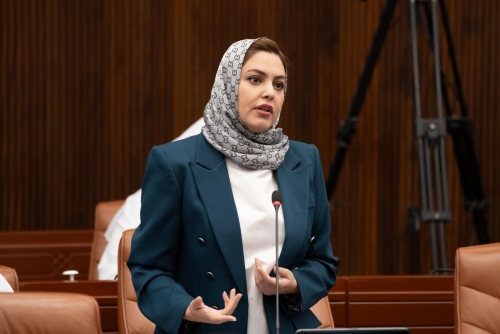
Five MPs – Zainab AbdulAmeer, Khalid Buanaq, Ahmed Al Salloom, Hisham Al Awadhi, and Eman Shuwaiter – have jointly signed the proposal, signaling a unified front in advocating for this critical financial support. The urgency of the request stems from the immediate hardship experienced by those who’ve lost access to the allowance, coupled with the unrelenting increase in the price of essential goods and services. The Parliament will now consider their request.
The MPs’ explanatory memorandum clearly articulates the core issue: the diminishing purchasing power of low-income individuals due to escalating living costs. Specifically, the proposal aims to revisit the decision to halt allowance payments to self-employed individuals, particularly those working as driving instructors – a profession heavily impacted by economic fluctuations.
Who is Affected by the Suspension?
The suspension of the allowance has created a ripple effect of financial insecurity for many. Driving instructors, and other professionals relying on self-employment, often experience unpredictable income streams. When combined with broader economic pressures, the loss of the cost-of-living allowance can significantly hamper their ability to meet basic needs like housing, food, and healthcare.
The memoradum details how this situation is not merely an inconvenience but a destabilizing force for these families. Without this supplemental income, daily expenses become a significant burden, widening the gap between earnings and essential outlays. This is especially troubling given the ongoing inflationary trends observed globally and within Bahrain.
The Rationale Behind the Proposal
The core argument presented by the MPs centers on the principles of social justice and economic stability. They believe maintaining this allowance is not simply a matter of financial assistance but a vital component of equitable support for vulnerable workers. The cost-of-living crisis disproportionately impacts those with lower incomes, and the reinstatement of this allowance would provide a much-needed buffer.
The proposal outlines several key objectives:
- Renewed Financial Support: Providing ongoing financial assistance to low-income earners to help alleviate the pressure of rising costs.
- Inclusion of Self-Employed Workers: Re-integrating self-employed individuals, including driving instructors, into the eligibility pool for the allowance.
- Mitigating Economic Hardship: Directly addressing the strain caused by increased prices for essential goods and services.
- Promoting Living Stability: Strengthening the financial foundation of affected households and fostering long-term well-being.
Impact on Bahrain’s Economy
Beyond the immediate benefit to individuals, the MPs argue this initiative has positive implications for Bahrain’s overall economy. By supporting low-income earners, the proposal aims to bolster consumer spending and stimulate growth. Furthermore, ensuring financial stability for a larger segment of the population can reduce potential social unrest and contribute to a more harmonious society. This also ties into broader discussions on social welfare programs within the Kingdom.
Additionally, maintaining the cost-of-living allowance can be seen as a signal of the government’s commitment to protecting its citizens during times of economic uncertainty. This can encourage investor confidence and contribute to a more stable economic outlook.
Addressing the Urgency & Potential Outcomes
The MPs are emphasizing the immediate need for action. They highlight that prolonged delays in restoring the allowance will only exacerbate the financial challenges faced by those affected. Their rationale specifically points to the potential for increased economic instability and hardship if the issue remains unresolved.
The coming weeks will be critical as the proposal moves through the parliamentary process. Several outcomes are possible, ranging from full reinstatement of the allowance to a modified version that includes targeted support for specific groups, such as driving instructors. There might be discussions and amendments relating to eligibility criteria and the overall budget allocation for these financial assistance initiatives.
Should the proposal be approved, it will represent a significant victory for advocacy groups and concerned citizens who have been vocal about the challenges of the rising cost of living. It is vital to remember that similar initiatives are continually being reviewed and improved, and the support for self-employed individuals remains a key focal point of ongoing debate.
In conclusion, the urgent proposal submitted by five Bahraini MPs to reinstate the cost of-living allowance underscores the importance of proactive measures to protect low-income earners during times of economic strain. By focusing on the needs of self-employed workers, and particularly driving instructors, the initiative aims to address a critical gap in social support while bolstering economic stability. The outcome of this proposal will be closely watched by citizens and stakeholders alike, and represents a crucial step in ensuring a more just and equitable future for all in Bahrain. Readers are encouraged to follow updates on this development through official news sources like News of Bahrain ([email protected]) and engage in constructive dialogue about the challenges of the cost of living.