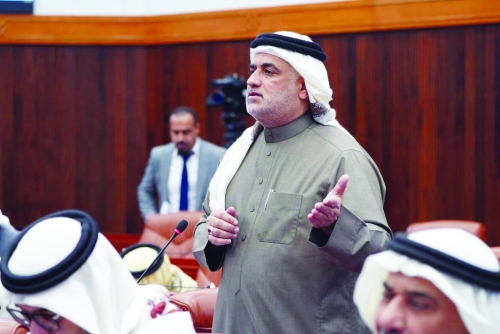

Bahrain is poised to significantly strengthen its support for citizens with disabilities with upcoming parliamentary debate on Decree-Law No. 34 of 2025. This legislation, a crucial update to the 2006 statute concerning disability rights in Bahrain, aims to modernize the legal framework, champion dignity, and foster greater inclusion for all. The proposed changes focus heavily on restructuring the state committee responsible for overseeing disability affairs and ensuring alignment with international standards.
Modernizing Bahrain’s Disability Legal Framework
For years, Bahrain has been committed to improving the lives of individuals with disabilities. This new decree-law represents a substantial step forward in that commitment. It’s not simply about amending existing laws; it’s about adopting a more contemporary and rights-based approach to disability care and ensuring the nation’s policies reflect the evolving understanding of inclusivity.
The impetus for this update stems from a desire to better reflect the principles enshrined in the UN Convention on the Rights of Persons with Disabilities, to which Bahrain is a signatory. The Legislative and Legal Opinion Commission has confirmed the decree-law’s alignment with both national disability policy and these international obligations. This demonstrates a proactive approach to fulfilling commitments made on a global stage.
Restructuring the State Committee for Disability Affairs
A core component of the decree-law revolves around the reorganization of the committee overseeing disability affairs. Currently, the structure felt somewhat outdated and lacked the clarity needed for effective operation. The reforms aim to address these issues by establishing a more streamlined and accountable system.
Key Changes to Committee Structure
The decree-law stipulates that the committee will be formally established through a decision made by the Prime Minister. This ensures high-level governmental support and oversight. Crucially, the committee will be attached to the Ministry of Social Development, providing a clear administrative home.
The Prime Ministerial decision will also define the committee’s name (moving from “Supreme Committee” to simply “Committee” for greater accessibility), its composition, and the duration of membership. This allows for flexibility and adaptation as needs evolve. The Minister of Social Development will chair the committee, ensuring a strong voice for the sector. Membership will include senior government officials alongside representatives from the private sector, fostering collaboration and a holistic approach.
Furthermore, the committee will have the ability to invite experts to provide advice, although these experts will not have voting rights. This allows for informed decision-making based on specialized knowledge. Internal rules will govern all procedures, meetings, and the process of reaching decisions, promoting transparency and efficiency.
Streamlining Terminology and Ensuring Clarity
Beyond the structural changes, the decree-law also focuses on improving the clarity and consistency of language used within the legal framework. This might seem like a minor detail, but it’s vital for ensuring that the law is easily understood and applied.
Specifically, the legislation replaces the term “Supreme Committee” with the more accessible “Committee.” Additionally, it updates references to the civil service in Arabic, changing “Diwan” to “Jihaz,” while maintaining “Bureau” in English. These seemingly small adjustments contribute to a more standardized and user-friendly legal document. This focus on clear communication is a key aspect of promoting disability inclusion.
Alignment with National Strategy and Implementation Timeline
The national strategy for disability, covering the period 2023-2027, is currently undergoing revision. Once finalized, this updated strategy will be shared with Members of Parliament (MPs) to provide further context and guidance for the implementation of the decree-law.
The decree-law itself was issued on August 19th, 2025, and will officially come into effect the day after its publication in the Official Gazette. This provides a clear timeline for implementation and allows stakeholders to prepare for the changes. The Services Committee has already recommended backing the measure, signaling a positive outlook for its passage through parliament.
Looking Ahead: A More Inclusive Bahrain
The debate scheduled for Tuesday represents a pivotal moment in Bahrain’s ongoing journey towards greater inclusivity. By modernizing its legal framework and strengthening the oversight committee, the nation is demonstrating a firm commitment to upholding the rights of persons with disabilities. This decree-law isn’t just about legal compliance; it’s about fostering a society where everyone has the opportunity to participate fully and live with dignity.
The successful implementation of these reforms will require continued collaboration between government ministries, the private sector, and civil society organizations. It’s a collective responsibility to ensure that the promise of this legislation is realized for all Bahraini citizens. We encourage readers to follow the parliamentary debate and engage with their representatives to support this important initiative.