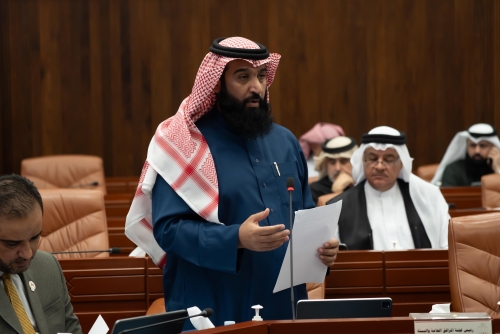

The future of environmental legal challenges in Bahrain is under discussion as parliament considers extending the deadline for appeals. Currently, individuals and groups concerned about environmental decisions have a limited timeframe to voice their objections. Today, Members of Parliament (MPs) are debating a potential amendment that would significantly alter this process, doubling the window for court challenges. This change aims to provide a more reasonable opportunity for thorough review and recourse, influencing future environmental appeals in the Kingdom.
Proposed Changes to Bahrain’s Environmental Appeal Process
A draft amendment to Article 113 of the Environment Law (Law No. 7 of 2022) is at the heart of today’s parliamentary session. The proposal, initially a legislative initiative from several MPs, seeks to modify paragraph (a) of the article, specifically concerning the timeline for challenging administrative decisions related to the environment. The current law stipulates a 30-day period for lodging a grievance with the council following notification of a decision made under the Environment Law and its associated implementing regulations.
Understanding the Current Timeline
The existing process is relatively swift. Once a decision impacting the environment is made – for example, regarding industrial projects or land use – affected parties are informed. This notification triggers the 30-day countdown for submitting a formal grievance. The governing body is then obligated to review this grievance and provide a response within another 30 days.
A crucial aspect of the current law is what happens when no response is received within this 30-day window. The legislation explicitly states that any lapse in response is deemed an “implied refusal” of the grievance. This detail is intended to prevent prolonged uncertainty and prompt a definitive outcome for the complainant.
The Proposed Extension to 60 Days
The proposed amendment would extend this initial challenge window from 30 to 60 days. Proponents argue that 30 days is insufficient for complex environmental issues that often require detailed investigation, expert consultation, and the preparation of comprehensive legal arguments. A longer timeframe would allow concerned parties, including NGOs and local communities, to adequately prepare their cases and strengthen their chances of success in challenging potentially damaging environmental decisions.
Rationale Behind the Amendment & Potential Impact
The move to revise the timeframe for environmental appeals reflects a growing desire for greater public participation and robust oversight in environmental protection efforts across Bahrain. While the Kingdom has made strides in promoting sustainability, concerns remain regarding the speed at which decisions are made and the accessibility of the appeal process.
Furthermore, the extension could lead to more informed and well-substantiated legal challenges. This, in turn, may result in better-considered environmental policies and more responsible development practices. It’s expected that a longer appeal window will encourage greater engagement with the environmental review process before decisions are finalized, potentially resolving issues through dialogue rather than resorting to formal legal action. The suggestion is to try and avoid a rushed response to complex environmental decisions.
However, extending the appeal process isn’t without potential drawbacks. Critics worry that it could introduce delays to important projects and complicate administrative procedures. Balancing the need for thorough review with the need for efficient governance is a key consideration for the parliament. The amendment also raises questions about the efficiency of the council in handling a potentially higher volume of grievances.
Implications for Environmental Law and Litigation
This potential shift is significant for the wider context of environmental litigation in Bahrain. If passed, the amendment could set a precedent for reviewing timelines in other areas of administrative law. It underlines the importance of providing adequate due process for parties impacted by government decisions, especially those with potential long-term consequences like environmental damage.
The change also highlights the increasing awareness of environmental rights within Bahraini society. Organizations dedicated to environmental protection have actively campaigned for reforms that empower citizens to hold authorities accountable for their environmental stewardship. This proposed amendment is a direct response to those calls, aiming to establish a more equitable and effective system for addressing environmental concerns.
Moreover, it’s likely to shape the role of legal experts specializing in environmental law. As the complexity of cases increases with more time for preparation, the demand for skilled environmental lawyers will undoubtedly grow. This could foster a more specialized legal sector dedicated to upholding environmental standards.
In conclusion, the debate surrounding the deadline for environmental appeals is a crucial step in refining Bahrain’s environmental legal framework. The proposed extension to 60 days represents a potential improvement in ensuring fair access to justice and promoting a more sustainable future. The outcome of today’s parliamentary session will be closely watched by environmental advocates, legal professionals, and the public alike, as it will significantly impact how environmental concerns are addressed in the Kingdom for years to come.