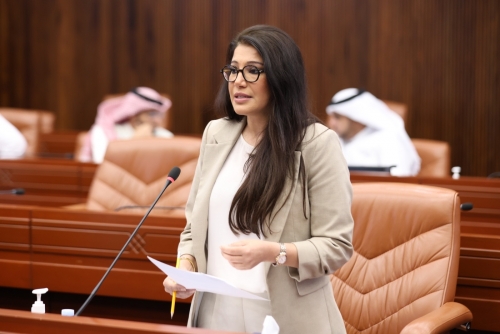

The Bahrain Parliament is considering a significant update to its internal rules, potentially bolstering the kingdom’s preparedness for future crises. A proposed amendment, currently under review, focuses on establishing a dedicated strategic planning committee to proactively address both long-term development and immediate disaster response. This move, initiated by MP Maryam Al Dhaen, comes after lessons learned from global events, most notably the COVID-19 pandemic, highlighted the need for a more focused and specialized approach to national security and progress.
Strengthening Bahrain’s Future: The Proposed Strategic Planning Committee
MP Maryam Al Dhaen has formally proposed the creation of a Standing Committee on Strategic Planning and Disasters. The proposal, recently referred to Parliament’s rulebook review process by Speaker Ahmed Al Musallam, aims to amend Decree-Law No. 54 of 2002 concerning Parliament’s internal procedures. This amendment isn’t simply bureaucratic; it represents a fundamental shift towards proactive governance and enhanced national resilience.
The core of the proposal lies in forming a permanent, five-member committee with a clear mandate: to oversee and contribute to Bahrain’s strategic direction while simultaneously preparing for and mitigating the impact of potential disasters. This is about more than just reacting; it’s about anticipating and planning.
A Broad Scope of Responsibilities
The committee’s responsibilities stretch across diverse areas crucial to Bahrain’s stability and growth. These include:
- Strategic & Development Project Review: Analyzing existing and proposed projects to ensure alignment with national objectives.
- Legislative Planning: Formulating legislative frameworks that support long-term development goals.
- Disaster Preparedness: Crafting comprehensive strategies to handle a wide spectrum of emergencies, from natural catastrophes to pandemics.
- Risk Assessment & Prioritization: Identifying potential threats and establishing clear priorities for resource allocation and preventative measures.
- Public Awareness Campaigns: Collaborating with relevant authorities to educate the public on disaster preparedness and response.
This breadth is intentional, as the potential challenges facing Bahrain are multifaceted. The proposal specifically mentions a range of scenarios the committee would focus on, including wars, epidemics (a stark reminder of the recent past), threats to food and water security, and the ever-present danger of natural disasters.
The Rationale Behind the Change: Lessons from Recent Global Events
Al Dhaen’s explanatory memorandum emphasizes the urgency of establishing this strategic planning committee. She argues that recent global crises, particularly the COVID-19 pandemic, exposed critical gaps in preparedness and the need for more robust long-term planning. The pandemic, she states, demonstrated the profound impact a single, unexpected event can have on all aspects of society, underscoring the importance of having dedicated mechanisms for analysis and response.
Furthermore, she believes that Parliament has a crucial role to play, not just as a legislative body, but as a key partner with the executive branch in shaping and overseeing the nation’s future. This collaboration, she asserts, will be essential for navigating the increasingly complex landscape of global challenges. The aim is to move beyond reactive measures and embed proactive risk management into the core of Bahrain’s governance.
Enhanced Cooperation and Legislative Oversight
The creation of this committee is expected to foster stronger ties between the legislative and executive branches. By actively participating in the development of strategic plans and disaster preparedness protocols, Parliament can ensure greater accountability and transparency in government actions.
Additionally, a specialized committee ensures that these critical issues receive the focused attention they deserve, rather than being diluted within the broader responsibilities of other parliamentary bodies. This dedicated focus will allow for deeper analysis, more informed decision-making, and ultimately, a more resilient nation.
Implications for Bahrain’s National Development and Security
The establishment of a strategic planning committee represents a proactive step towards securing Bahrain’s future. By emphasizing long-term vision alongside immediate crisis response, the proposal acknowledges that national development and security are inextricably linked. Effective planning for potential disasters isn’t just about minimizing damage; it’s about protecting investments, preserving economic stability, and safeguarding the well-being of citizens.
It’s also worth noting the influence of concepts like national resilience on this proposal. The ability to withstand and recover quickly from challenges – whether economic downturns, public health crises, or environmental disasters – is critical in today’s interconnected world. A dedicated committee focused on strategic planning and disaster preparedness is a vital component of building that resilience.
In conclusion, the proposed amendment to Parliament’s rulebook, specifically the creation of the Strategic Planning and Disasters Committee, is a forward-thinking initiative poised to strengthen Bahrain’s ability to navigate future challenges and capitalize on emerging opportunities. The review process will be crucial in refining the proposal and ensuring it effectively contributes to the kingdom’s long-term prosperity and security. It remains to be seen what changes will be made during the review, but the core intent – to build a more prepared and resilient Bahrain – is undeniably positive. Readers are encouraged to follow updates on this important matter through official parliamentary channels and news outlets like News of Bahrain.