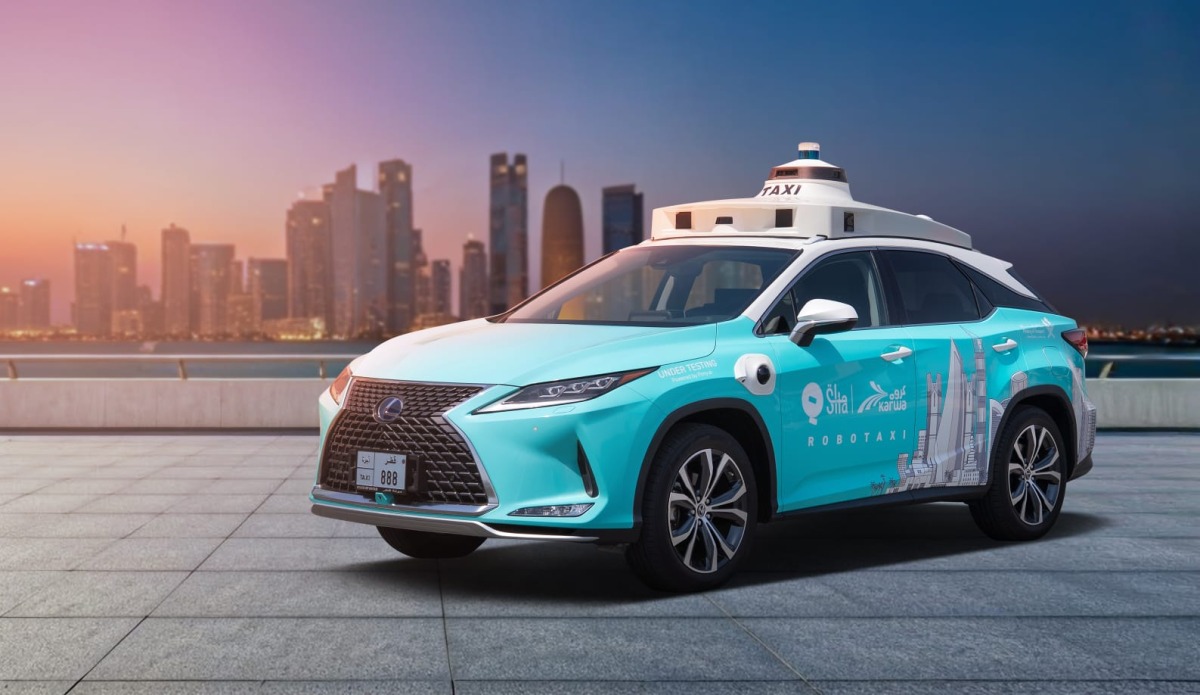

Doha, Qatar – Mowasalat (Karwa), Qatar’s primary transportation provider, has initiated the country’s first RoboTaxi service, operating under the oversight of The Ministry of Transport. This launch signifies a substantial advancement in Qatar’s pursuit of smart and sustainable mobility solutions, aligning with the goals outlined in Qatar National Vision 2030. The service is currently in a limited operational phase, with plans for wider deployment pending evaluation.
The initial rollout involves a fleet of autonomous vehicles designed to enhance passenger transport through advanced technology. According to a statement from Mowasalat, the RoboTaxi service aims to improve safety, comfort, and efficiency for commuters within designated areas of Doha. The Ministry of Transport has emphasized the importance of rigorous testing and adherence to stringent safety standards throughout the implementation process.
The Dawn of RoboTaxi Technology in Qatar
The introduction of RoboTaxi services represents a growing global trend toward autonomous vehicles in public transportation. Several cities worldwide are piloting similar programs, driven by the potential to reduce traffic congestion, lower transportation costs, and improve accessibility. Qatar’s adoption of this technology positions it as a regional leader in innovation and smart city development.
Mowasalat reports that each RoboTaxi is equipped with a comprehensive sensor suite, including eleven cameras, four radar units, and four LiDAR sensors. This technology provides a 360-degree view of the vehicle’s surroundings, enabling precise navigation and real-time detection of obstacles, pedestrians, and other vehicles.
Safety and Data Security Measures
Safety is a paramount concern in the deployment of autonomous vehicles. Mowasalat has incorporated a built-in redundancy system into the RoboTaxi design, ensuring the vehicle can safely navigate to a secure location in the event of a system malfunction. This system is designed to mitigate risks and prioritize passenger well-being.
Additionally, the company has prioritized data security and privacy. All operational and passenger data collected by the RoboTaxi system are stored and processed within Qatar, adhering to the nation’s data localization and cybersecurity regulations. This commitment aims to build public trust and ensure responsible data handling practices. The implementation of these measures is in line with Qatar’s broader efforts to establish a robust digital infrastructure.
The development of the RoboTaxi service has been a collaborative effort, involving partnerships with leading international autonomous technology companies. This collaboration has allowed Mowasalat to leverage global expertise while tailoring the service to meet local operational and regulatory requirements. The integration of international best practices with Qatar’s specific needs is a key factor in the project’s success.
Implications for Qatar’s Transportation Future
The launch of the RoboTaxi service is expected to have a ripple effect on Qatar’s transportation ecosystem. Experts suggest that widespread adoption of autonomous vehicles could lead to reduced reliance on private cars, decreased traffic congestion, and lower carbon emissions, contributing to Qatar’s sustainability goals. This aligns with the country’s commitment to environmental responsibility as outlined in Qatar National Vision 2030.
However, challenges remain. Public acceptance of autonomous technology is crucial, and ongoing education and outreach efforts will be necessary to address any concerns. Furthermore, the regulatory framework surrounding autonomous vehicles will need to evolve to accommodate the unique aspects of this emerging technology. The development of appropriate insurance models and liability protocols is also essential.
The Ministry of Transport has indicated that the initial phase of the RoboTaxi service will focus on gathering data and assessing performance in real-world conditions. This data will be used to refine the technology, optimize routes, and improve the overall passenger experience. Further expansion of the service will be contingent on the results of this evaluation. The long-term vision includes integrating the RoboTaxi fleet with other modes of public transportation, creating a seamless and interconnected mobility network. The success of this project could also spur further investment in autonomous vehicles and related technologies within Qatar, fostering innovation and economic growth in the smart mobility sector.
Looking ahead, Mowasalat anticipates a phased rollout of the RoboTaxi service across more areas of Doha in the coming months. The Ministry of Transport is expected to publish a comprehensive report on the initial operational phase by the end of the year, outlining key findings and recommendations for future development. The extent of the expansion and the timeline for full-scale deployment remain subject to ongoing evaluation and regulatory approvals.