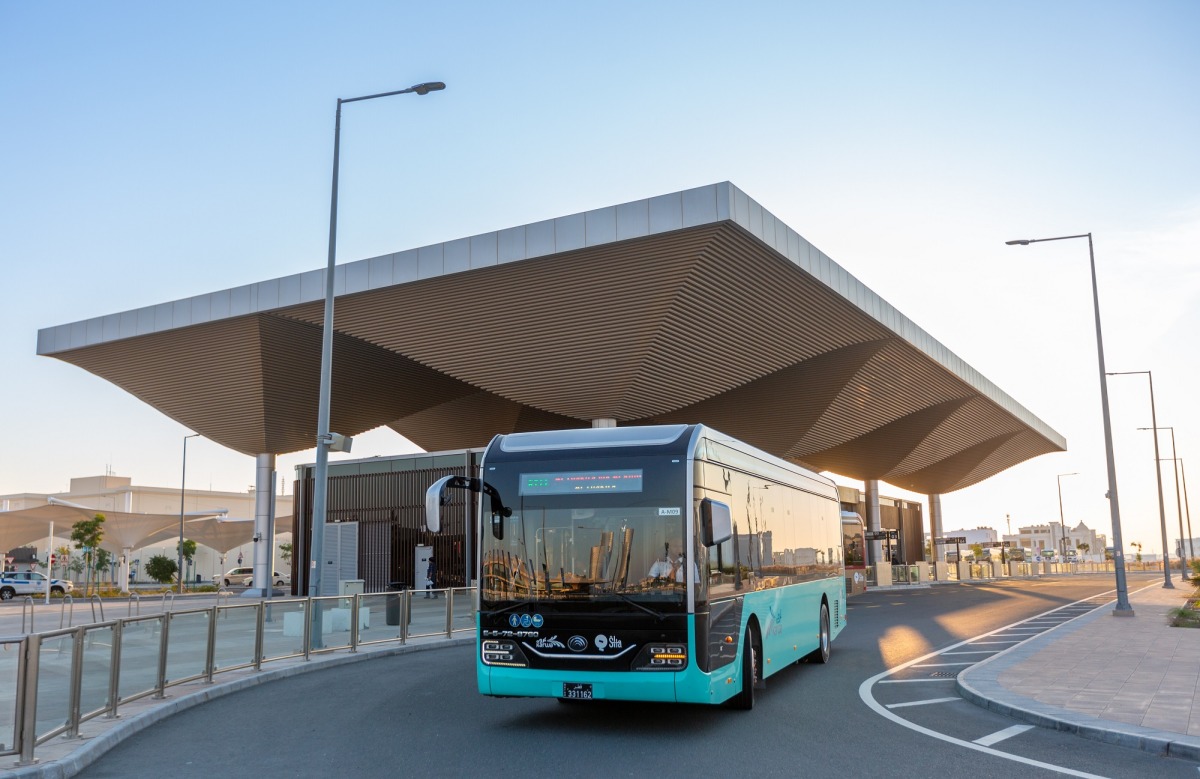

Doha, Qatar – The Ministry of Transport (MoT) has highlighted the growing importance of the Al Sudan Bus Station as a key component of Qatar’s expanding public transportation network. The station, strategically located in the Al Sudan area, is designed to handle significant passenger volume and supports the country’s broader goals for sustainable urban mobility. This announcement underscores Qatar’s ongoing investment in modernizing its infrastructure ahead of anticipated population growth and major events.
The MoT emphasized that Al Sudan Bus Station is currently capable of dispatching up to 22 buses per hour across multiple routes, serving an estimated 1,750 passengers daily, according to transport analysts. Its accessibility, combined with its integration with the Doha Metro, positions it as a vital transit hub for both residents and visitors.
The Role of Al Sudan Bus Station in Qatar’s Public Transport System
Al Sudan Bus Station is a product of the government’s Public Bus Infrastructure Programme, an initiative aimed at creating a reliable, efficient, and environmentally conscious public transit system throughout Qatar. The station provides crucial links between key urban districts and acts as a feeder system for the wider metro and bus networks. This interconnectedness is intended to reduce reliance on private vehicles and alleviate traffic congestion.
Strategic Location and Connectivity
The station’s location offers direct access from Al Waab Street and seamless transfers to the Doha Metro’s Al Sudan station on the Gold Line. This integration is a core principle of Qatar’s transport planning, allowing passengers to easily combine different modes of transportation. Furthermore, the station’s proximity to major destinations like Aspire Zone, Villaggio Mall, and The Torch Tower enhances its convenience for commuters and leisure travelers.
Future-Proofing with Electric Vehicle Infrastructure
A key feature of the Al Sudan Bus Station is its readiness for electric buses. The MoT has installed three electric charging units on site, demonstrating a commitment to transitioning to a zero-emission public bus fleet. This aligns with Qatar National Vision 2030 and national sustainability frameworks focused on reducing carbon emissions and improving air quality. The move towards electric buses is part of a wider effort to promote green technology within the transportation sector.
This investment in charging infrastructure isn’t isolated. The Ministry has repeatedly stated that future-proofing the country’s transport ecosystem is a priority. The deployment of these facilities at Al Sudan and other stations will enable the integration of next-generation bus fleets as Qatar progresses towards its environmental goals.
Al Sudan was among the first of eight major bus terminals to be inaugurated under the Public Bus Infrastructure Programme. The program aims to establish a comprehensive network of strategically located bus stations across Doha and surrounding areas, including Lusail, Education City, Al Gharrafa, and Al Wakra. This expansion is expected to significantly improve transit efficiency and service coverage nationwide.
The development of these stations is occurring alongside ongoing expansions to the Doha Metro and the introduction of new bus routes. These combined efforts are intended to create a multi-modal transportation system that caters to the diverse needs of Qatar’s population. The Ministry of Transport is also exploring options for enhancing the passenger experience, including improved ticketing systems and real-time information displays.
Looking ahead, the MoT is expected to continue expanding the electric bus charging infrastructure at existing and new stations. The timeline for full fleet electrification remains uncertain, dependent on factors such as technological advancements and the availability of funding. Observers will be watching for further announcements regarding the rollout of new bus routes and the integration of smart technologies to optimize the public transportation network and improve urban mobility in Qatar.
The success of the Public Bus Infrastructure Programme will be crucial in supporting Qatar’s long-term economic and social development.