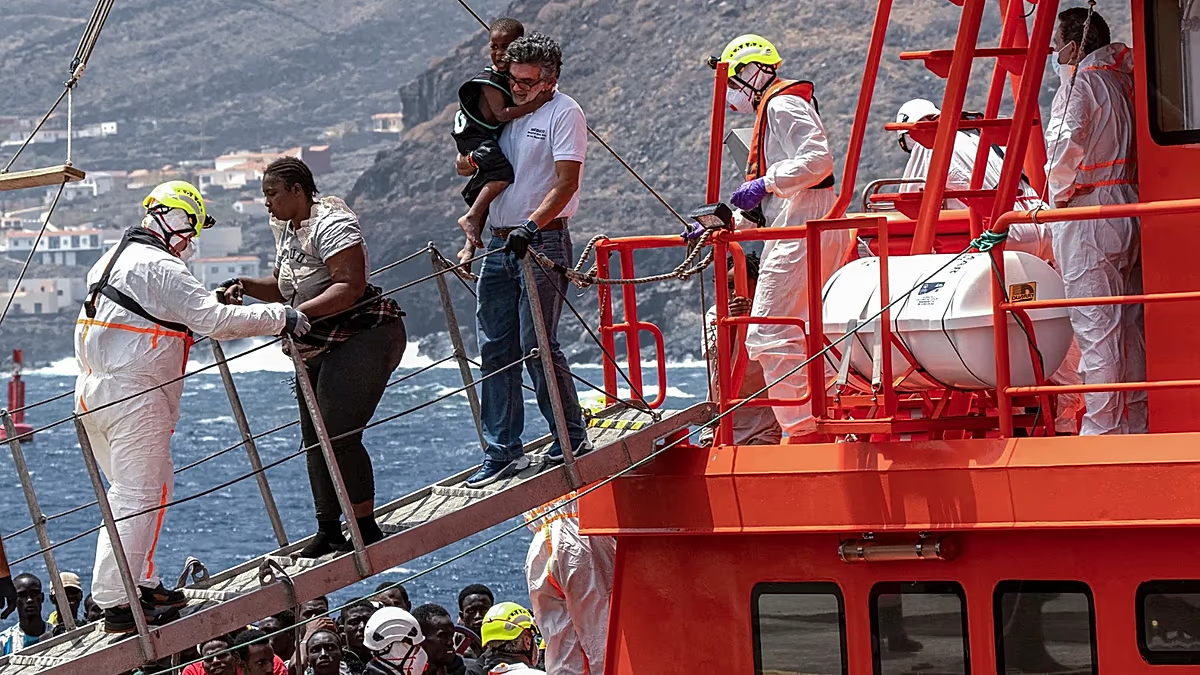

More than 3,000 migrants and refugees died attempting to reach Spain in 2025, according to a report released Monday by the non-governmental organization Caminando Fronteras. This represents a significant increase in fatalities, particularly on the increasingly dangerous route from Algeria to the Balearic Islands. The findings underscore the persistent risks faced by individuals undertaking perilous journeys to Europe, despite a reported decrease in overall arrivals.
The report, titled “Right to Life Monitoring 2025,” details 3,090 confirmed deaths throughout the year. Tragically, 192 of those deaths were women, and 437 were minors. While the number of arrivals to Spain has fallen, the mortality rate remains alarmingly high, prompting calls for improved rescue mechanisms and a reassessment of border control policies.
The Deadly Migration Route to Spain
Despite a 40.4% decrease in irregular arrivals to Spain overall, as reported by the Spanish Interior Ministry as of December 15th, the human cost remains substantial. The Canary Islands, a major entry point for migrants from Africa, saw a particularly sharp decline in arrivals – nearly 60% – but continues to be the most dangerous route.
The sheer volume of boats attempting the crossing to the Canary Islands contributes to the elevated risk. The report indicates 1,906 deaths occurred on this route, compared to 1,037 on the Mediterranean route. This suggests that while fewer people may be attempting the journey, those who do face a greater chance of losing their lives.
Shifting Patterns and New Dangers
Caminando Fronteras has observed a shift in migration patterns, with a new route emerging from Guinea in West Africa. This route is considered especially perilous, particularly for women and children, due to the smaller, less seaworthy vessels used and the increased distance traveled. The organization warns that this new trend could lead to a further rise in fatalities.
Meanwhile, attempts to cross the Strait of Gibraltar by swimming have also increased, resulting in 139 deaths. A concerning 24% of these victims were children and adolescents, highlighting the desperation driving individuals to take such extreme risks. The UNHCR provides further information on the challenges faced by refugees and migrants seeking protection in Spain.
According to Helena Maleno, the coordinator of the research, the reported decrease in deaths isn’t necessarily indicative of safer conditions. She suggests the smaller size of boats sinking off the Algerian coast contributes to lower overall numbers, as fewer people are aboard each vessel compared to the larger canoes used for the Canary Islands crossing.
Caminando Fronteras attributes the ongoing fatalities, in part, to insufficient search and rescue operations. They also criticize the increasing trend of outsourcing border control to third countries, arguing that this practice exacerbates the vulnerability of migrants and reduces their access to protection during their journeys. This externalization of migration management is a growing concern for human rights organizations.
The organization emphasizes the need for a more humane and effective approach to migration management, prioritizing the safety and dignity of those seeking a better life. They call for increased investment in rescue capabilities and a reevaluation of policies that push migrants into more dangerous situations. The issue of international humanitarian law is central to these discussions.
Looking ahead, monitoring the evolving routes and addressing the root causes of migration will be crucial. The situation demands continued attention from both national and international authorities, as well as sustained support for organizations working to protect the rights of migrants and refugees. Further reports and data analysis from Caminando Fronteras are expected in the coming months, providing a vital resource for understanding the ongoing crisis in the Mediterranean and Atlantic.