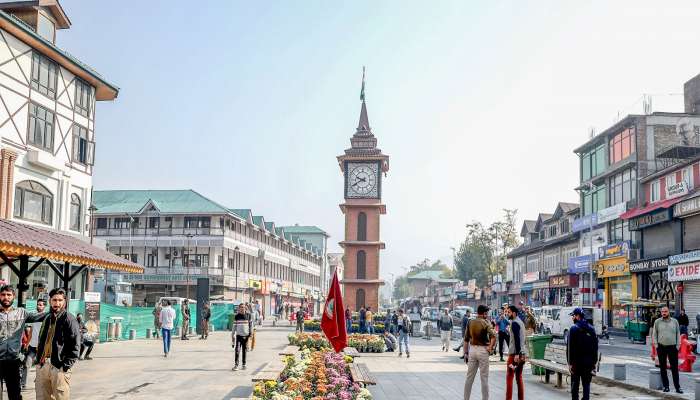

India’s tourism and hospitality industry is on the cusp of a significant boom, fueled by a potent combination of economic factors and evolving consumer behavior. A recent report by B&K Securities paints a remarkably optimistic picture, pinpointing rising disposable incomes as the primary driver for this anticipated growth. This surge in financial freedom, particularly within India’s burgeoning middle class, is poised to reshape the travel landscape and boost related sectors nationwide.
The Rise of the Indian Middle Class & Its Impact on Travel
The backbone of this projected upswing is the impressive expansion of India’s middle class. The B&K Securities report highlights a dramatic increase from 432 million in fiscal year 2021 to a projected 715 million by fiscal year 2031. This trend doesn’t stop there; forecasts predict a further climb to 1,015 million by 2047. India is predicted to overtake both the US and China in terms of middle-class population size within the next decade, creating a massive new market for leisure and travel services.
This expanding demographic isn’t just larger in number; they’re also financially empowered. Recent government initiatives, including income tax relaxations and rationalization of the Goods and Services Tax (GST), have demonstrably increased the amount of money available to middle and upper-middle-income households.
From Necessities to Experiences
As individuals retain a larger portion of their earnings, a notable shift in spending priorities is occurring. Consumers are increasingly allocating their budgets towards “experiential” categories like travel, dining, and leisure activities. This is a significant departure from prioritizing solely essential goods and services. The effect is direct and powerful: hotels, restaurants, and tourism operators across the country are experiencing, and are set to continue experiencing, a considerable benefit.
This trend isn’t limited to domestic travel, although that remains the dominant force. An increase in luxury travel and demand for premium hospitality offerings is also evident as high-income populations seek unique experiences and high-end amenities like fine dining, elaborate banqueting facilities, and recreational activities like golf.
Government Initiatives Fueling Tourism Growth
The positive trajectory of India’s tourism sector isn’t solely driven by economic shifts; strong government support is playing a crucial role. Several initiatives designed to promote domestic and international tourism are gaining traction.
These include:
- Dekho Apna Desh: Encouraging citizens to explore and appreciate the diverse landscapes and cultural heritage within India.
- Swadesh Darshan 2.0: Focusing on the integrated development of theme-based tourism circuits.
- Chalo India: Another campaign designed to boost domestic tourism.
- Incredible India Refresh: A rejuvenated branding campaign aimed at attracting international tourists.
Furthermore, a more liberalized e-visa regime has streamlined the process for foreign visitors, removing barriers and making India a more accessible destination. Coupled with these campaigns, a renewed focus on infrastructure development in tourist areas promises to enhance the overall travel experience.
Resilience and Rebound in Tourist Arrivals
Despite the significant disruption caused by the global pandemic, India’s tourism sector has displayed remarkable resilience. The report indicates a steady recovery in both Foreign Tourist Arrivals (FTAs) and Domestic Tourist Visits (DTVs). While the pandemic undeniably presented challenges, the underlying strength of the Indian travel market has shone through.
This is partly attributable to a preference for safer, well-established destinations, and India’s rich cultural tapestry alongside increasingly attractive pricing continues to draw visitors. The increasing focus on sustainable tourism and responsible travel practices is also gaining momentum, aligning with the preferences of modern travelers. The demand for sustainable tourism is a trend expected to continue solidifying India’s position as a favored destination.
The Future: Sustained Growth in Hospitality
The B&K Securities report confidently asserts that rising disposable incomes, the relentlessly expanding middle class, and consistent government support are collaboratively laying the foundation for long-term, sustainable growth within India’s tourism and hospitality sector.
Specifically, demand is increasing across all hotel service categories, but notably within the upper midscale and premium segments. This signifies a desire for higher quality, more comfortable experiences among a broader segment of the population. Ultimately, the convergence of these factors paints a compelling picture of a sector poised for a golden age.
As India continues its economic ascent, and more citizens gain the financial freedom to explore, invest in, and enjoy leisure activities, the tourism and hospitality industry is uniquely positioned to benefit. This report serves as an encouraging signal for businesses and investors alike, confirming that the time to capitalize on India’s burgeoning travel market is now.