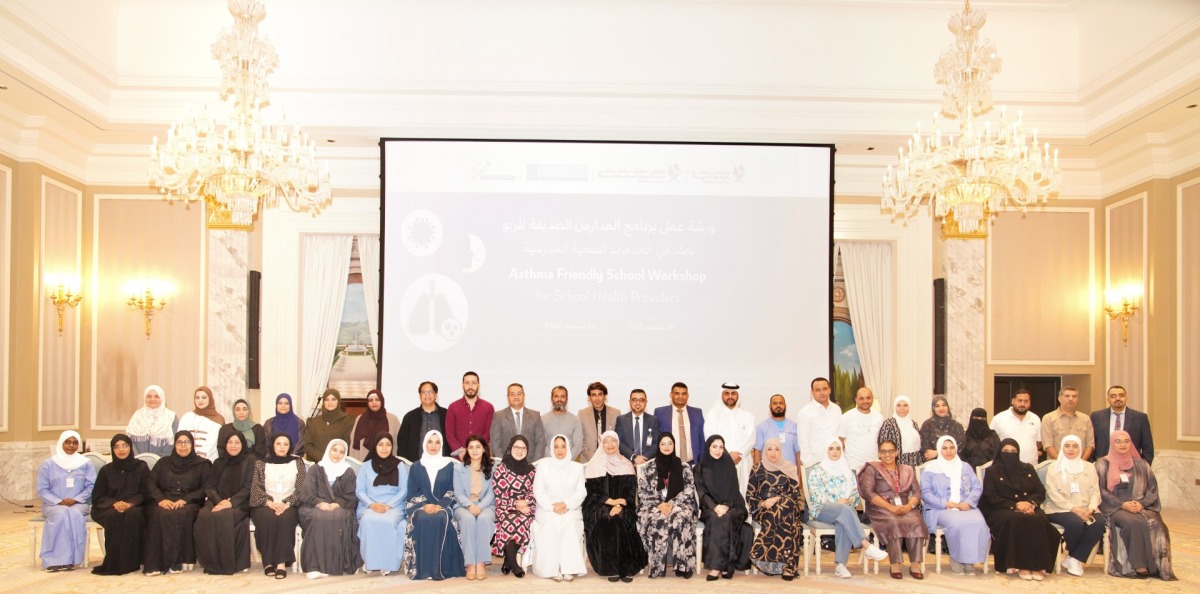

Doha, Qatar – The Ministry of Public Health (MoPH) recently concluded a training workshop for approximately 90 healthcare providers from the Primary Health Care Corporation (PHCC) who serve in government schools. The initiative aims to bolster the management of asthma cases within the school setting and ensure staff are equipped with the latest internationally recognized best practices. This training is a key component of Qatar’s ongoing “Asthma-Friendly Schools” Programme.
The workshop, held in Doha, focused on practical skills and updated protocols for identifying, treating, and monitoring asthma in students. According to the MoPH, the program is aligned with Qatar National Vision 2030 and the National Health Strategy 2024–2030, demonstrating a commitment to preventative healthcare and improved quality of life for all residents. The training underscores the importance of collaborative efforts between health and education sectors.
Strengthening Asthma Management in Schools
The “Asthma-Friendly Schools” Programme seeks to create a more supportive and informed environment for students living with asthma. The workshop covered the implementation process of the program, including follow-up and evaluation procedures, and incorporated lessons learned from previous iterations. A significant emphasis was placed on early detection of symptoms and triggers, proper medication administration, and swift response protocols during acute attacks.
Key Training Components
Participants received guidance on managing students with asthma throughout the school day, including the appropriate use of peak flow meters for improved monitoring. The importance of individualized asthma control plans – developed in consultation with healthcare professionals – was also highlighted. These plans outline specific actions to take in various scenarios.
Additionally, the training addressed empowering students to self-manage their condition, fostering independence and confidence. The connection between environmental health and asthma triggers, such as allergens and pollutants, was another crucial topic, encouraging proactive measures to improve air quality within schools. This aligns with broader public health initiatives focused on respiratory health.
Sheikh Dr Mohamed bin Hamad Al Thani, Director of the Non-Communicable Disease Prevention Programmes Department at the MoPH, emphasized the program’s role in enhancing student well-being and ensuring a safe learning environment. He stated that the collaboration between the MoPH, the Ministry of Education and Higher Education, the PHCC, and Hamad Medical Corporation (HMC) is fundamental to improving healthcare services in schools.
The MoPH has been actively raising awareness about asthma through large-scale campaigns, particularly on World Asthma Day, which include media outreach and workshops for the school community. These efforts aim to reduce the stigma associated with the condition and promote early intervention. The ministry reports a growing understanding of asthma management among the general public.
The PHCC plays a vital role in the program by providing dedicated school health staff, ongoing training, and follow-up care for students with asthma, connecting them to necessary health services. HMC contributes its clinical expertise by developing national guidelines for asthma management and providing specialized training to healthcare personnel. This includes support for rapid intervention in emergency situations and strengthening the overall health system’s capacity to handle asthma complications.
Dr. Maya Al Shaiba, Supervisor of the Asthma-Friendly Schools Programme at the MoPH, noted that expanding the program to all government schools demonstrates Qatar’s dedication to creating a supportive and secure environment for students with respiratory conditions. She also acknowledged the significant contributions of school health staff in improving the quality of care provided to students. The program’s success relies heavily on their dedication and expertise.
Looking ahead, the MoPH and its partners will continue to monitor the program’s impact and refine its strategies based on ongoing evaluation. The next phase will likely focus on expanding the program to include private schools and further integrating asthma education into the school curriculum. The long-term effectiveness of the initiative will depend on sustained funding and continued collaboration between all stakeholders, as well as ongoing research into best practices for respiratory health and allergy management.