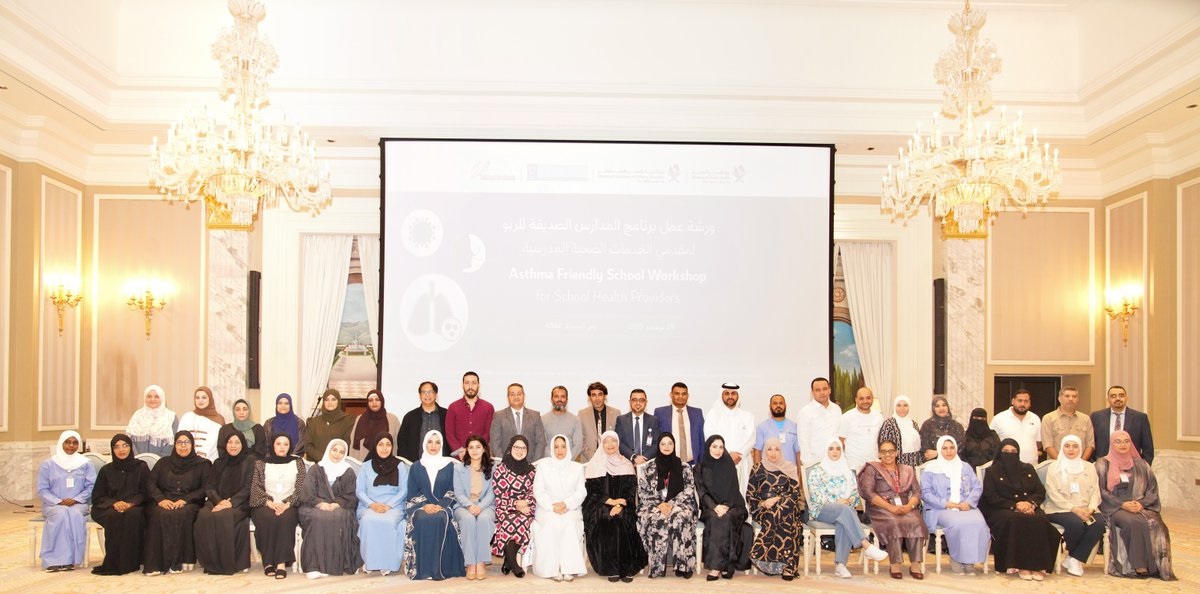

Qatar is bolstering its efforts to support students with asthma through a recent training workshop for healthcare providers in government schools. The Ministry of Public Health (MOPH) hosted the event, equipping approximately 90 professionals from the Primary Health Care Corporation (PHCC) with updated skills to manage asthma cases effectively within the school setting. This initiative underscores Qatar’s commitment to student wellbeing and a safe learning environment.
The workshop, held in Doha, focused on implementing internationally recognized best practices for asthma management. According to the MOPH, the training is a key component of the broader Asthma-Friendly Schools Programme, a national initiative designed to reduce student absenteeism and improve health preparedness in educational institutions. The program aims to create a collaborative approach between health services, schools, and families.
Strengthening Asthma Management in Qatar’s Schools
The need for enhanced asthma care in schools stems from the condition’s prevalence among children and adolescents. Asthma is a chronic respiratory disease that can significantly impact a student’s ability to participate fully in school activities. Effective management requires a coordinated effort to identify students with asthma, provide appropriate medication and education, and respond quickly to acute episodes.
A Collaborative Approach
Sheikh Dr. Mohamed bin Hamad Al-Thani, Director of the Non-Communicable Disease Prevention Programmes Department at MOPH, emphasized the importance of collaboration. He stated that the integration of efforts between the MOPH, the Ministry of Education and Higher Education, the PHCC, and Hamad Medical Corporation (HMC) is crucial for improving healthcare services in schools. This partnership ensures a comprehensive and consistent approach to asthma care.
The PHCC plays a central role in implementing the Asthma-Friendly Schools Programme, providing dedicated school health staff, ongoing training, and follow-up care for students diagnosed with asthma. HMC contributes its clinical expertise by developing national guidelines for asthma management and offering specialized training to healthcare personnel. This includes support for rapid intervention in emergency situations.
Raising Awareness and Reducing Attacks
The MOPH has undertaken significant national campaigns to raise awareness about asthma, particularly around World Asthma Day. These campaigns include media outreach, workshops for the school community, and specialized training for school health staff. The goal is to promote a better understanding of the condition and empower students, families, and teachers to manage it safely and effectively.
Dr. Maya Al Shaiba, Supervisor of the Asthma-Friendly Schools Programme, highlighted Qatar’s dedication to creating a supportive school environment for students with asthma. She praised the efforts of school health staff, recognizing their vital role in enhancing the quality of care provided to students. The program also focuses on improving communication between schools and healthcare providers, ensuring students receive timely and appropriate medical attention.
Beyond asthma, the initiative contributes to broader public health goals related to non-communicable diseases and primary healthcare in Qatar. The program’s success relies on consistent implementation and ongoing evaluation of its impact on student health and academic performance.
Looking ahead, the MOPH plans to expand the Asthma-Friendly Schools Programme to encompass all government schools in Qatar. The timeline for full implementation remains uncertain, dependent on resource allocation and ongoing evaluation of the program’s effectiveness. Monitoring student absenteeism rates and tracking the incidence of asthma-related emergencies within schools will be key indicators of the program’s success.