


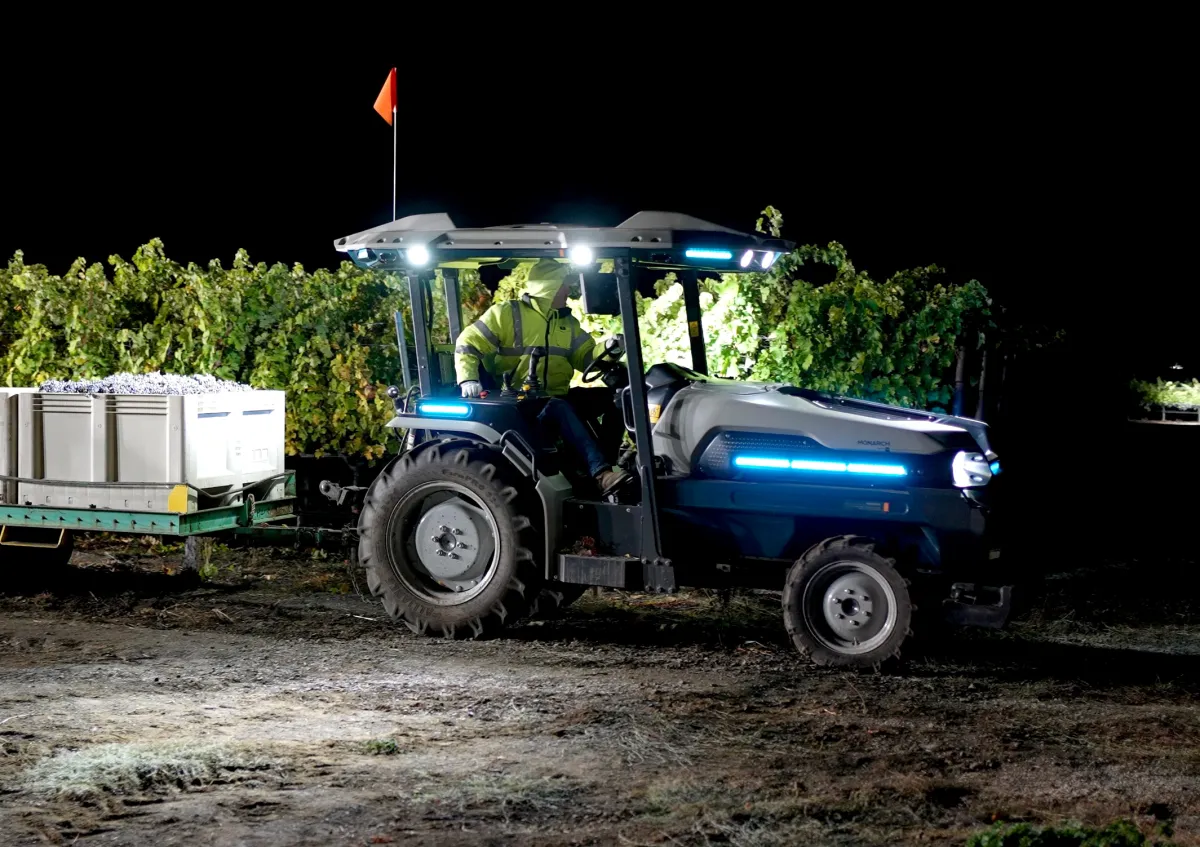

Autonomous electric tractor startup Monarch Tractor is facing a potential shutdown and further layoffs, potentially impacting over 100 employees. The company warned staff Thursday of the dire situation, stemming from financial difficulties and questions surrounding the performance of its core tractor technology. This development signals significant turbulence in the agtech sector and raises concerns about the viability of the company’s ambitious vision.
The warning follows recent layoffs at Monarch’s facilities in California, India, and Singapore, according to former employees. Founded in 2018, Monarch raised over $220 million to develop “driver optional” tractors designed for specialized agriculture, including vineyards and orchards. The company’s struggles highlight the challenges of bringing complex autonomous systems to market, particularly in demanding outdoor environments.
Monarch Tractor’s Struggle with Autonomous Technology
While Monarch Tractor initially touted its autonomous capabilities, a recent lawsuit filed by Idaho dealership Burks Tractor casts doubt on those claims. Burks alleges the tractors delivered in 2024 were “defective” and “unable to operate autonomously,” claims Monarch has denied in court filings. This dispute underscores a critical issue: the practical implementation of self-driving technology in agriculture is proving more difficult than initially anticipated.
Additionally, the company lost its manufacturing partner, Foxconn, earlier this year, further compounding its logistical and production challenges. This loss forced Monarch to reassess its business model and consider a shift away from hardware production.
Pivoting to Software and Services
In response to these hurdles, Monarch announced a restructuring in late 2024, aiming to expand into software-as-a-service (SaaS) offerings for autonomous functions and licensing its technology to original equipment manufacturers (OEMs). The company’s internal memo indicates this pivot is becoming increasingly urgent, potentially focusing on providing software solutions rather than building and selling complete tractors.
According to the memo, the new plan aims to enable Monarch customers to commercialize autonomous software directly to consumers, creating new revenue streams for OEMs. However, the firm acknowledged the transition poses a substantial risk of complete shutdown.
The company’s recent evolution mirrors a broader trend in the agtech industry, with some companies exploring subscription-based models for precision agriculture tools. This approach allows for recurring revenue and reduced capital expenditure, but requires significant investment in software development and ongoing support. Concerns over farm automation and its cost also loom large.
Layoffs and Leadership Changes
Monarch Tractor is potentially facing layoffs impacting up to 102 employees. The precise number currently employed is unclear, however, the company reduced its workforce by more than 10% during the late 2024 restructuring, bringing the total employee count down from approximately 300.
Further complicating matters, the company has seen departures of key personnel, including co-founder Mark Schwager, who previously held a leadership role at Tesla’s Gigafactory 1. Schwager cited a “right timing” for a transition, but his exit adds another layer of uncertainty to Monarch’s future. The impact of this agricultural technology talent loss remains to be seen.
According to sources, CEO Praveen Penmesta has yet to comment on the situation.
The situation at Monarch Tractor underscores the risks inherent in developing and scaling groundbreaking – and expensive – technology, especially during periods of economic uncertainty. While the company’s initial vision of an automated and electrified future for farming remains compelling, its immediate future appears precarious.
The next few weeks will be critical for Monarch Tractor as it attempts to finalize its new business plan and secure the necessary funding to avoid complete liquidation. Whether the company can successfully transition to a software-focused model and overcome its technological and financial hurdles remains uncertain. Industry observers are watching closely to see if Monarch can salvage its vision or become another cautionary tale in the rapidly evolving agtech landscape. Developments in the lawsuit filed by Burks Tractor will also likely influence Monarch’s trajectory, as will its ability to attract further investment.