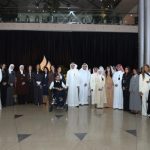

Doha, Qatar – The Ministry of Municipality (MoM) is showcasing Qatar’s advancements in fish farming and marine conservation at the 15th Katara Traditional Dhow Festival, currently underway at Katara Beach. The festival, which began on November 18, 2024, and runs until December 18, 2025, offers the public a unique opportunity to explore the nation’s strategies for bolstering food security and preserving vital fisheries. The MoM’s Fisheries Resources Department has established a dedicated pavilion to inform visitors about these initiatives.
Located on the southern side of Katara Beach, the annual Dhow Festival celebrates Qatar’s rich maritime heritage with a variety of cultural displays and activities. This year, the MoM’s presence highlights a growing focus on sustainable practices within the country’s fishing industry and the development of aquaculture as a key component of national food production. The event is open daily and aims to engage the community in understanding the importance of marine resources.
The Rise of Fish Farming in Qatar
Qatar has been actively investing in fish farming technologies to reduce its reliance on imported seafood and enhance domestic food supply. According to the Ministry of Municipality, this push is driven by the country’s National Food Security Strategy, which prioritizes increasing local production of key food items. This strategy acknowledges the vulnerability of relying solely on external sources, particularly in a region with limited arable land and freshwater resources.
Sustainable Aquaculture Practices
The MoM’s pavilion details various sustainable aquaculture practices being implemented across Qatar. These include the use of recirculating aquaculture systems (RAS) which minimize water usage and waste discharge, and the exploration of offshore cage farming to utilize the vast marine environment. The ministry emphasizes the importance of responsible aquaculture to avoid negative impacts on the surrounding ecosystem.
Additionally, the department is researching and promoting the cultivation of native and climate-resilient fish species. This approach aims to ensure the long-term viability of fish farming operations in Qatar’s unique environmental conditions. The focus on native species also supports the preservation of local biodiversity.
The festival provides a platform to educate the public about the benefits of consuming locally farmed fish. This includes reduced carbon footprint associated with transportation, improved freshness, and support for the national economy. The MoM hopes to increase public awareness and demand for Qatari seafood products.
Alongside fish farming, the MoM is actively involved in initiatives to protect wild fish stocks. These efforts include stricter regulations on fishing practices, the establishment of marine protected areas, and ongoing research to monitor fish populations and assess the health of the marine environment. The implementation of these measures is crucial for maintaining the long-term sustainability of Qatar’s fisheries.
However, challenges remain in scaling up fish farming operations to meet the growing demand for seafood. These challenges include the high initial investment costs, the need for specialized expertise, and the potential for disease outbreaks. The ministry is working to address these issues through financial incentives, training programs, and the development of robust biosecurity protocols.
The development of Qatar’s aquaculture sector is also intertwined with broader efforts to promote blue economy principles. This involves utilizing marine resources in a sustainable and economically viable manner, encompassing activities such as fisheries, tourism, and renewable energy. The Ministry of Environment and Climate Change is collaborating with the MoM on these initiatives.
Meanwhile, the Dhow Festival itself serves as a reminder of Qatar’s historical dependence on the sea for sustenance and trade. The traditional dhows on display represent a bygone era of maritime activity, offering a contrast to the modern fish farming techniques showcased by the MoM. The festival highlights the evolving relationship between Qatar and its marine environment.
Looking ahead, the Ministry of Municipality is expected to announce further details regarding investment opportunities within the aquaculture sector. The success of these initiatives will be closely watched as Qatar strives to achieve greater food security and sustainable use of its marine resources. Future reports will likely detail the outcomes of ongoing research projects and the effectiveness of new regulatory measures.
More information on the Katara Traditional Dhow Festival can be found on the official Katara website.
Visit the Ministry of Municipality’s website for further details on their fisheries and food security initiatives.
Read related news from The Peninsula Qatar.