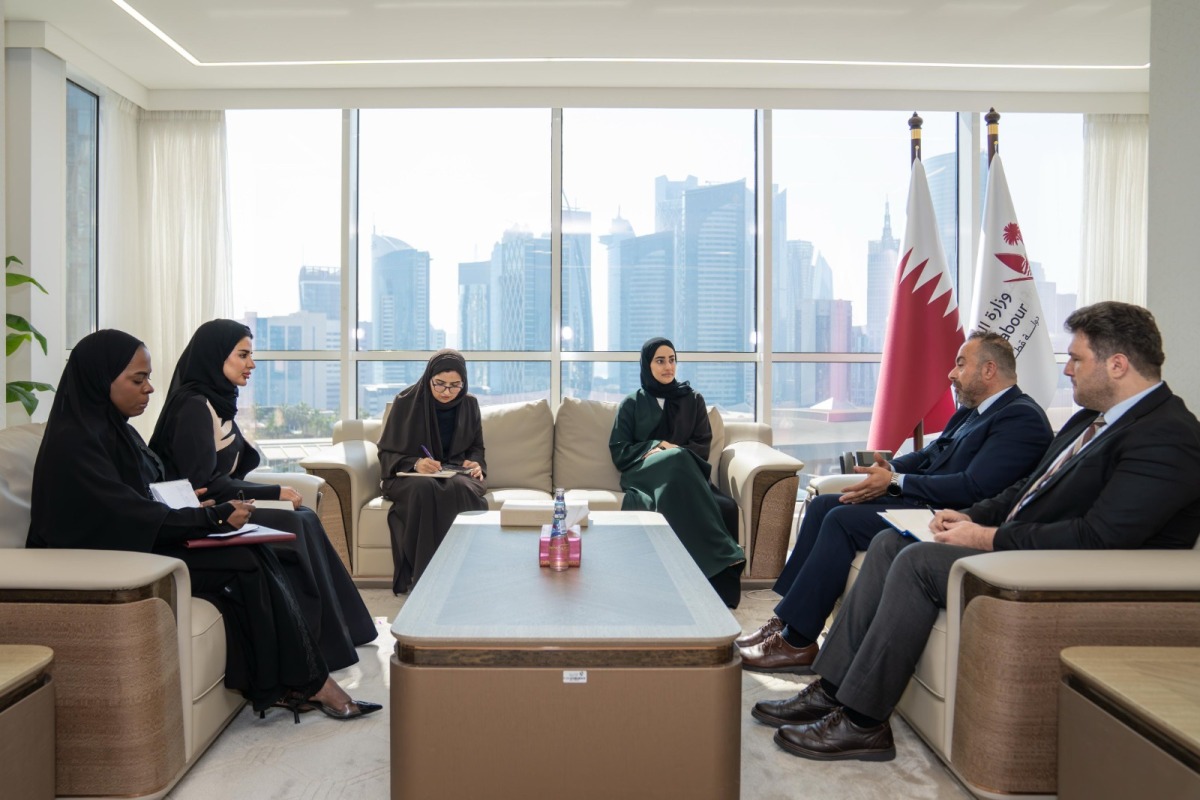

Doha, Qatar – A meeting between Sheikha Najwa bint Abdulrahman Al-Thani, Undersecretary of the Ministry of Labor, and Firas Adel Al Budeiri, Chief of Mission of the International Organization for Migration (IOM), took place in Doha this week. Discussions centered on strengthening labor migration cooperation between Qatar and the United Nations, with a focus on supporting and enhancing existing programs. The meeting underscores Qatar’s ongoing commitment to international partnerships in addressing workforce challenges.
The meeting, held at the Ministry of Labor headquarters, signals continued dialogue between Qatari officials and the IOM regarding worker welfare and the responsible recruitment of migrant workers. While specific details of the discussions were not publicly released, the focus on joint cooperation suggests a proactive approach to refining policies and practices. This collaboration is particularly relevant as Qatar continues to implement labor reforms.
Strengthening Qatar’s Labor Migration Framework
Qatar has been actively working to reform its labor laws and improve conditions for foreign workers in recent years, particularly in anticipation of and following the 2022 FIFA World Cup. These reforms have included abolishing the *kafala* system, introducing a minimum wage, and enhancing worker safety regulations. The IOM, as a leading intergovernmental organization in the field of migration, provides technical assistance and policy advice to member states, including Qatar.
Areas of Potential Collaboration
Several key areas likely formed the basis of discussion between Sheikha Najwa and Mr. Al Budeiri. These include:
Enhanced recruitment practices: Ensuring ethical and transparent recruitment processes, both in Qatar and in countries of origin, to prevent exploitation and human trafficking. This aligns with Qatar’s National Action Plan to Combat Human Trafficking.
Worker protection mechanisms: Strengthening systems for monitoring working conditions, addressing grievances, and providing access to justice for migrant workers. The Ministry of Labor has established several channels for workers to report abuses.
Skills development and integration: Supporting programs that enhance the skills of migrant workers and facilitate their integration into the Qatari labor market. This could involve vocational training and language courses.
However, challenges remain in fully implementing these reforms and ensuring consistent enforcement across all sectors. Independent reports continue to highlight issues related to wage delays, contract substitution, and limited access to legal remedies for some workers.
Additionally, Qatar’s demographic structure is heavily reliant on its expat workforce, making effective labor migration management crucial for its economic development. The country’s National Vision 2030 emphasizes sustainable development and human capital investment, which necessitates a well-regulated and ethical labor system.
Meanwhile, the IOM has been actively involved in supporting Qatar’s labor reforms through capacity-building initiatives and data collection. The organization’s expertise in migration management can assist Qatar in developing evidence-based policies and addressing emerging challenges. According to the IOM’s website, they work closely with governments to promote safe, orderly, and regular migration.
In contrast to previous years, Qatar has demonstrated a willingness to engage with international organizations and civil society groups on labor issues. This openness is seen as a positive step towards building a more transparent and accountable labor system. The Ministry of Labor has also been actively communicating its reforms and progress to the international community.
The meeting between Sheikha Najwa and Mr. Al Budeiri represents a continuation of this collaborative approach. The ministry said that both parties expressed their commitment to further strengthening their partnership in the coming period.
Looking ahead, the next steps will likely involve the development of specific joint initiatives and projects based on the discussions held during the meeting. It remains to be seen how these initiatives will be funded and implemented, and what specific timelines will be established. Monitoring the progress of these collaborations and assessing their impact on the lives of migrant workers will be crucial in evaluating the effectiveness of Qatar’s labor reforms.
International Organization for Migration (IOM)
Ministry of Labor (Qatar)
The Peninsula Qatar