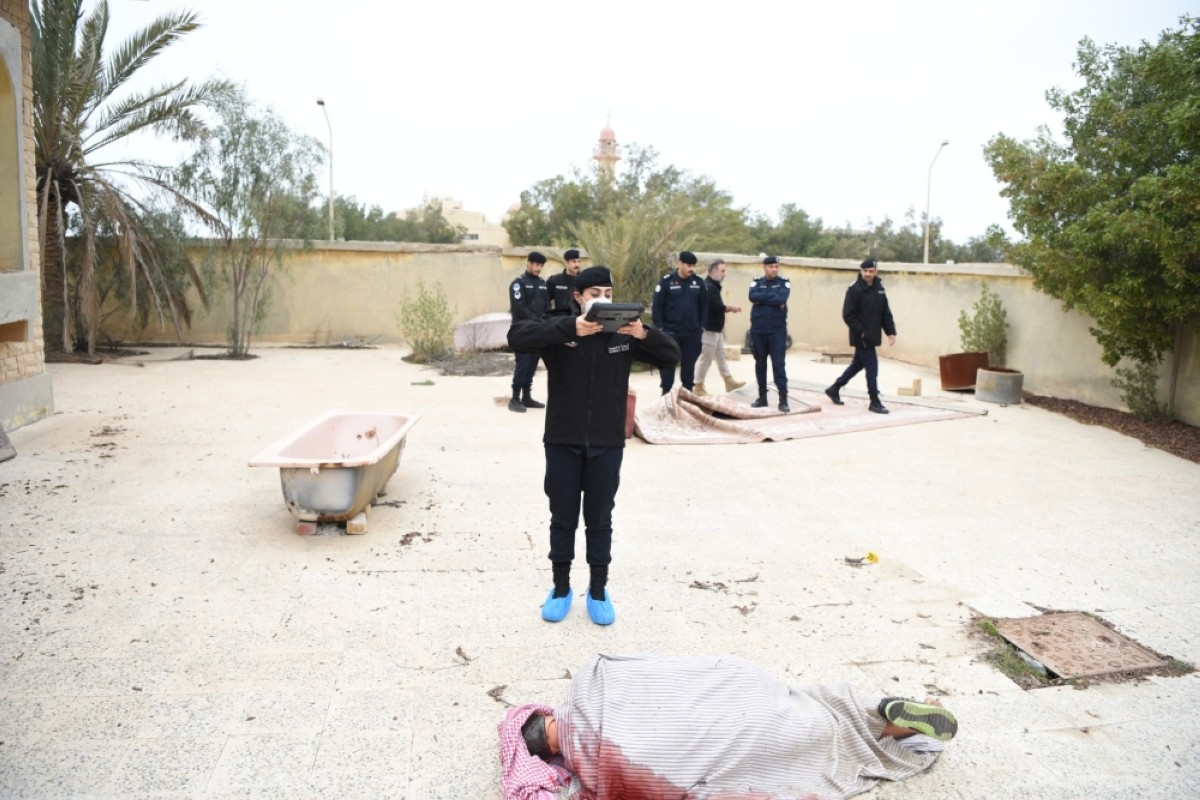

Kuwait’s commitment to national security was on full display this Wednesday with a large-scale, high-intensity field exercise conducted on Failaka Island. The drill, codenamed “Sharp Eye,” involved multiple specialized units of the Interior Ministry, demonstrating a proactive approach to maintaining order and readiness in even the most remote and challenging locations. This security exercise aimed to refine inter-agency cooperation and response capabilities, crucial for effective crime management and public safety.
Strengthening Kuwait’s Security Infrastructure: The “Sharp Eye” Drill
The “Sharp Eye” exercise wasn’t a routine practice; it was a meticulously planned simulation designed to test the limits of Kuwait’s security forces. Failaka Island, a historically significant but sparsely populated island off the Kuwaiti coast, provided the ideal environment for a realistic and demanding scenario. The participation of key departments – the Crime Scene Department, Forensic Department, Police Aviation Wing, Coast Guard, and the Directorate of Security Affairs – highlights the comprehensive nature of the preparation.
This collaborative effort underscores the Interior Ministry’s understanding that modern security challenges require a unified and coordinated response. Effective law enforcement training is paramount in a rapidly evolving world, and this drill served as a vital component of that ongoing process.
Simulating a Real-World Crisis: A Homicide Scenario
The core of the exercise revolved around a simulated homicide within a residential property on Failaka Island. This wasn’t a theoretical discussion; teams were tasked with responding as if the situation were genuinely unfolding. The initial phase focused on rapid scene security, a critical step in preserving evidence and preventing further escalation.
Detailed Evidence Collection and Preservation
Following the securement of the perimeter, technical experts from the Crime Scene Department and Forensic Department moved in to conduct a thorough investigation. The scenario demanded adherence to the highest scientific and professional standards in evidence collection, including fingerprint analysis, biological sample gathering, and meticulous documentation.
The importance of maintaining the chain of custody for all evidence was heavily emphasized. Proper evidence handling is not only essential for a successful prosecution but also for upholding the integrity of the entire Kuwaiti judicial system. The exercise provided a practical platform to reinforce these procedures.
Inter-Agency Coordination: A Key Focus of the Drill
A central objective of “Sharp Eye” was to enhance coordination between the various security units. The Police Aviation Wing played a crucial role in providing aerial surveillance and rapid transport of personnel and equipment. Meanwhile, the Coast Guard secured the maritime approaches to the island, preventing any potential interference or escape routes.
This level of integration is vital, particularly in a geographically diverse country like Kuwait. The ability of these specialized teams to communicate effectively and operate seamlessly together significantly improves the overall response time and effectiveness in crisis situations. The exercise allowed for the identification of potential bottlenecks in communication and workflow, paving the way for future improvements.
The Role of Technology and Forensic Science
The “Sharp Eye” drill also served as a showcase for the advanced technology and forensic capabilities at the disposal of Kuwait’s security forces. The Forensic Department utilized state-of-the-art equipment for analyzing evidence, while the Police Aviation Wing employed drones for enhanced situational awareness.
This investment in technology reflects a broader trend towards modernization within the Interior Ministry. By embracing innovation, Kuwait is strengthening its ability to investigate crimes, gather intelligence, and protect its citizens. Furthermore, the exercise likely involved testing new protocols for digital forensics, an increasingly important aspect of modern crime investigation.
Demonstrating Readiness and Commitment
According to an Interior Ministry spokesperson, the “Sharp Eye” exercise unequivocally demonstrated Kuwait’s commitment to maintaining “top-level readiness and operational coordination across all security sectors.” The successful execution of the drill, despite the logistical challenges of operating on a remote island, is a testament to the dedication and professionalism of the participating personnel.
This proactive approach to security preparedness is essential for safeguarding Kuwait’s stability and prosperity. By regularly testing and refining its response capabilities, the Interior Ministry is ensuring that the country is well-equipped to handle any potential threat. The lessons learned from this security exercise will undoubtedly be incorporated into future training programs and operational procedures.
In conclusion, the “Sharp Eye” drill on Failaka Island was a significant undertaking that showcased Kuwait’s dedication to national security. The exercise’s focus on inter-agency coordination, advanced technology, and realistic scenario simulation highlights a commitment to preparedness and a proactive approach to safeguarding the nation. We encourage readers to stay informed about Kuwait’s ongoing efforts to enhance its security infrastructure and contribute to a safer future for all.