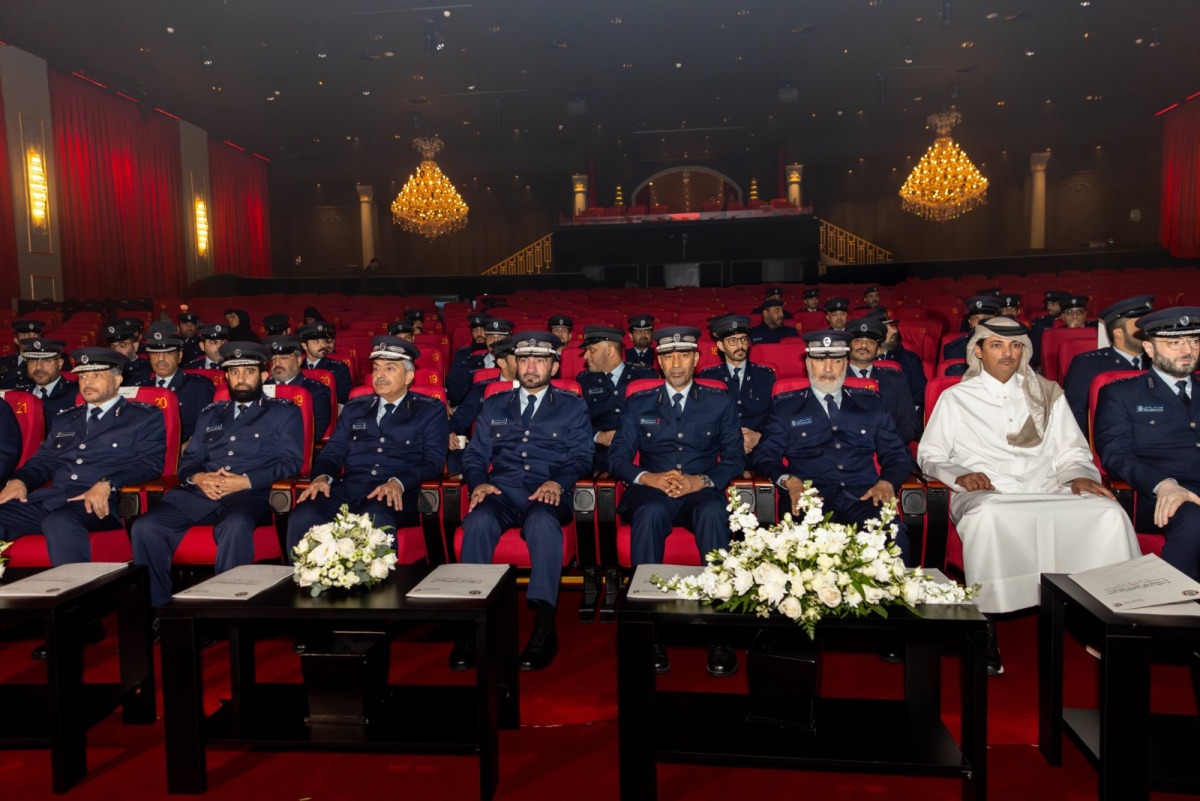

Doha, Qatar – The Ministry of Interior (MOI) of Qatar is hosting the Unified Gulf Inmates Week 2025, focusing on inmate rehabilitation, from December 22nd to 25th. The annual event, running under the slogan “Towards the Path of Reform,” aims to highlight regional efforts to reintegrate former offenders back into society through education, training, and skill development. This year’s iteration includes an awareness exhibition open to the public.
The opening ceremony, held at the U-Venue Theater on December 22nd, drew high-level officials including Director General of Public Security Major General Mohammed Jassim Al Sulaiti and Director of the Correctional and Rehabilitation Institutions Department Major General Nasser Mohammed Issa Al Sayed, alongside representatives from various participating organizations. The event underscores Qatar’s commitment to progressive penal policies and restorative justice practices within the Gulf Cooperation Council (GCC).
Focus on Inmate Rehabilitation Across the GCC
The Gulf Inmates Week is a coordinated initiative among GCC member states to promote best practices in inmate rehabilitation and correctional services. According to the Ministry of Interior, the initiative seeks to improve public understanding of the challenges faced by individuals within the justice system and the ongoing work to facilitate their successful return to civilian life. This year’s event emphasizes the crucial role of community support in the reform process.
A central component of the week’s activities is an awareness exhibition at Villaggio Mall, showcasing artwork, crafts, and other creations produced by inmates. This exhibition, open daily from 10 am to 10 pm until December 25th, provides a platform for inmates to demonstrate their acquired skills and a visual representation of their progress through rehabilitation programs.
Programs Supporting Reintegration
Qatar’s Correctional and Rehabilitation Institutions Department operates a wide range of programs designed to address the underlying factors contributing to criminal behavior, officials say. These programs include educational courses, vocational training, psychological counseling, and religious guidance. The goal is to equip inmates with the tools and resources they need to lead law-abiding and productive lives upon release.
Collaboration with various governmental and non-governmental organizations is a cornerstone of Qatar’s rehabilitation strategy. Participating entities in the current week include the Ministry of Endowments and Islamic Affairs, the Ministry of Social Development and Family, the Ministry of Sports and Youth, and the Qatar Red Crescent Society. This integrated approach ensures a comprehensive network of support for inmates throughout their journey towards reform.
Major General Nasser Mohammed Issa Al Sayed, Director of the Penal and Correctional Institutions Department, stated that the event demonstrates the institution’s dedication to refining these programs and showcasing the positive impact of improved behavioral development initiatives. He emphasized that prisoner reform is a fundamental pillar of their mission, and successful reintegration requires empowering inmates to take responsibility and contribute positively to society.
Assistant Director Colonel Yousef Bilal Al Abdullah added that the week serves as an important reminder of the necessity for both institutional and communal engagement in offering inmates a genuine second chance. He stressed the importance of family and community support as vital components of a successful rehabilitation process.
A theatrical performance at the opening ceremony depicted the challenges faced by inmates and the positive effects of supportive interventions. The performance highlighted the need for a shift in societal perceptions towards former offenders, advocating for trust, understanding, and inclusivity as key elements of effective reintegration.
The focus on skills development during Inmate Week is part of broader efforts to address unemployment among ex-offenders, a significant factor contributing to recidivism. The Ministry of Interior initiatives, coupled with programs from partner organizations, seek to enhance employability and reduce the likelihood of re-offending.
Looking ahead, organizers will assess the impact of the public awareness exhibition and gather feedback from participating entities. Future events may incorporate expanded outreach programs and explore innovative approaches to offender rehabilitation. Continued monitoring of recidivism rates and program effectiveness will be critical to informing ongoing improvements to Qatar’s correctional system.