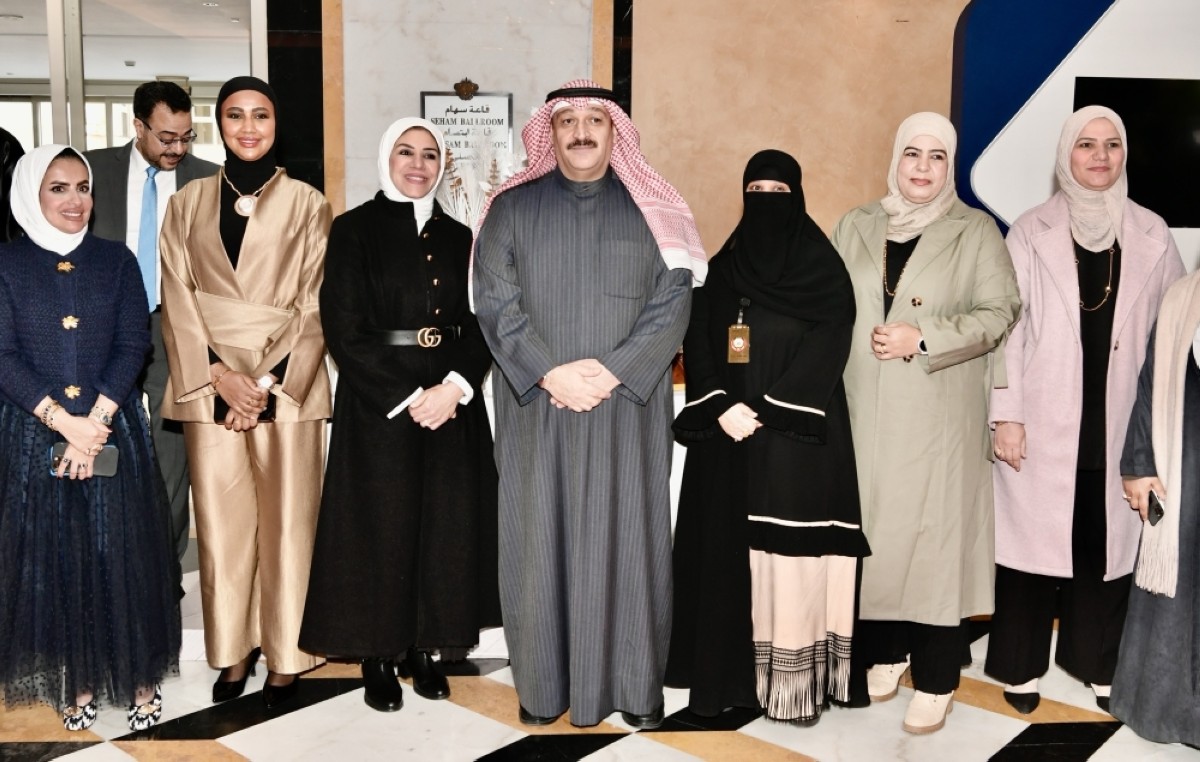

Kuwait is significantly enhancing its cancer care capabilities, with a recent announcement from the Minister of Health, Dr. Ahmad Al-Awadhi, detailing a modernized treatment plan for cancer patients incorporating cutting-edge biological therapies. These advancements, offered for the first time in specific specialties within the country, signal a strong commitment to providing world-class oncology services to the Kuwaiti population. The updates were unveiled during the inaugural Kuwait Conference on Gynecological and Urological Oncology, highlighting the nation’s dedication to staying at the forefront of medical innovation.
Kuwait’s New Approach to Cancer Treatment
The Ministry of Health’s updated strategy centers around the integration of new, globally recognized biological therapies administered subcutaneously. This represents a significant step forward in cancer treatment options available to patients in Kuwait. Dr. Al-Awadhi emphasized that this move is part of a broader initiative to support modern treatments and embrace the latest technologies in the fight against cancer.
This commitment extends beyond simply adopting new therapies. It encompasses a holistic approach to cancer care, focusing on early detection, comprehensive treatment, and improved patient quality of life. The ministry recognizes the importance of a patient-centered healthcare system, prioritizing accurate diagnosis, advanced treatment, and specialized care.
The Role of the Kuwait Cancer Control Center (KCCC)
Central to this enhanced strategy is the newly established Kuwait Cancer Control Center (KCCC). Equipped with state-of-the-art technology, the KCCC is poised to become a cornerstone of the country’s healthcare system. The center isn’t just about advanced equipment; it’s about developing national talent and leveraging international expertise.
A key partnership with Gustave Roussy Hospital in France underscores this commitment. This global agreement will facilitate knowledge transfer and collaboration, ensuring Kuwaiti physicians, nurses, technicians, and administrators have access to the best practices in oncology. The KCCC will provide comprehensive diagnostic and treatment services, alongside vital scientific research, medical personnel training, and public awareness campaigns focused on early detection and prevention.
Advancing Oncology Through Collaboration and Expertise
The Kuwait Conference on Gynecological and Urological Oncology served as the ideal platform to announce these advancements. The conference brought together leading experts and consultants from Kuwait and abroad, fostering a high-level scientific exchange of experiences and the latest developments in tumor diagnosis and treatment. This collaborative environment is crucial for enhancing the quality of healthcare provided to cancer patients across the country.
Dr. Mariam Al-Otaibi, Head of the Conference Organizing Committee, highlighted the conference’s role as a leading scientific platform. She emphasized Kuwait’s growing influence on the global oncology map, driven by proactive awareness programs, early detection initiatives, and the provision of cutting-edge treatments. Kuwait’s success story is increasingly recognized in international forums, serving as a model for other nations.
Improving Patient Outcomes with Early Detection
The Ministry of Health’s focus on early detection is a critical component of its strategy. Dr. Al-Awadhi noted that early detection significantly improves recovery rates, exceeding 70% in many cases for certain tumors and reaching 90% in others. This is particularly impactful for diseases affecting women’s health, families, and society as a whole.
The rapid development of medical care concepts in recent years, based on accurate diagnosis and specialized care, is directly contributing to these improved outcomes. A new specialized cancer treatment center, currently under development, will further accelerate treatment procedures and enhance healthcare quality, equipped with the latest technologies and adhering to the highest international standards.
Investing in Human Capital for Long-Term Success
The success of the KCCC and the broader cancer care initiative hinges on the dedication and expertise of its workforce. Dr. Al-Awadhi emphasized the significant investment the state has made in both Kuwaiti and non-Kuwaiti human resources – doctors, surgeons, nurses, technicians, and administrators. These national cadres represent the most important element in confronting the disease.
The Ministry’s commitment to continuous professional development and specialization ensures that medical staff remain at the forefront of scientific advancements. This dedication to precision and keeping pace with rapid scientific development directly translates to improved patient care and increased survival rates. The ongoing investment in training and education is vital for sustaining the long-term success of Kuwait’s oncology programs.
In conclusion, Kuwait is making substantial strides in its fight against cancer. The introduction of new biological therapies, the establishment of the state-of-the-art KCCC, and a strong emphasis on collaboration and human capital development demonstrate a clear commitment to providing world-class cancer care to its citizens. These advancements promise to improve patient outcomes, enhance quality of life, and solidify Kuwait’s position as a regional leader in oncology. For more information on cancer prevention and treatment options in Kuwait, please visit the Ministry of Health’s website.