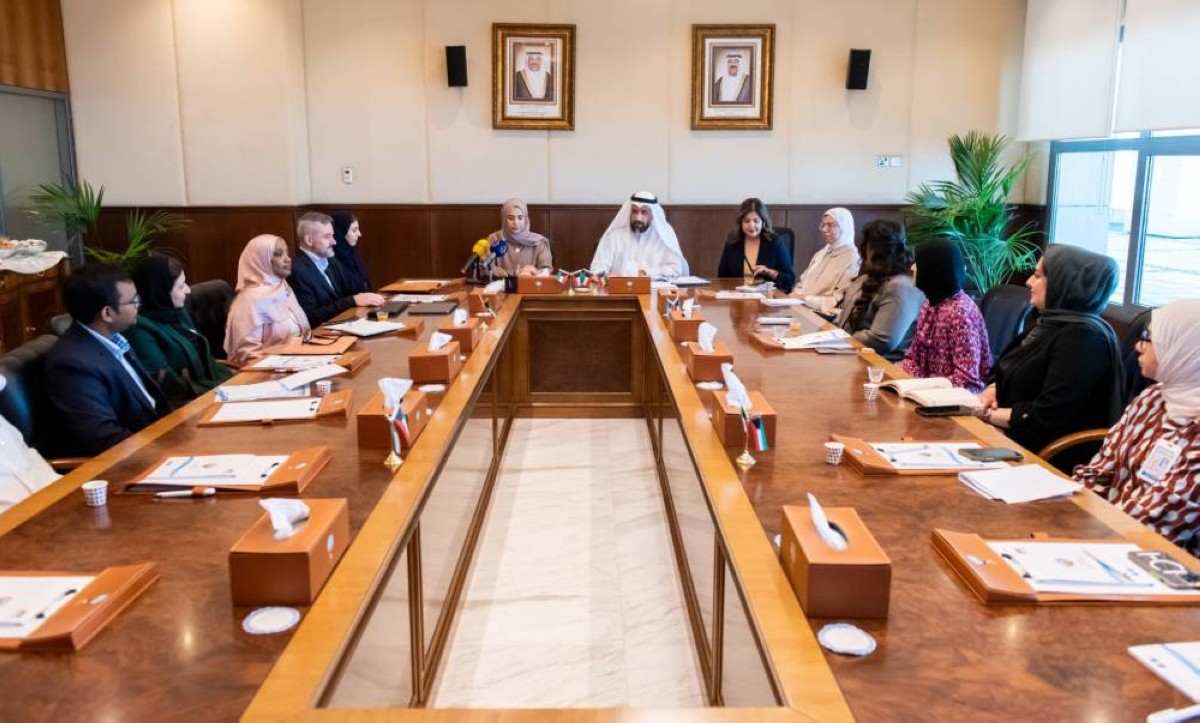

Kuwait is taking significant steps to bolster its fight against cancer, with a recent collaborative effort involving international health organizations. The Ministry of Health (MoH) recently hosted teams from the Gulf Center for Disease Prevention and Control (GCDC) and the International Agency for Research on Cancer (IARC) to evaluate and enhance the nation’s early cancer detection programs. This initiative underscores Kuwait’s commitment to proactive healthcare and improved patient outcomes.
Strengthening Kuwait’s Early Cancer Detection Capabilities
The three-day visit, commencing with a meeting at the Kuwait Institute for Medical Specializations, represents a crucial phase in ongoing collaboration. Kuwaiti experts in early cancer detection convened with the international teams to share insights and discuss current strategies. The focus isn’t simply on identifying existing programs, but on a comprehensive assessment of their effectiveness and potential for improvement.
This collaborative approach is vital, as cancer remains a significant public health challenge globally and within the Gulf region. Investing in preventative measures and early diagnosis is demonstrably more effective – and less costly – than treating advanced stages of the disease.
A Multi-Level Assessment of Healthcare Facilities
The assessment wasn’t confined to a single location. Teams conducted field visits to a range of healthcare facilities, spanning primary, secondary, and specialized care levels. This broad scope allowed for a thorough review of the entire patient journey, from initial screening to diagnosis and referral.
The Ministry of Health explained that the review process included a detailed examination of service pathways. This means mapping out how patients navigate the system, identifying potential bottlenecks, and ensuring seamless coordination between different healthcare providers. Interviews with specialists and healthcare professionals provided valuable qualitative data, offering insights into the challenges and successes of current practices.
Developing a National Action Plan for Cancer Prevention
The ultimate goal of this joint effort is to formulate practical recommendations that will form the foundation of a robust national action plan. This plan will be specifically tailored to improve the quality and accessibility of early cancer detection services across Kuwait. It’s a proactive step towards reducing cancer incidence and mortality rates.
However, the collaboration extends beyond simply identifying areas for improvement. The international teams are also committed to capacity building, recognizing the importance of a skilled and knowledgeable healthcare workforce. This includes providing training for lead trainers, not only from Kuwait but also from other Gulf Cooperation Council (GCC) countries.
Regional Collaboration and Expertise
This regional focus is particularly significant. By sharing expertise and best practices, the GCDC and IARC are helping to strengthen cancer prevention efforts throughout the GCC. This collaborative spirit fosters a unified approach to tackling a shared health challenge. The training initiatives will equip healthcare professionals with the latest knowledge and skills in areas like cancer screening protocols and diagnostic techniques. This will ultimately lead to more accurate diagnoses and more effective treatment plans.
The importance of cancer screening cannot be overstated. Regular screenings, tailored to individual risk factors, can detect cancer at its earliest stages, when treatment is most likely to be successful. This initiative aims to ensure that these vital screening programs are readily available and accessible to all Kuwaiti citizens.
The Role of Preventative Healthcare
Alongside early detection, the Ministry of Health is also emphasizing the importance of preventative healthcare measures. This includes promoting healthy lifestyles, encouraging regular physical activity, and raising awareness about risk factors associated with various types of cancer. Public health campaigns play a crucial role in empowering individuals to take control of their health and make informed decisions.
Additionally, research into the specific cancer patterns within Kuwait is ongoing. Understanding the local epidemiology of cancer is essential for tailoring prevention strategies and allocating resources effectively. This data-driven approach ensures that efforts are focused on the areas where they will have the greatest impact.
In conclusion, Kuwait’s collaboration with the GCDC and IARC represents a significant investment in the future of its healthcare system. By focusing on early cancer detection, capacity building, and preventative measures, the Ministry of Health is demonstrating a strong commitment to improving the health and well-being of its citizens. The resulting national action plan promises to be a pivotal step in reducing the burden of cancer in Kuwait and across the GCC region. To learn more about cancer prevention and screening guidelines, visit the Ministry of Health’s website or consult with your healthcare provider.