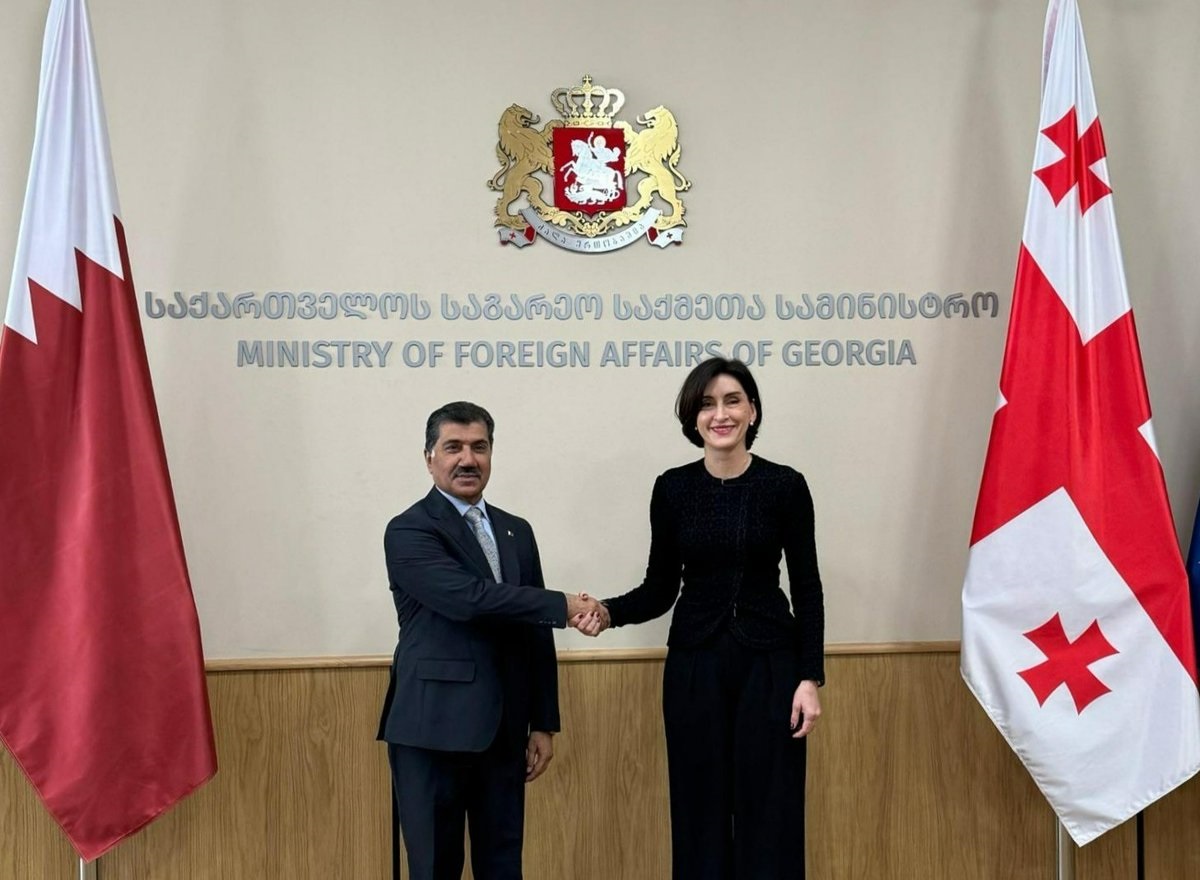

Qatar and Georgia are strengthening diplomatic ties, as evidenced by a recent meeting between Qatari and Georgian foreign affairs officials in Tbilisi. Secretary General of the Ministry of Foreign Affairs of Qatar, HE Dr. Ahmed bin Hassan Al Hammadi, met with Georgian Minister of Foreign Affairs, HE Maka Bochorishvili, to discuss Qatar-Georgia relations and areas of mutual interest. The visit signals a continued commitment to bilateral cooperation between the two nations.
The meeting took place in Tbilisi, Georgia, on January 30, 2024, according to a statement released by the Qatari Ministry of Foreign Affairs. Discussions centered on existing collaborative efforts and potential avenues for expanded partnership. This engagement comes amid growing regional and international focus on the Caucasus region and its economic potential.
Strengthening Qatar-Georgia Relations
The discussions between Dr. Al Hammadi and Minister Bochorishvili reportedly covered a range of topics, including economic development, cultural exchange, and regional security. While specific details of the conversations were not disclosed, the meeting underscores the importance both countries place on maintaining positive diplomatic relations. Qatar has been actively diversifying its international partnerships, and Georgia represents a strategically important country in the Caucasus.
Economic Cooperation
Trade between Qatar and Georgia, while currently modest, has been steadily increasing in recent years. According to data from the Georgian National Statistics Office, bilateral trade volume reached approximately $35 million in 2023. Qatar’s investment in Georgia’s tourism sector and infrastructure projects is also growing, reflecting a broader interest in the country’s economic prospects. Further investment is expected in areas like logistics and transportation.
Regional Security Concerns
The meeting likely addressed regional security challenges, including the ongoing conflicts in Ukraine and the broader geopolitical landscape. Both Qatar and Georgia share an interest in promoting stability and peaceful resolutions to disputes. Qatar has consistently advocated for diplomatic solutions to international crises, while Georgia faces its own security concerns related to territorial integrity and regional stability. The discussions may have touched upon collaboration on counter-terrorism efforts and information sharing.
Additionally, the officials likely discussed opportunities for increased collaboration in areas such as education and cultural exchange. Qatar has a strong commitment to promoting education and cultural understanding, and Georgia offers a rich cultural heritage and growing educational institutions. These exchanges could foster stronger people-to-people ties and contribute to a deeper understanding between the two countries.
However, challenges remain in fully realizing the potential of bilateral ties. Logistical hurdles and differing regulatory frameworks can sometimes impede trade and investment. Overcoming these obstacles will require continued dialogue and a commitment to streamlining processes on both sides. The development of a more robust legal framework for investment protection could also encourage greater Qatari investment in Georgia.
Meanwhile, Georgia is actively seeking to strengthen its position as a transit hub connecting Europe and Asia. This ambition aligns with Qatar’s own strategic interests in diversifying trade routes and enhancing connectivity. The potential for collaboration on infrastructure projects, such as ports and railways, could be mutually beneficial. This could also boost diplomatic engagement between the two countries.
In contrast to some regional relationships, Qatar and Georgia have maintained a consistently positive and constructive dialogue. This is partly due to a shared commitment to international law and a pragmatic approach to foreign policy. The recent meeting reinforces this trend and suggests a willingness to deepen cooperation across multiple sectors.
Looking ahead, the Qatari Ministry of Foreign Affairs has not announced any immediate follow-up meetings or specific agreements resulting from the Tbilisi discussions. However, officials from both countries are expected to continue engaging in regular consultations to explore further opportunities for collaboration. The progress of ongoing investment projects and the development of new trade initiatives will be key indicators to watch in the coming months. The long-term impact of this strengthened partnership remains to be seen, but it represents a positive step towards greater regional cooperation.