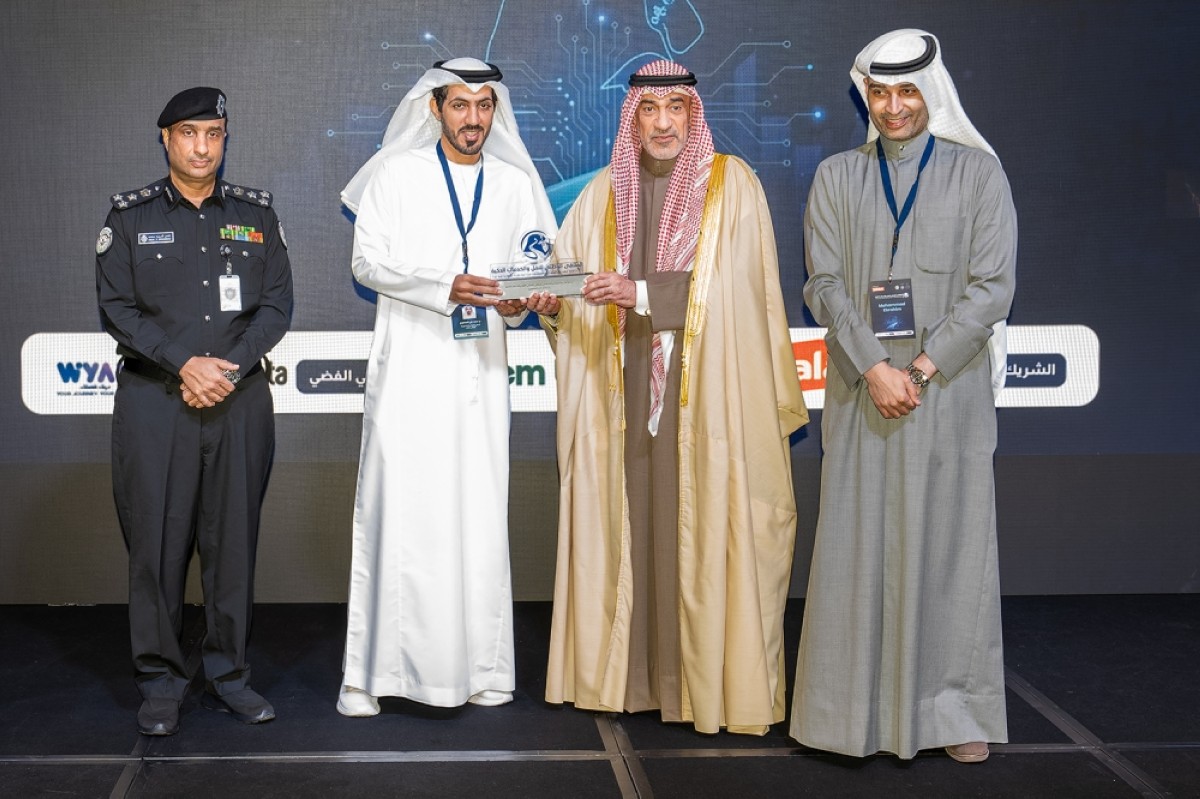

Kuwait is poised to revolutionize its transportation system, aiming for faster, less stressful commutes through the integration of cutting-edge technologies. From artificial intelligence (AI) to the Internet of Things (IoT) and big data analytics, the potential to reshape urban mobility is significant. This shift isn’t just about convenience; it’s about improving road safety, reducing congestion, and building a more sustainable future for Kuwait’s growing cities. Recent discussions, including the National Forum for Transport and Smart Services, highlight the urgent need for updated laws and regulations to facilitate this technological leap.
The Rise of Smart Transportation in Kuwait
The concept of smart transportation centers around leveraging technology to optimize how people and goods move within urban environments. It’s a holistic approach that addresses congestion, enhances route planning, and minimizes environmental impact – all crucial considerations for a rapidly developing nation like Kuwait. As highlighted in the 2024 book Smart Cities by the King Abdullah Petroleum Studies and Research Center, the region is increasingly recognizing the transformative power of these technologies.
Sheikh Fahad Al-Yousef Saud Al-Sabah, First Deputy Prime Minister and Minister of Interior, emphasized the importance of strengthening partnerships with the private sector and modernizing legislation to unlock the full potential of smart transport solutions. This collaborative approach is vital for successful implementation.
Key Technologies Driving the Change
Several key technologies are converging to make smart transportation a reality.
- Artificial Intelligence (AI): AI algorithms can analyze traffic patterns in real-time, predict congestion, and optimize traffic signal timing for smoother flow. They also power advanced driver-assistance systems (ADAS) and, eventually, autonomous vehicles.
- Internet of Things (IoT): IoT devices, such as sensors embedded in roads and vehicles, collect vast amounts of data about traffic conditions, parking availability, and vehicle performance. This data feeds into AI systems for analysis and decision-making.
- Big Data Analytics: The sheer volume of data generated by IoT devices requires powerful analytics tools to extract meaningful insights. Big data helps identify trends, predict future demand, and optimize transportation networks.
- Blockchain: While less immediately visible, blockchain technology can enhance the security and transparency of transportation systems, particularly in areas like supply chain management and vehicle registration.
Improving the Commute: Practical Applications
The benefits of smart transportation extend to various aspects of the daily commute. These aren’t futuristic concepts; many are already being deployed in cities around the world, offering valuable lessons for Kuwait.
Safer Roads and Reduced Accidents
One of the most significant advantages of smart technology is improved road safety. Vehicle-to-vehicle (V2V) and vehicle-to-infrastructure (V2I) communication systems can warn drivers about potential hazards, such as sudden stops, lane changes, school zones, or road workers. Smart traffic signals can also prioritize emergency vehicles, reducing response times and potentially saving lives.
Streamlined Traffic Flow and Reduced Congestion
Smart traffic signals that adjust in real-time based on traffic conditions are a cornerstone of congestion management. Additionally, intelligent route planning apps, powered by AI and real-time data, can guide drivers along the most efficient routes, avoiding bottlenecks and delays. This also contributes to lower fuel consumption and reduced emissions.
Enhanced Public Transportation
Public transport is becoming increasingly user-friendly thanks to smart technologies. On-demand bus services, accessible through mobile apps, offer greater flexibility and convenience. Smart cards and smartphone ticketing eliminate the need for paper tickets, while real-time updates provide passengers with accurate arrival and departure information. Integrated digital platforms allow for seamless trip planning combining various modes of transport – buses, trains, taxis, and bikes. This focus on mobility as a service is a key trend in modern urban planning.
Solving the Parking Problem
Finding parking in congested cities is a major source of frustration. Smart parking systems utilize sensors and mobile apps to display available spaces, compare prices, enable reservations, and automate payments. This reduces circling time, minimizes congestion, and improves the overall parking experience.
Kuwait’s Path Forward: Collaboration and Regulation
The National Forum for Transport and Smart Services underscored the importance of collaboration between public institutions and private companies. Sheikh Fahad Al-Yousef Al-Sabah specifically highlighted the success of Abu Dhabi’s Integrated Transport Centre as a model for Kuwait to emulate.
However, technological innovation alone isn’t enough. Kuwait needs to update its legal and regulatory framework to accommodate these new technologies and encourage investment in smart transportation infrastructure. This includes addressing data privacy concerns, establishing standards for interoperability, and creating a supportive environment for innovation. The development of a robust smart city strategy, encompassing transportation, energy, and other vital services, is crucial for Kuwait’s future.
In conclusion, the integration of AI, IoT, and big data into Kuwait’s transportation system holds immense promise for creating faster, less stressful, and more sustainable commutes. By embracing these technologies, fostering public-private partnerships, and modernizing its regulatory framework, Kuwait can position itself as a leader in smart mobility and enhance the quality of life for its citizens. The time to invest in a smarter future for Kuwait’s transportation is now.