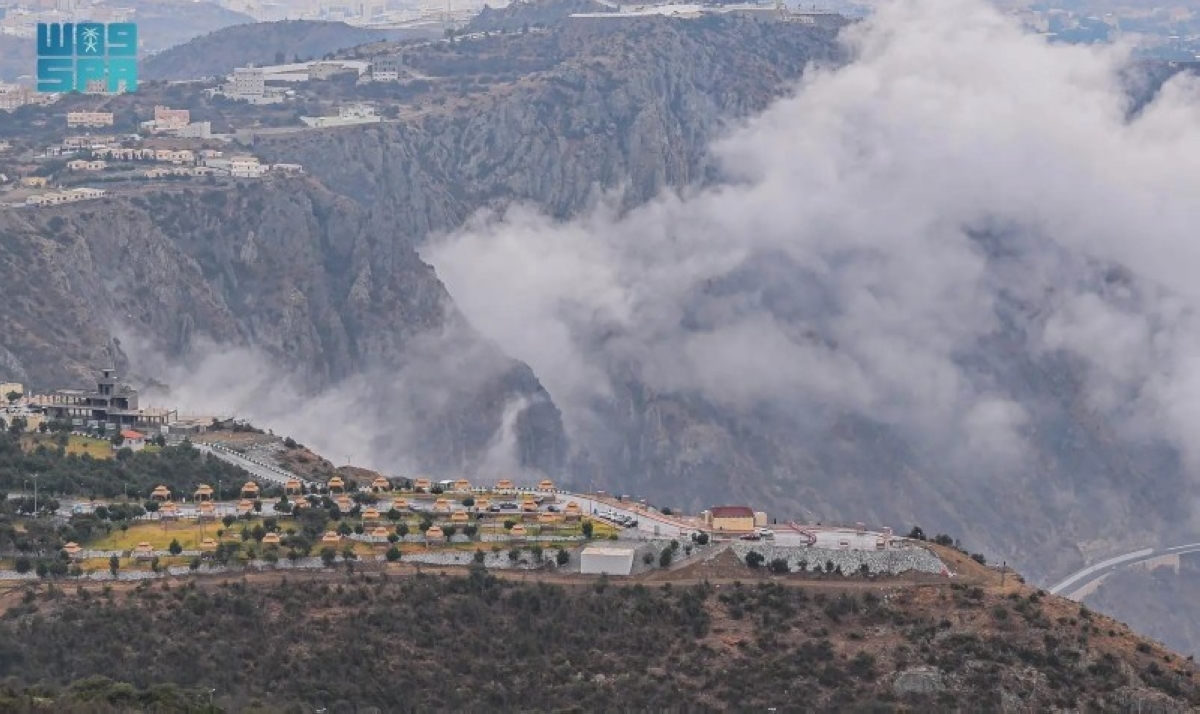

Saudi Arabia is bracing for significant rainfall across multiple regions starting Sunday, December 7, according to the National Center for Meteorology (NCM). The anticipated weather event is expected to impact the northwest, north, and parts of central and eastern provinces, potentially leading to localized flooding and disruption to daily activities. Residents in affected areas are advised to stay informed of the latest updates and take necessary precautions.
The NCM’s forecast identifies eight regions likely to experience moderate to heavy rainfall: Tabuk, Al-Jouf, the Northern Borders, Madinah, Makkah, Hail, Al-Qassim, and the northern reaches of the Eastern Province. The duration of the precipitation is currently estimated to span several days, though specific timing and intensity may vary. Authorities have indicated they are prepared to respond to weather-related incidents.
Understanding the Expected Rainfall Pattern
The predicted rainfall is linked to an approaching weather system interacting with existing atmospheric conditions over the Arabian Peninsula. The NCM notes a higher probability of showers and thunderstorms in mountainous areas and along the Red Sea coast within the identified regions. This is due to orographic lift – where air is forced to rise over mountains, cooling and condensing to form precipitation.
Regional Variations in Precipitation
While all eight regions are under a weather watch, experts anticipate differing levels of impact. Tabuk, Al-Jouf and the Northern Borders regions, known for cooler temperatures, could see a mixture of rain and, in higher elevations, potentially snow. The central regions of Hail and Al-Qassim are expected to receive more substantial rainfall amounts, increasing the risk of flash floods.
The eastern part of the country, generally drier than western Saudi Arabia, is expected to see the lowest amount of precipitation. However, even moderate rainfall in the northern Eastern Province could lead to localized challenges, given the region’s typically arid landscape and limited drainage infrastructure.
Saudi Arabia’s climate is characterized by extreme heat and aridity, with most of the country receiving very little annual precipitation. Rainfall events, particularly those of moderate to heavy intensity, are relatively infrequent and often lead to significant disruptions. Recent years have seen increased efforts to improve weather forecasting and disaster preparedness throughout the Kingdom.
The NCM has been actively updating its forecasts and issuing warnings through its various channels, including its website, social media platforms, and official media outlets. They are employing advanced meteorological models and radar technology to track the movement of the weather system. This data allows for more accurate predictions about the timing and location of the heaviest downpours and associated hazards.
Local authorities within the affected regions are coordinating preparedness measures. These include clearing drainage channels, deploying emergency response teams, and disseminating safety information to the public. The focus is on minimizing potential damage and ensuring the safety of residents. The potential for disruption to transportation networks, particularly highways and secondary roads, is being closely monitored.
Additionally, the Ministry of Environment, Water and Agriculture is monitoring water levels in dams and reservoirs across the areas expected to receive significant rainfall. They will be prepared to release water from dams if levels rise to dangerous thresholds, mitigating the risk of dam failures and downstream flooding.
The potential impact on major cities like Medina and Mecca is being carefully considered. While the forecast doesn’t necessarily indicate rainfall directly over the holy sites, overflow from surrounding areas, particularly in the mountainous regions east of Mecca, could create issues. The authorities are implementing preventative plans and increasing staff to maintain public safety during anticipated increased foot traffic.
The tourism sector may also experience some temporary effects. Outdoor activities in affected regions could be curtailed, and travel plans may need to be adjusted. Travelers are strongly encouraged to check the latest weather forecasts and heed any warnings issued by the authorities. Updates on potential travel disruptions will be provided through official channels.
Looking ahead, the NCM will continue to closely monitor the developing weather situation and provide updated forecasts and warnings as necessary. The immediate focus is on refining the precipitation estimates and identifying areas at highest risk of flash flooding. Precise timing and the total accumulation of rainfall remain subject to change as the system progresses, and citizens are advised to follow the latest advisories from the NCM for the most current information until the weather event subsides.
Authorities will assess the effects of the rainfall in the days following the event to inform future preparedness and infrastructure improvements.
For more information, visit the National Center for Meteorology’s website.