
Mobileye, a leading provider of vision-based driver assistance systems, announced a $900 million acquisition of robotics startup Mentee Robotics on Tuesday. The move, revealed at CES in Las Vegas, signals a significant expansion of Mobileye’s focus into the broader field of robotics and its ambition to develop “Physical AI.” This acquisition positions the Intel subsidiary to compete in the rapidly evolving humanoid robot market alongside companies like Tesla and Figure AI.
Mobileye Diversifies with Major Robotics Acquisition
The deal, which involves approximately $612 million in cash and up to 26.2 million shares of Mobileye stock, aims to integrate Mentee Robotics’ expertise in humanoid robots with Mobileye’s established strength in automotive autonomy and artificial intelligence. Mobileye co-founder and president Amnon Shashua also co-founded Mentee Robotics in 2022, but recused himself from the board’s approval process to avoid a conflict of interest, according to the company. The transaction needs approval from Intel, Mobileye’s largest shareholder, and is expected to close in the first quarter of 2024.
Expanding Beyond Automotive
For Mobileye, the acquisition represents a strategic shift toward applying its AI technology beyond the automotive sector. The company has built a substantial business providing chips and software for advanced driver-assistance systems (ADAS) to automakers worldwide. However, the path to full autonomous driving has proven complex and expensive.
This diversification into robotics allows Mobileye to leverage its investments in AI and computer vision in a growing, albeit competitive, market. The company frames this as “Physical Artificial Intelligence,” focusing on systems capable of understanding context and interacting naturally with the physical world. Additionally, the deal provides access to new revenue streams and expands Mobileye’s total addressable market.
Mentee Robotics: A Key Piece of the Puzzle
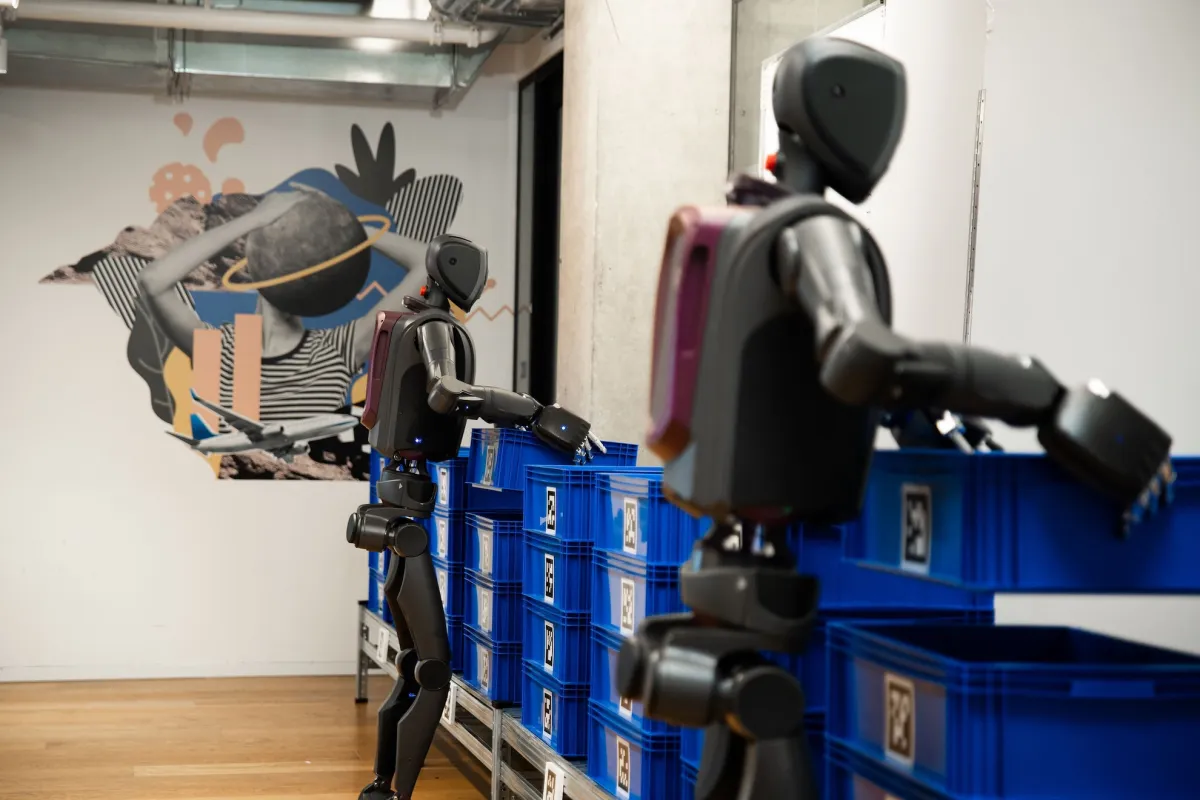
Mentee Robotics, though relatively young, is developing sophisticated humanoid robots. These robots are designed to address labor shortages and improve efficiency in a range of industries. Integrating Mentee’s hardware and software expertise with Mobileye’s AI infrastructure – particularly its computing power for training AI models – is expected to accelerate the development cycle.
This could result in more capable and commercially viable humanoid robots. Mentee will continue operating as an independent unit within Mobileye, potentially retaining its distinct brand identity while benefiting from the larger company’s resources. Experts believe that the access to substantial compute resources will be particularly valuable for Mentee’s progress.
Strong Automotive Pipeline Supports Investment
Mobileye currently boasts an automotive revenue pipeline of $24.5 billion over the next eight years, an increase of over 40% compared to January 2023. This robust pipeline provides a financial foundation for the substantial investment required for robotics development. The company anticipates that the acquisition will only modestly increase operating expenses, projecting a low-single-digit percentage rise in 2026.
Meanwhile, Mobileye continues to strengthen its core automotive business. Just a day before announcing the Mentee acquisition, the company revealed a new agreement with a top-10 automaker to supply 9 million of its EyeQ6H-based Surround ADAS systems. Volkswagen Group is already confirmed as a customer for the chip. This brings Mobileye’s projected delivery of EyeQ6H-based Surround systems to over 19 million units. This reinforces Mobileye’s continued success in the ADAS market.
Looking Ahead: Integration and the Future of Robotics
The next several months will be critical as Mobileye works to complete the acquisition of Mentee Robotics and begin integrating the two companies. Analysts will be closely watching how Mobileye manages the different technological focuses and corporate cultures. The success of this venture will depend on effectively leveraging synergies between the two entities and navigating the challenges inherent in bringing humanoid robots to market. The timeline for commercially available robots remains uncertain, though Shashua’s ambition indicates a relatively aggressive development schedule. Competition within the humanoid robot sector is also intensifying, creating potential headwinds for Mobileye.
The broader trend toward artificial intelligence and autonomous systems continues to drive innovation in both the automotive and robotics industries. Mobileye’s move underscores the potential for cross-pollination between these fields, and its progress will be indicative of the wider landscape. The development of computer vision technology will be a vital element to the success of Mobileye’s robotics ambitions, building upon its core strengths.