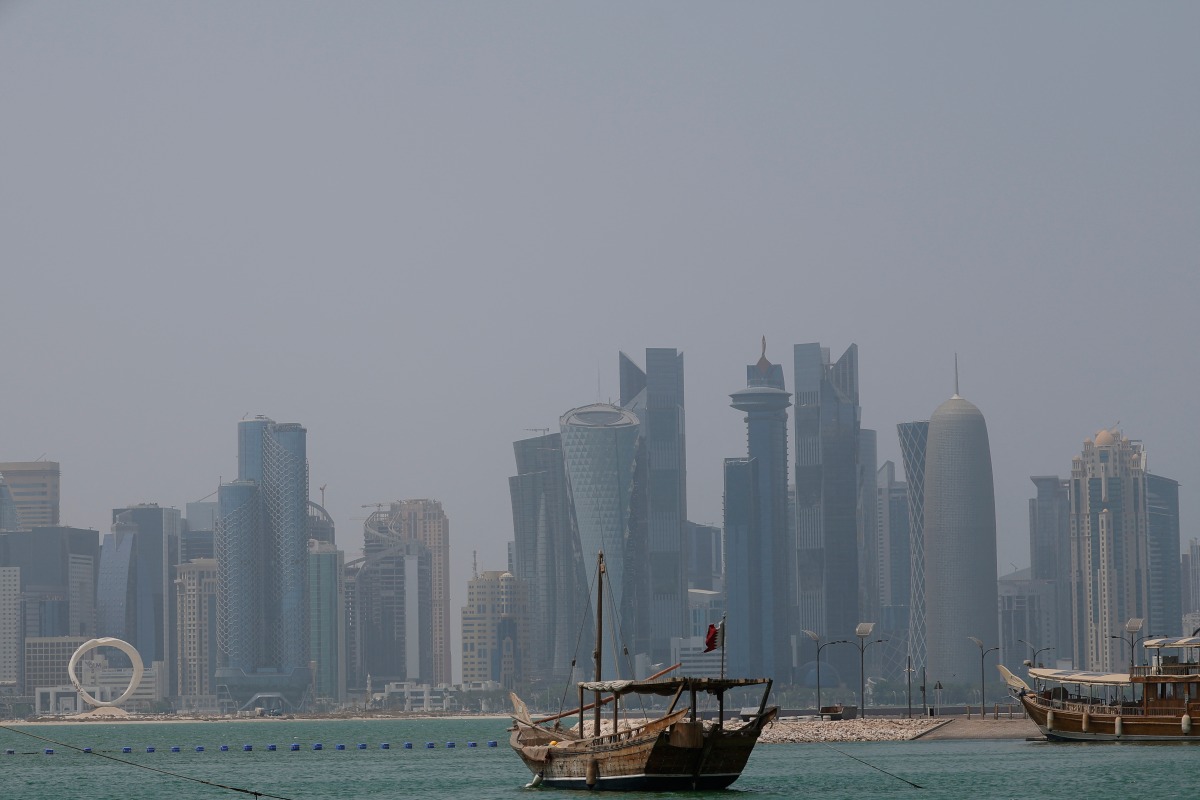

Doha, Qatar – Residents of Qatar can anticipate relatively cool and mild weather in Qatar over the upcoming weekend, from January 8th to 10th, 2026, according to the latest forecast released by the Qatar Meteorology Department. The report signals a break from recent warmer temperatures, with conditions expected to include mist, fog and potentially reduced visibility, particularly during the early morning hours. Sea conditions will also be moderately choppy.
The forecast specifically covers Thursday, January 8th, through Saturday, January 10th, outlining anticipated temperature ranges and wind patterns. The Ministry of Environment and Climate Change has advised caution for those traveling, particularly by sea, due to the potential for hazardous conditions. This period typically sees a transition in weather patterns for the region.
Detailed Weekend Weather Forecast for Qatar
The Qatar Meteorology Department predicts that Thursday will give way to hazy and misty conditions by night, accompanied by northwesterly winds blowing at 5 to 15 knots, with gusts potentially reaching 19 knots. These winds are expected to contribute to cooler temperatures overnight.
Friday is likely to experience more widespread mist, potentially leading to poor visibility in various areas. The winds will shift to a northwesterly to northeasterly direction, remaining in the 3-13 knot range, and dropping temperatures further as the day progresses. This forecast is important for commuters and those engaging in outdoor activities.
Similar conditions are anticipated on Saturday, January 10th, with continued low visibility possible in certain locations. Daytime temperatures will remain mild and partly cloudy, but a noticeable drop is expected during the nighttime hours. This dip in temperature could lead to uncomfortable conditions without appropriate layers.
Temperature and Sea Conditions
Throughout the weekend, temperatures in Qatar are forecast to fluctuate between a minimum of 17°C and a maximum of 24°C. These temperatures are considerably milder compared to the frequently high averages experienced by the country. This is a welcome change for many residents.
The sea height is currently predicted to range from 2 to 4 feet, but the report indicates it may rise to 6 feet at times, particularly due to the anticipated wind gusts. This poses a potential risk to small crafts and maritime activities. Mariners are advised to check updated forecasts before heading out. The Ministry of Municipality offers regular updates on maritime conditions.
The current forecast contrasts with the unusually warm spell Qatar experienced in the weeks preceding January 8th. While average daytime temperatures for this time of year generally range between 20°C and 25°C, recent days saw brief periods of temperatures exceeding 28°C. This shift is attributed to a change in air mass moving across the region.
Additionally, the increased humidity associated with the mist and fog may contribute to a perceived lower temperature. This factor is particularly relevant for individuals sensitive to moisture levels in the air. The shift towards cooler temperatures offers respite from the typically arid climate.
The authorities are monitoring the developing weather situation closely, renewing their calls for drivers to exercise extra caution during periods of reduced visibility. They further advise residents to stay informed about the latest updates from official meteorological sources. This proactive approach to public safety is consistent with national standards.
Looking ahead, the Qatar Meteorology Department plans to release a more detailed long-range forecast by January 12th. While the current forecast provides a reasonable expectation for the weekend, broader weather patterns remain subject to change. Residents should continue to monitor official sources for the most up-to-date information about Qatar weather and potential shifts in the weather forecast.
The overall impact of this cooler weather in Doha is expected to be positive, providing a more comfortable environment for outdoor activities and potentially easing energy consumption for cooling. However, it’s important to consider the potential for hazardous conditions such as low visibility when planning travel or outdoor work. Following the latest weather updates will be key.
Finally, the changing Qatar climate highlights the sensitivity of the region to fluctuating weather patterns, reinforcing the importance of accurate forecasting and public awareness regarding potential hazards.