
The debate surrounding educational facilities in Bahrain continues, with a recent proposal to construct an indoor sports hall at Sanabis Boys Primary School sparking contention between Members of Parliament (MPs) and the Education Ministry. The core issue revolves around providing students with adequate spaces for physical activity and school events, highlighting the ongoing need for school infrastructure development across the country. While MPs champion the benefits of a dedicated hall, the ministry cites space constraints and budgetary considerations.
Proposal for Sanabis Boys Primary School Faces Hurdles
Five MPs – Mamdouh Al Saleh, Jalal Kadhem, Mohsen Al Asbool, Jaleela Alawi, and Mahmoud Fardan – initially submitted the proposal for a combined indoor sports hall and stage for Sanabis Boys Primary School. Their motivation stems from a belief that a dedicated indoor space is crucial for the holistic development of students. The MPs argue that such a facility would address a significant gap in the school’s current offerings, providing a safe and controlled environment for physical education, regardless of weather conditions.
The proposal isn’t solely focused on athletics. It also envisions the hall as a versatile venue for a range of school activities, including awards ceremonies, theatrical performances, parent-teacher meetings, and student exhibitions. This multi-purpose aspect is a key argument in its favor, suggesting a strong return on investment for the community.
Ministry Cites Space Limitations and Future Plans
The Education Ministry, however, has responded with a rejection of the current proposal. In a written statement to the Services Committee, the ministry acknowledged the valid concerns raised by the MPs regarding the school’s needs. They affirmed their commitment to improving school facilities through their 2020-2030 strategic plan, contingent on available resources.
However, the central argument against the hall’s construction is the limited size of the Sanabis Boys Primary School campus. The ministry contends that the school simply lacks the physical space to accommodate a standard-sized gymnasium and stage without compromising other essential areas. They suggest, as a temporary measure, utilizing existing play areas for indoor activities when possible.
Furthermore, the ministry indicated that a gym could be revisited in future planning cycles if both sufficient funding and the necessary land become available. This response, while not a complete dismissal of the idea, effectively postpones any immediate action.
Exploring Alternative Solutions
The ministry’s statement also reveals they are actively exploring alternative ways to enhance the school’s sports areas. While details remain scarce, this suggests a willingness to address the need for improved physical education resources, albeit through means other than a full-scale indoor hall. This could involve upgrading existing outdoor facilities, providing more specialized equipment, or implementing innovative programs that maximize the use of available space.
Services Committee Backs the Proposal Despite Ministry Objections
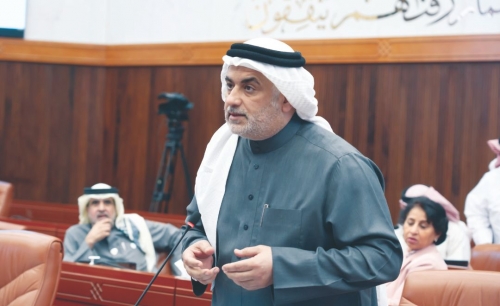
Despite the ministry’s reservations, the Services Committee has recommended approval of the MPs’ proposal. A unanimous vote within the committee demonstrates strong support for the project, framing it as being firmly in the public interest. This endorsement sets the stage for a parliamentary vote on Tuesday, where the full council of MPs will decide the fate of the Sanabis Boys Primary School hall.
The committee’s decision highlights a potential disconnect between the administrative priorities of the Education Ministry and the perceived needs of the community, as voiced by their elected representatives. It also underscores the importance of advocating for educational resources at the local level.
The Broader Context of Bahraini School Development
This situation at Sanabis Boys Primary School is not isolated. It reflects a broader conversation about the need for continued investment in Bahrain’s educational infrastructure. As the population grows and educational standards evolve, schools require modern facilities to effectively support student learning and well-being.
The debate also touches upon the efficient allocation of resources within the education sector. Balancing the demands of numerous schools with limited funding requires careful planning and prioritization. The MPs’ insistence on this particular project suggests they believe the benefits to Sanabis Boys Primary School outweigh the challenges, and that the lack of a suitable indoor space is a particularly pressing issue.
Looking Ahead: Parliamentary Vote and Future Implications
The upcoming parliamentary vote will be a crucial moment for the Sanabis Boys Primary School community. If the proposal is approved, it will likely require further negotiations with the Education Ministry regarding funding and potential modifications to the original plan to address space concerns.
Regardless of the outcome, this case serves as a reminder of the ongoing need for dialogue and collaboration between MPs, the Education Ministry, and local communities to ensure that Bahraini schools have the resources they need to thrive. The focus on school infrastructure development is vital for nurturing the next generation of Bahraini citizens and preparing them for future success. The results of this vote will undoubtedly influence similar discussions and proposals for school improvements across the Kingdom.