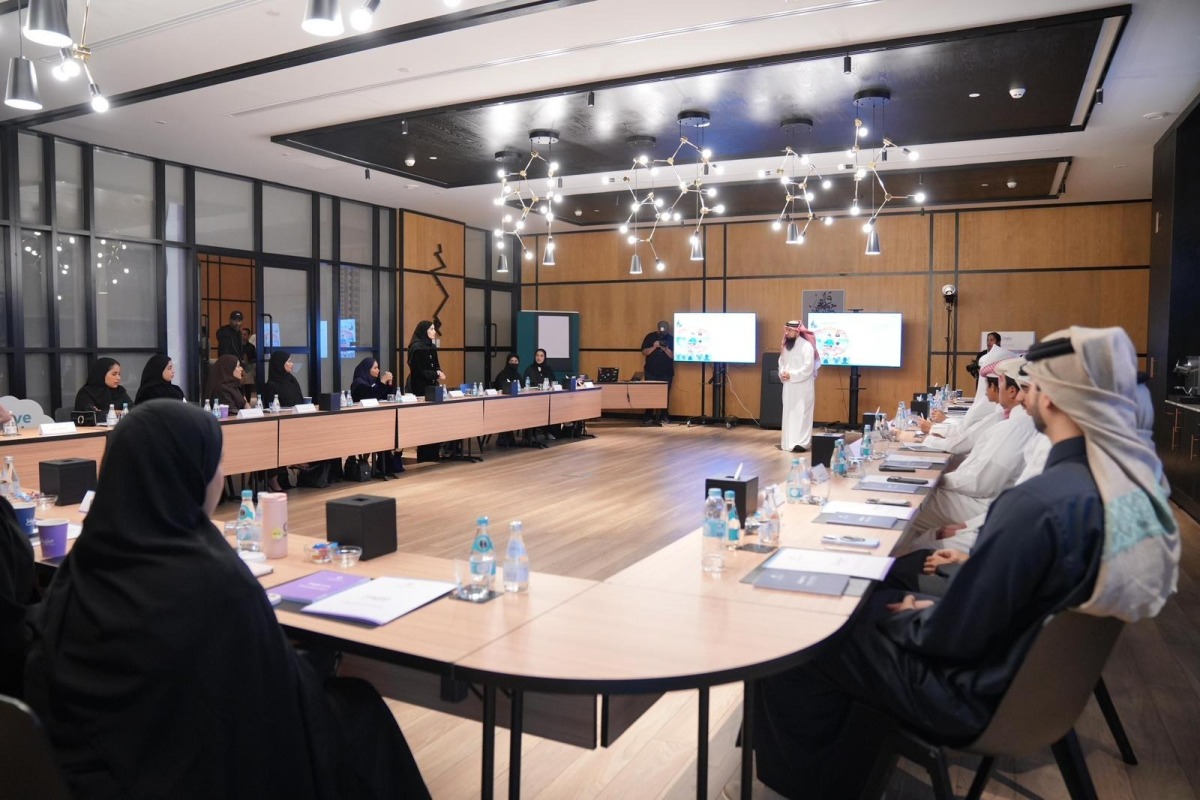

Doha, Qatar – The Ministry of Sports and Youth in Qatar launched the “Generation Proactive” program on Sunday, January 18th, aimed at empowering Qatari youth and fostering their capacity to develop and implement impactful community initiatives. The program, represented by its Youth Affairs Department, is a key component of the country’s broader strategy to align with Qatar National Vision 2030 and the Qatar National Youth Policy. It will run through February 2nd.
The initiative will provide training to a select group of Qatari young people, overseen by certified trainers specializing in innovation, community development, and project implementation. The launch event took place in Doha and signals a renewed focus on youth engagement in national development efforts.
Investing in Qatar’s Future Through Youth Empowerment
The “Generation Proactive” program is designed to move beyond simply identifying societal challenges and instead equip young Qataris with the practical skills needed to create solutions. According to the Ministry, the program will focus on developing core competencies such as leadership, teamwork, strategic planning, and resource management. This holistic approach aims to ensure initiatives are not only innovative but also sustainable and effectively address identified needs.
Program Structure and Key Components
The program follows a structured approach, beginning with a rigorous participant selection process. Successful applicants will then engage in specialized workshops covering all aspects of initiative development, from initial concept to impact measurement. The Ministry stated that the curriculum will emphasize the creation of realistic work plans and the effective marketing of projects to garner support.
A central goal of “Generation Proactive” is the launch of six new youth-led initiatives directly linked to the pillars of Qatar’s National Youth Policy. These initiatives are expected to be grounded in practical feasibility and contribute to tangible improvements in community service. The program also highlights the importance of instilling values of responsibility and citizenship among participants.
The Ministry is collaborating with several national entities to maximize the program’s reach and impact. Qatar University, Qatar Foundation, and the Qatar Voluntary Center are among the key supporters providing resources and expertise. This collaborative effort underscores the national commitment to youth development.
Additionally, the Nama Center will offer post-program training to further enhance participants’ skills. Various ministry-affiliated centers, including the Scientific Club’s Innovation Incubator and the Qatar Youth Hostels, will provide ongoing support and resources. The Young Entrepreneurs Club has also expressed interest in mentoring and attracting entrepreneurial initiatives stemming from the program, fostering innovation in Qatar.
Director of the Youth Affairs Department, Fawaz Abdullah Al Musaifri, emphasized the program’s alignment with Qatar’s long-term vision. He stated the Ministry believes in the crucial role of young people as active partners in the nation’s progress. Al Musaifri also highlighted the program’s integrated platform, designed to build capabilities and translate ideas into impactful, sustainable projects.
The launch of “Generation Proactive” represents a significant investment in Qatar’s human capital. By providing targeted training and support, the Ministry hopes to unlock the potential of its youth and empower them to become agents of positive change. The program’s emphasis on practical skills and real-world application sets it apart as a proactive approach to addressing societal challenges.
Looking ahead, the Ministry will evaluate the six launched initiatives to assess their impact and identify best practices. A report detailing the program’s outcomes and recommendations is expected in the coming months. The success of “Generation Proactive” will likely inform future youth empowerment strategies and potentially lead to expanded funding for similar programs, though budgetary considerations and ongoing national priorities will ultimately determine the scale of future investments.