
Kuwait is reinforcing its commitment to organized and impactful social work with a new directive emphasizing the mandatory registration of all volunteer activities. The Ministry of Social Affairs has designated the Bader platform as the sole authorized channel for organizing and accrediting volunteer teams and initiatives within the country, aiming to streamline efforts and ensure accountability. This move is part of a broader regional initiative to standardize volunteer work across the GCC.
The Importance of the Bader Platform in Kuwait
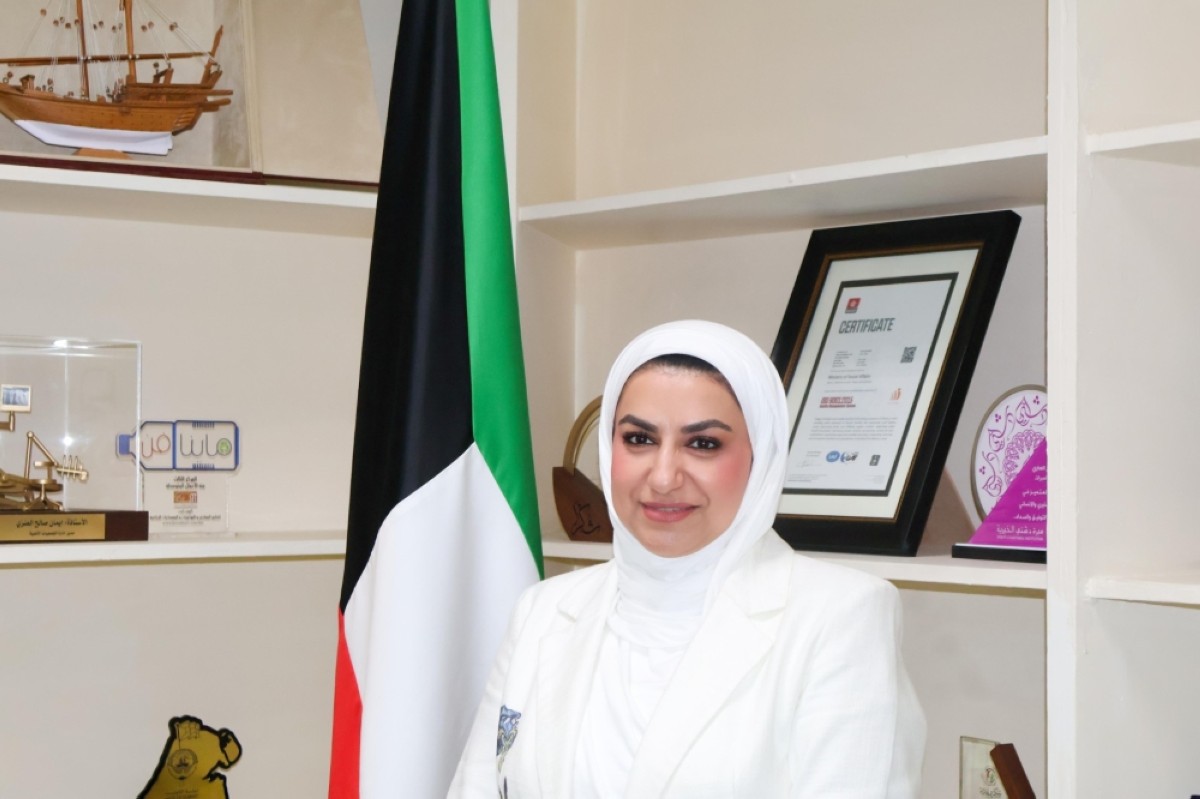
The launch and subsequent emphasis on the Bader platform isn’t simply a bureaucratic step. It’s a strategic move designed to elevate the effectiveness and legitimacy of volunteer work in Kuwait. Acting Assistant Undersecretary for Social Welfare and Development, Iman Al-Enezi, highlighted the platform’s vital role in establishing a clear and regulated legal framework for all community initiatives.
This regulation directly impacts both volunteers and the organizations they support. By operating within the official system, volunteers gain protection of their rights, ensuring a safe and rewarding experience. Simultaneously, the platform assures donors and beneficiaries that contributions are being channeled responsibly and achieving the intended impact.
Aligning with Regional Standards
Kuwait’s adoption of the Bader platform signifies a coordinated effort within the Gulf Cooperation Council (GCC). The initiative is underpinned by Law No. 49 of 2024 and its subsequent executive regulations, detailed in Ministerial Resolution No. 112 of 2025. These laws establish a unified legal system for volunteer work across all GCC nations, streamlining cross-border collaboration and promoting best practices.
This regional harmonization is crucial for addressing shared challenges and maximizing the collective impact of volunteer efforts. It also fosters a more professional and sustainable approach to community service throughout the region.
Legal Framework and Compliance
The Ministry of Social Affairs is leaving no room for ambiguity. Article 3 of the regulations explicitly prohibits irregular volunteer practices. This means that forming volunteer teams, launching fundraising campaigns, or engaging in any form of volunteer work without official licensing through the Bader platform is considered a legal violation.
This isn’t intended as a punitive measure, but rather as a safeguard for both participants and the public. Al-Enezi stressed the importance of compliance, warning that unlicensed activities will be met with appropriate legal action. The message is clear: responsible volunteerism requires adherence to established procedures.
This emphasis on legal compliance is particularly important when dealing with charitable donations, ensuring transparency and preventing misuse of funds.
Benefits of Using the Bader Platform
Beyond satisfying legal requirements, utilizing the Bader platform offers a range of practical benefits for organizers and volunteers. The platform provides a centralized hub for:
- Registration and Accreditation: Streamlining the process of officially recognizing volunteer teams and initiatives.
- Monitoring and Oversight: Enabling the Ministry of Social Affairs to track volunteer activities and ensure they align with national goals.
- Resource Sharing: Facilitating the sharing of best practices, training materials, and potential funding opportunities.
- Increased Public Trust: Demonstrating a commitment to transparency and accountability, thereby bolstering public confidence in volunteer efforts.
Furthermore, the platform can aid in coordinating efforts between different organizations, preventing duplication of services and maximizing impact. This level of organization is invaluable for effective social development within Kuwait.
How to Register on the Bader Platform
The Ministry of Social Affairs encourages all individuals and organizations involved in volunteer work to register on the Bader platform without delay. While specific registration procedures will be detailed on the platform itself, it generally involves providing information about the team or initiative, its objectives, planned activities, and contact details.
It’s crucial to ensure all submitted information is accurate and up-to-date to expedite the approval process. The platform will likely require documentation confirming the legal status of the organizing entity and outlining its governance structure.
Fostering a Culture of Responsible Volunteerism
Ultimately, the implementation of the Bader platform is about more than just regulation. It’s about fostering a culture of organized, responsible, and impactful volunteerism in Kuwait. By providing a clear framework for operation, the Ministry seeks to empower individuals and organizations to contribute meaningfully to society.
This also enhances Kuwait’s image as a nation committed to social welfare and humanitarian principles. The success of this initiative hinges on the proactive engagement of the volunteer community, and a collective commitment to adhering to the established guidelines.
In conclusion, the Bader platform represents a significant step forward in the management and regulation of volunteer work in Kuwait. By embracing this centralized and legally-backed system, organizations and individuals can not only ensure compliance but also contribute to a more effective and trusted environment for community service and social impact. We strongly encourage anyone planning or participating in volunteer activities in Kuwait to visit the Bader platform today and familiarize themselves with the registration process.