


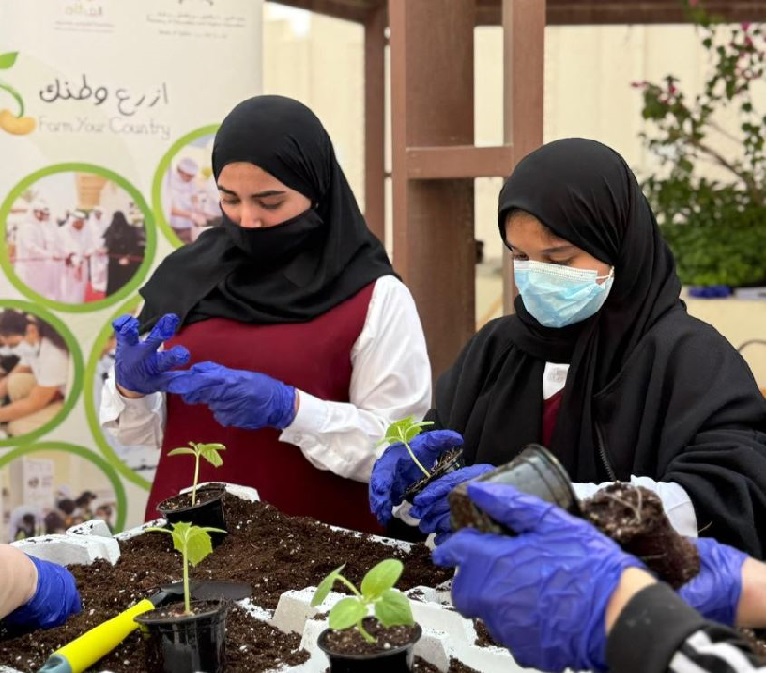

Doha, Qatar – The Ministry of Municipality’s Public Parks Department has launched the 11th iteration of its popular “Farm Your Country” program, a nationwide initiative promoting agricultural awareness among students. This year’s program includes 47 schools, spanning diverse educational levels and, significantly, one school specifically for students with disabilities. The launch highlights Qatar’s continued commitment to sustainability and food security through community engagement.
The program officially commenced planting operations this month and is a collaborative effort between the Ministry and Al Faisal Without Borders Foundation. According to a statement from the Public Parks Department, the initiative aims to cultivate a culture of planting and environmental responsibility in young Qataris, fostering a greener future for the nation.
Boosting Agricultural Awareness Through School Programs
The “Farm Your Country” program represents a cornerstone of Qatar’s efforts to enhance food security and encourage sustainable practices. Qatar, like many Gulf states, relies heavily on food imports, making domestic agricultural production a strategic priority. Planting activities have already been completed at 25 schools, with the remaining institutions scheduled to participate in the coming weeks.
Beyond the immediate goal of planting, the program incorporates ongoing checkups and plant care, all supervised by the Public Parks Department’s technical team. This hands-on approach ensures students gain practical knowledge of horticulture and the challenges of maintaining a successful garden. The Ministry emphasizes the importance of this practical experience in building long-term engagement with agriculture.
A Partnership for Sustainability
The collaboration between the Ministry of Municipality and Al Faisal Without Borders Foundation is central to the program’s success. Al Faisal Without Borders Foundation has a long history of supporting community development projects in Qatar, and their involvement provides crucial resources and expertise. This partnership exemplifies the growing trend of public-private cooperation in addressing national sustainability goals.
The program’s benefits extend beyond environmental education. The Ministry stated that “Farm Your Country” instills a sense of responsibility, teamwork, and respect for the environment in participating students. These are valuable life skills that contribute to a well-rounded education and a more engaged citizenry.
Furthermore, the initiative actively promotes the concept of home farming. By experiencing the process of growing food firsthand, students are more likely to replicate these practices at home, contributing to increased local food production and reducing reliance on imports. This aligns with Qatar’s National Vision 2030, which prioritizes environmental sustainability and economic diversification.
The inclusion of a school for students with disabilities is a notable addition to this year’s program. This demonstrates a commitment to inclusivity and ensures that all young people in Qatar have the opportunity to benefit from environmental education and participate in building a sustainable future. The ministry has not released specific details about accommodations made for this school, but the participation is symbolic of broader efforts towards social inclusion.
Initial reports suggest positive engagement from students and teachers alike. However, the long-term impact of the program on dietary habits and continued agricultural involvement among graduates remains to be seen. The success of the program is also dependent on factors like weather conditions and the availability of resources.
The current phase of the program will continue through the end of the year, with the harvest season anticipated in the spring. The Public Parks Department will continue to monitor the progress of the plants and provide support to the schools. Future iterations of “Farm Your Country” may explore incorporating advanced agricultural technologies into the curriculum, further preparing students for a role in Qatar’s evolving food production landscape.
Looking ahead, the Ministry of Municipality will evaluate the outcomes of this year’s program to inform future planning and potential expansion. The ongoing success will likely depend on continued funding and strong partnerships with organizations like Al Faisal Without Borders Foundation. Further analysis will be needed to determine the quantifiable impact of the initiative on Qatar’s overall food security goals.