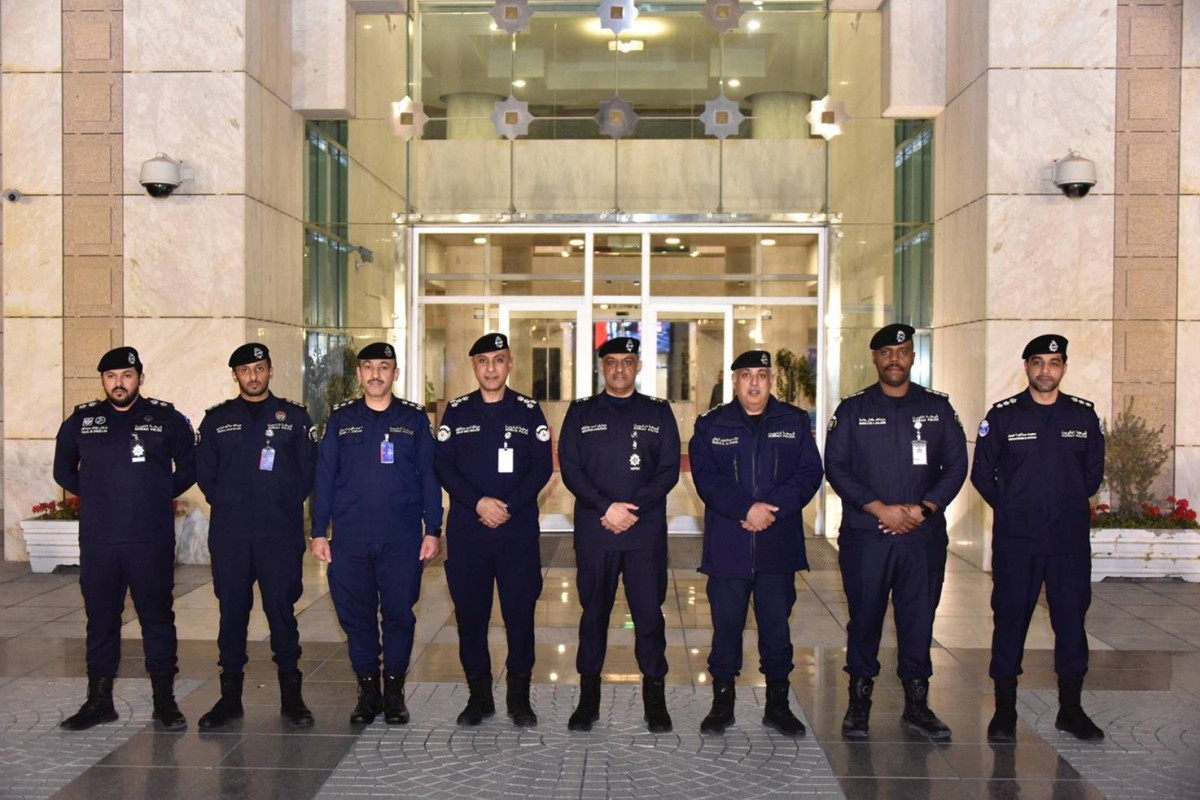

Kuwait is consistently focused on bolstering its internal security infrastructure and ensuring the safety and well-being of its residents. Recent inspections by Major General Abdulwahab Al-Wuhaib, the Deputy Interior Minister, underscore this commitment, with a particular emphasis on Kuwait security and the critical importance of inter-agency collaboration in responding to emergencies. The inspections, which took place on Saturday, aimed to evaluate current operational readiness and identify areas for improvement within key departments of the Interior Ministry.
Deputy Minister Al-Wuhaib Highlights Inter-Agency Coordination for Kuwait Security
Major General Al-Wuhaib’s tour wasn’t simply a procedural check-in; it was a focused assessment of how effectively different security sectors work together to deliver a swift and coordinated response to incidents. He stressed that a unified approach is paramount to maintaining “high levels of safety for residents,” as reported by KUNA. This dedication to seamless communication and cooperation is a key tenet of modern security strategies, allowing for faster deployment of resources and more effective incident management.
The Deputy Minister’s remarks were especially pointed towards the need to “raise the efficiency of field and operational performance.” This wasn’t presented as a criticism, but rather as a continued push for excellence within the ranks of the Interior Ministry. He lauded the “spirit of teamwork and the professionalism” displayed by staff handling emergency calls, highlighting positive aspects even while advocating for further development.
Focus on Traffic Management and Road Safety
A significant portion of Al-Wuhaib’s inspection centered around the Traffic Department. He examined the traffic control systems in place, taking a detailed look at how vehicle flow is managed on Kuwait’s major roadways.
Evaluating Technological Infrastructure
The Department’s implementation of technology plays a crucial role. Al-Wuhaib’s review included analysis of advanced systems designed to monitor traffic patterns, identify congestion points, and swiftly adjust control measures to alleviate bottlenecks. He emphasized that these efforts directly contribute to smoother traffic movement and, most importantly, enhanced road safety for all users.
Efficient traffic management isn’t solely about reducing commute times; it’s a vital component of overall public safety. Quick response times to accidents and the prevention of traffic-related incidents are direct benefits of a well-managed system.
Emergency Response Systems Under Scrutiny
Beyond traffic, the inspections extended to the core of Kuwait’s emergency response network: the General Operations Department’s emergency call centers and central operations management units.
Al-Wuhaib observed firsthand the processes involved in receiving, verifying, and dispatching responses to emergency reports. He paid close attention to the communication protocols connecting these centers with various relevant agencies, including medical services, fire departments, and other security forces. The emphasis on observing the “readiness of field teams to respond to emergencies” confirms the government’s wish to ensure available personnel can provide rapid assistance.
The ability to swiftly and accurately process emergency communications is critical. Even the smallest delay can have significant consequences. Al-Wuhaib’s focus suggests an understanding that optimizing these systems is a continuous process. The coordination observed also relates to public safety as a whole.
Leadership Support and Future Enhancements
The Deputy Minister wasn’t alone on this comprehensive tour. He was accompanied by Brigadier Abdullah Al-Otaibi, the head of the Traffic and Operations Sector. The presence of this key leader reinforced the message that inter-departmental collaboration is essential and supported at all levels of command.
Al-Wuhaib’s visit comes at a time of ongoing regional change and a growing need for robust security measures. By proactively assessing operational readiness and fostering a culture of continuous improvement, the Kuwait Interior Ministry is demonstrating its commitment to protecting its citizens and maintaining stability. The focus placed on discipline and efficient report management underscores a proactive stance toward potential challenges.
Looking ahead, it’s likely that these inspections will inform future investments in technology, training, and infrastructure. Strengthening emergency preparedness in Kuwait requires sustained effort and a willingness to adapt to evolving threats, and Major General Al-Wuhaib’s recent actions offer a strong indication that the nation is prepared to meet those challenges head-on.
This commitment to proactive security measures will undoubtedly contribute to a safer and more secure environment for all residents of Kuwait. Further updates on initiatives stemming from this inspection are anticipated, and will be closely watched by those invested in the nation’s continued stability and well-being.