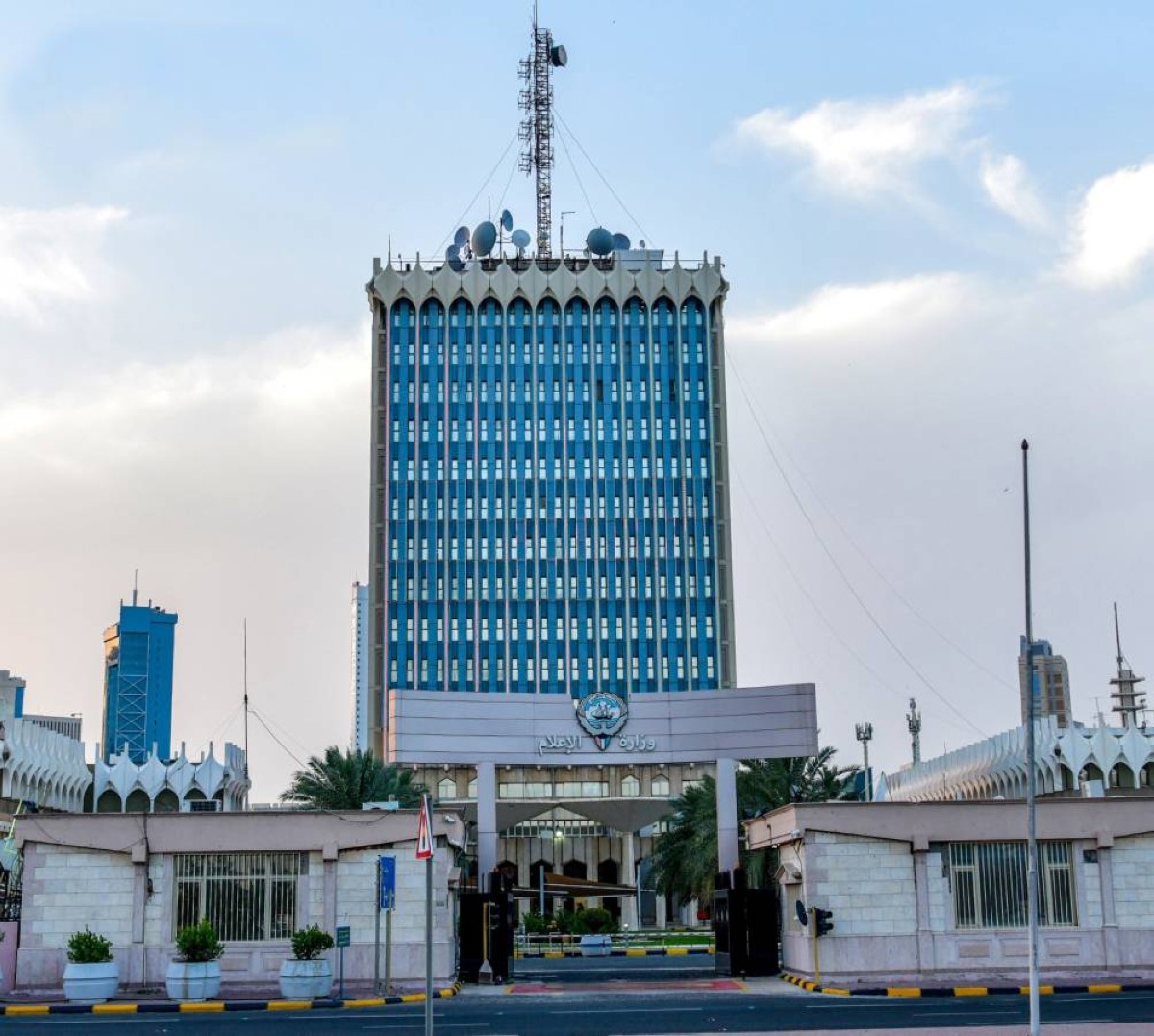

Kuwait experienced a landmark year for its media sector in 2025, achieving significant advancements across television, radio, print, and digital platforms. This transformation was powerfully linked to Kuwait’s designation as the Arab Capital of Culture and Media 2025, a pivotal moment reinforcing the nation’s commitment to a thriving and modern media landscape. The Ministry of Information spearheaded these changes, aligning them with the ambitious Kuwait Vision 2035 and its own 2021-2026 strategic goals, ultimately solidifying Kuwait media as a regional leader.
A Year of Transformation: Kuwait’s Media Achievements in 2025
The successes of 2025 weren’t limited to a single area; rather, they represented a holistic upgrade of the entire media ecosystem within Kuwait. The Ministry’s efforts centred around infrastructure development, embracing digital technologies, empowering the national workforce, and broadening its influence on both regional and international stages. This concerted push resulted in unprecedented revenue streams and a demonstrable elevation of content quality, setting the stage for continued growth.
Modernizing Broadcast Infrastructure: Television and Radio
Kuwait Television underwent a comprehensive modernization process, receiving upgrades to its channels, emergency facilities, and transmission centers. These improvements included the adoption of advanced lighting, smart camera systems, and a full transition to HD and 4K technologies. This focus on high-definition broadcasting signifies a dedication to delivering a superior viewing experience to the Kuwaiti public.
Al-Akhbar Channel’s New Era
A key component of this modernization was the complete technical overhaul of Al-Akhbar Channel. The launch of a new visual identity, coupled with a 24/7 multilingual news service, substantially increased its reach and influence. Furthermore, direct connectivity with correspondents both domestically and internationally ensures prompt and professional news coverage.
In the radio sector, the Ministry implemented Audio over IP (AoIP) technology in studios, alongside enhanced digital archiving. This not only improved sound quality and minimized disruptions but also aided in the preservation of Kuwait’s rich audio heritage, making it readily accessible through modern digital platforms. Kuwait Radio also adopted advanced digital control systems and networked studio connectivity to optimize efficiency and maintain uninterrupted broadcasting. Programming continued to emphasize national unity, sustainable development, and promote responsible media use.
Embracing Digital Media and Innovation
Recognizing the global shift towards digital consumption, the Ministry prioritized digital transformation within Kuwait’s media landscape. Moving beyond traditional platforms, they focused on making printed media more accessible through digitalization.
Digitizing Content and Developing Skills
The launch of the Kuwait Alyoum application and newspaper archiving projects showcases this commitment. Moreover, the Ministry actively collaborated with the Public Authority for Applied Education and Training and the Kuwait Journalists Association to develop a new digital media diploma, equipping Kuwaiti youth with the specialized skills needed in areas like content creation and tourism media. However, the modernization isn’t solely focused on technology; it emphasizes building a skilled workforce capable of utilizing these advancements effectively.
Strengthening National Media Presence & Regulatory Framework
Kuwait’s impressive year also included strengthening its position on the regional and global media stage. The celebrations surrounding its designation as Arab Capital of Culture and Media 2025 were officially launched on February 13th, drawing participation from across the Arab world. This served as a potent platform to showcase Kuwait’s media capabilities and cultural richness.
New Regulations & International Recognition
The Ministry finalized a new media regulation law, in coordination with the Fatwa and Legislation Department, designed to modernize media legislation. This law aims to regulate audiovisual, print, and digital media regulation responsibly, promoting freedom of expression within a clear and ethical framework. Additionally, Kuwait was elected to chair the Executive Bureau of the Council of Arab Information Ministers for a two-year term and was awarded the Arab Media Excellence Award, further cementing its leadership role in responsible Arab media discourse. Minister Al-Mutairi’s chairmanship of the Middle East Regional Committee of the UN World Tourism Organization also enabled the promotion of Kuwait’s vision for integrating technology and artificial intelligence into the evolving media landscape.
Looking Ahead: Building on Success
The achievements of 2025 represent a watershed moment for Kuwait’s media industry. The dedication to modernizing infrastructure, embracing digital technology, and strengthening both national content and international partnerships have definitively positioned Kuwait as a leading force in the Arab media world. Minister of Information and Culture and Minister of State for Youth Affairs Abdulrahman Al-Mutairi underscored that these developments reflect a commitment to balanced, responsible media that aligns with technological advancements while upholding professional integrity.
As the Ministry prepares to unveil its 2026-2030 strategy, it is clear that Kuwait is determined to build upon the momentum of 2025, continuing its journey toward a dynamic, innovative, and globally impactful media sector. This ongoing evolution promises a vibrant and informative future for Kuwait media and the citizens it serves.
To learn more about the future of media in Kuwait, and stay updated on new initiatives, visit the Ministry of Information website. Your engagement and feedback are vital to shaping the next chapter of Kuwait’s media story.