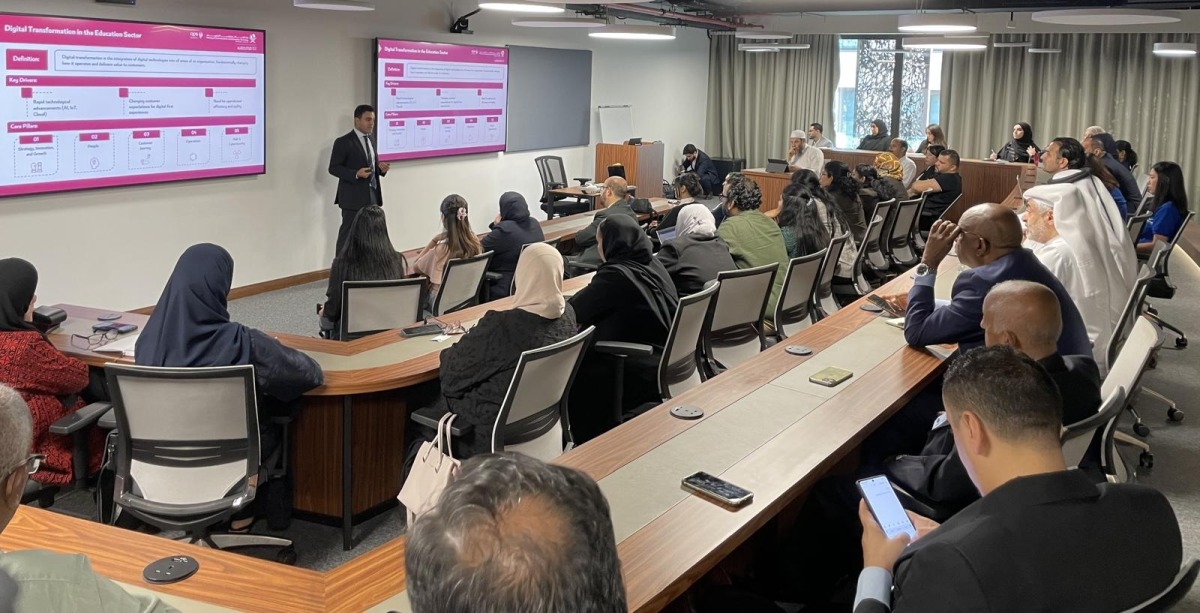

Doha, Qatar – The Ministry of Communications and Information Technology (MCIT) of Qatar, working with the Ministry of Education and Higher Education, recently concluded a series of awareness workshops focused on digital transformation for small and medium enterprises (SMEs) within the education sector. These workshops, part of the broader “SMEs Go Digital” program, aim to accelerate the adoption of digital solutions and artificial intelligence (AI) technologies to improve educational quality and efficiency. The initiative underscores Qatar’s commitment to building a robust, innovation-driven economy.
The workshops, held throughout November 2023, targeted companies providing services in the education ecosystem. Participants included providers of educational software, training platforms, and supplementary learning resources. According to the MCIT, the goal is to equip these businesses with the tools needed to thrive in a rapidly evolving technological landscape.
Boosting Qatar’s Education Sector with Digital Transformation
Qatar’s national vision emphasizes the importance of a diversified, knowledge-based economy. The digital transformation of its SME sector, particularly those interacting with critical services like education, is seen as crucial to achieving this goal. The “SMEs Go Digital” program is designed to support this vision, aligning directly with the objectives of the Qatar Digital Agenda 2030.
Key Workshop Components
The workshops featured sessions led by digital transformation experts. These sessions included practical demonstrations of AI applications and their potential in the education sector. These demonstrations included assistance with personalized learning experiences, streamlined administrative processes, and improved data analytics for student performance. Participants received guidance on adapting and implementing these technologies within their own business models.
Additionally, the program offers tailored digital assessments to help SMEs identify specific areas for improvement. Following assessment, companies can develop customized transformation plans with support from the MCIT and partner organizations. Networking opportunities with technology service providers were also a key component of the workshops, facilitating potential collaborations and access to relevant solutions.
Faraj Jassim Abdullah, Director of the Digital Economy Department at MCIT, emphasized the strategic importance of SMEs as catalysts for digital leadership in Qatar. He stated that collaboration with the Ministry of Education and Higher Education is vital for improving the quality of education and overall student and teacher experience through the deployment of modern technologies.
The program extends beyond education, targeting other key sectors including tourism, healthcare, retail, wholesale, transportation, and logistics. This broader approach reflects a national effort to modernize the Qatari economy across multiple industries. The overall strategy pushes toward greater technology adoption and improved economic competitiveness.
Financial support for SMEs undertaking digital transformation projects may be available through Qatar Development Bank, according to program materials. Additionally, the “SMEs Go Digital” program provides access to exclusive technology offers and comprehensive training courses to enhance institutional capabilities and ensure sustainable growth. The focus on capability building is intended to foster long-term resilience and adaptability within these businesses.
However, the successful implementation of these initiatives will depend on sustained investment and continued collaboration between government agencies, educational institutions, and the private sector. Challenges remain in ensuring that all SMEs, regardless of size or technological sophistication, can effectively participate in the program. Addressing these disparities will be critical to maximizing the impact of digital solutions.
Looking ahead, the MCIT plans to continue rolling out workshops and support services across various sectors throughout 2024. The ministry has not yet announced specific timelines for expanding the program, but they indicate further analysis will be conducted to assess the initial workshops’ impact and refine the approach for future iterations. Monitoring the uptake of digital technologies by Qatari SMEs and tracking key performance indicators related to the Qatar Digital Agenda 2030 will be critical in evaluating the program’s long-term success.
Source: The Peninsula Qatar
Ministry of Communications and Information Technology
Ministry of Education and Higher Education
Qatar Development Bank
Qatar National Vision 2030
Qatar Digital Agenda 2030