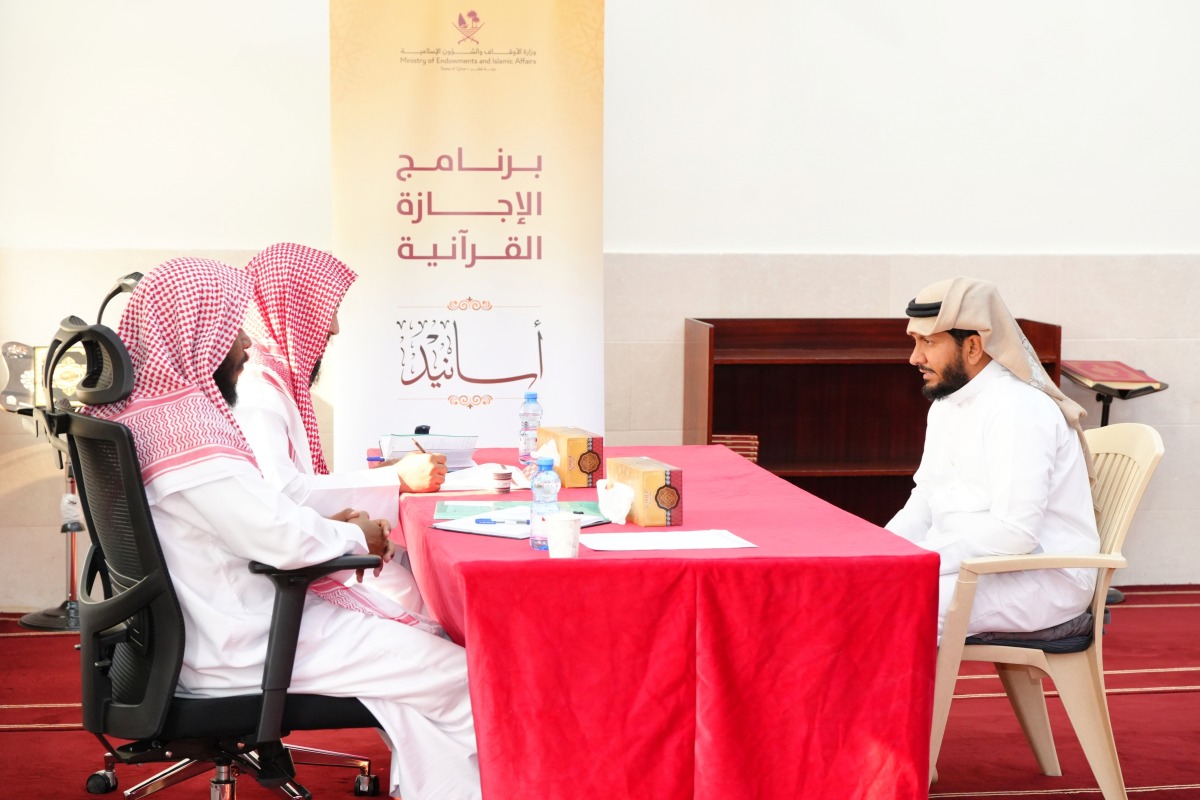

Doha, Qatar – The Ministry of Awqaf and Islamic Affairs in Qatar launched the third iteration of its “Asaneed” Programme on December 21, 2025. This initiative aims to provide 50 imams and muezzins with formal authorization, or ijazah, in the recitation of the Quran according to the Hafs from ‘Asim narration, ensuring a direct, unbroken chain of transmission back to the Prophet Muhammad (PBUH). The program underscores Qatar’s commitment to preserving the integrity of Quranic recitation and supporting religious leaders.
The launch took place in Doha and represents a continuation of the Ministry’s efforts to elevate the standards of Quranic performance within the country’s mosques. According to the Ministry, the program is a response to growing demand from religious officials seeking to refine their skills and strengthen their connection to the foundational texts of Islam.
Enhancing Quranic Recitation Through Ijazah
The “Asaneed” Programme is designed to address a critical need for standardized and accurate Quranic recitation. Traditionally, ijazah has been a cornerstone of Islamic learning, signifying a student’s mastery of a text and their authorized transmission of it. This program formalizes that process for imams and muezzins serving in Qatar.
The Ministry of Awqaf and Islamic Affairs stated that the program focuses on correcting recitation based on established rules of tajwid, the proper pronunciation of Arabic letters. This includes meticulous attention to detail in memorization, vocal quality, and the application of phonetic principles.
Selection Process and Program Structure
The selection of participants was highly competitive. The Da‘wah Department received approximately 600 applications from imams and muezzins across Qatar, demonstrating significant interest in the opportunity. Applicants underwent rigorous testing by five examination committees held at Hamad bin Nasser Al-Misnad Mosque between December 7th and 11th, 2025.
Evaluation criteria included accuracy of memorization, the quality of recitation, and precise application of tajwid rules. Only the top 50 applicants, based on their scores, were admitted to the program. The program itself is a six-month intensive course, scheduled to conclude on June 11, 2026.
The Da‘wah Department, in collaboration with the Mosques Department, is overseeing the program’s implementation. This partnership leverages the expertise of both entities to deliver a comprehensive and effective learning experience. The program’s curriculum is expected to cover advanced aspects of Quranic studies, including the historical development of different narrations and the nuances of tajwid application.
This initiative builds upon previous efforts by the Ministry to support religious education and development. Qatar has long been a proponent of preserving Islamic heritage and promoting accurate understanding of the faith. The “Asaneed” Programme is seen as a key component of this broader strategy. The Ministry also offers various other training programs for religious leaders, focusing on areas such as Islamic jurisprudence and da’wah (religious outreach).
The successful completion of the “Asaneed” Programme will not only enhance the individual skills of the participating imams and muezzins but also contribute to a higher standard of religious practice throughout Qatar. The program’s emphasis on a continuous chain of transmission ensures the authenticity and reliability of Quranic recitation for generations to come. Relatedly, the Ministry hopes this will improve the overall quality of prayer services offered in mosques nationwide.
Looking ahead, the Ministry of Awqaf and Islamic Affairs will likely assess the impact of the program on Quranic recitation standards and consider expanding it in future years. The next key date is June 11, 2026, when the current cohort is expected to complete their studies and receive their ijazah. Further announcements regarding future registration periods and program modifications will be monitored for updates.