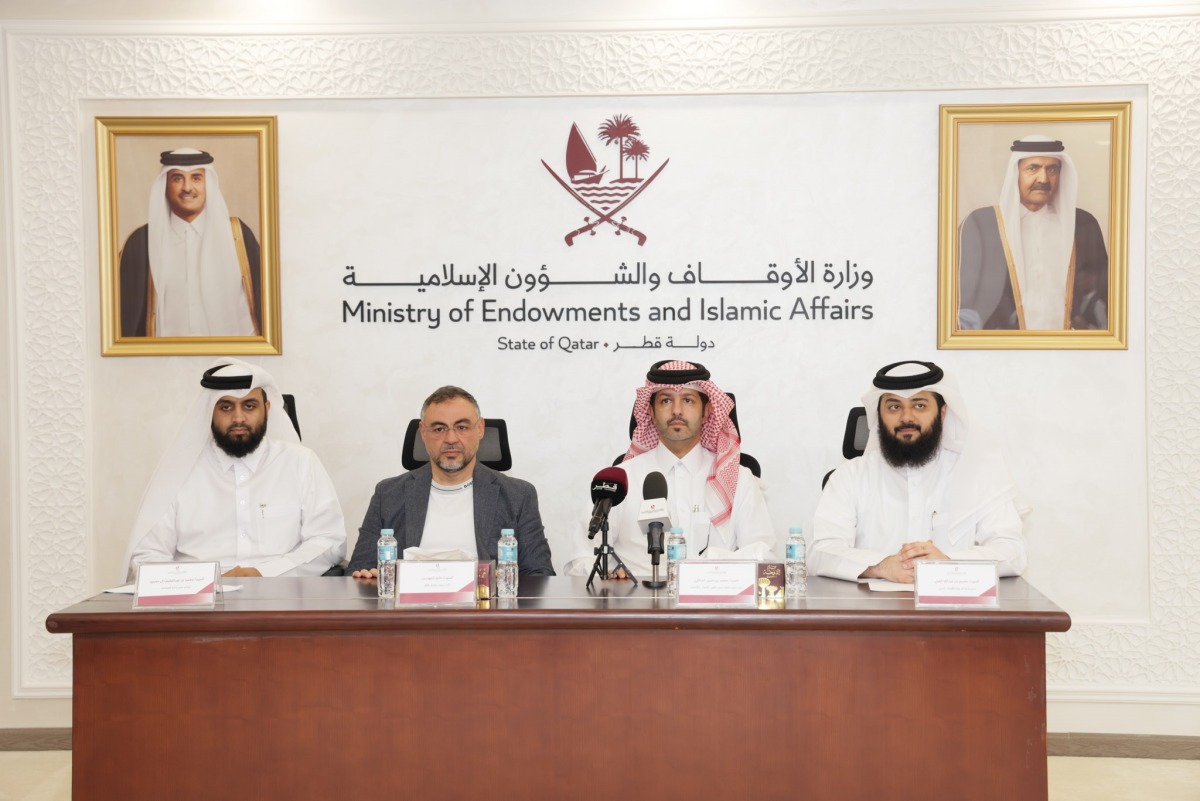

Doha, Qatar – The Ministry of Endowments and Islamic Affairs (Awqaf) of Qatar has announced a significant partnership with Google Cloud, aiming to leverage artificial intelligence to modernize its operations and enhance its services. This collaboration, revealed this week, will see the launch of the Awqaf AI Factory and the migration of key platforms to Google’s cloud infrastructure. The initiative marks a new phase in Qatar’s national digital transformation strategy, with Awqaf becoming the second government entity to formally partner with Google Cloud.
The partnership was officially unveiled following initial cooperation that began in January 2024. According to the ministry, the goal is to improve administrative efficiency and deliver innovative solutions for religious guidance and information dissemination. The move reflects a growing trend among government organizations worldwide to adopt cloud-based AI technologies to streamline processes and improve public service delivery.
Awqaf Embraces Artificial Intelligence for Enhanced Services
The core of the partnership is the establishment of the Awqaf AI Factory, a dedicated technological environment designed for data processing, model training, and the development of advanced AI applications. This factory will utilize Google Cloud’s high-performance computing infrastructure to analyze the ministry’s extensive archives and generate insights. The ministry stated that this will enable the creation of tools to support religious leaders and provide more accessible information to the public.
Key AI Initiatives Launched
Several projects are already underway as part of the collaboration. These include the “Smart Khateeb Assistant,” designed to aid preachers in preparing sermons with scholarly content and relevant topics. Additionally, a “Media Agent” is being developed for automated video generation, and a “Smart Sermon Evaluator” will provide rapid assessments of sermon effectiveness.
A “Real-Time Sermon Translator” is also in development, aiming to broaden the reach of religious teachings. Jassim bin Abdullah Al Ali, Director of Da’wah and Religious Guidance, noted the Smart Sermon Evaluator has already shown promising results, identifying areas for improvement beyond traditional evaluation methods. These tools are intended to enhance the quality and impact of religious discourse within Qatar.
The partnership also includes the migration of Islamweb, a widely-used Islamic resource platform, to Google Cloud. This move is expected to bolster the platform’s security, scalability, and search capabilities, including its fatwa (religious ruling) services. The migration to a cloud infrastructure is a common step for organizations seeking to handle large volumes of data and user traffic, and to ensure business continuity.
Mohammed bin Abdul Latif Al Mahmoud, Assistant Director of Mosques, explained that the Smart Khateeb Assistant will not replace human input, but rather augment it with reliable information and suggestions. The system incorporates a “human-in-the-loop” editing process to ensure accuracy and cultural sensitivity. This approach balances the benefits of AI with the need for human oversight in matters of religious guidance.
Hatem Al Muhandis, Engineering Director at Google Cloud Gulf, highlighted the significance of the partnership, stating that it demonstrates the potential of AI to both preserve Islamic heritage and improve operational efficiency. He further noted that Awqaf is now Google Cloud’s largest government partner in Qatar after the Ministry of Communications and Information Technology (MCIT). This underscores the growing confidence in Google Cloud’s capabilities within the Qatari government.
The adoption of cloud computing by the Ministry of Endowments and Islamic Affairs aligns with Qatar’s broader vision for a knowledge-based economy. The country has been actively investing in digital infrastructure and promoting the use of emerging technologies across various sectors. This partnership is a concrete example of that commitment, and could serve as a model for other government entities in the region.
Looking ahead, the Ministry of Endowments and Islamic Affairs will focus on refining and expanding the AI-powered tools developed in collaboration with Google Cloud. The success of these initial projects will likely inform future investments in machine learning and data analytics. The timeline for full implementation of all planned initiatives remains unclear, and the ministry will need to address potential challenges related to data privacy and algorithmic bias as the project progresses. Observers will be watching to see how these technologies impact the delivery of religious services and the overall efficiency of the ministry.
Google Cloud continues to expand its public sector presence globally, and this partnership with Awqaf represents a key win in the Gulf region.