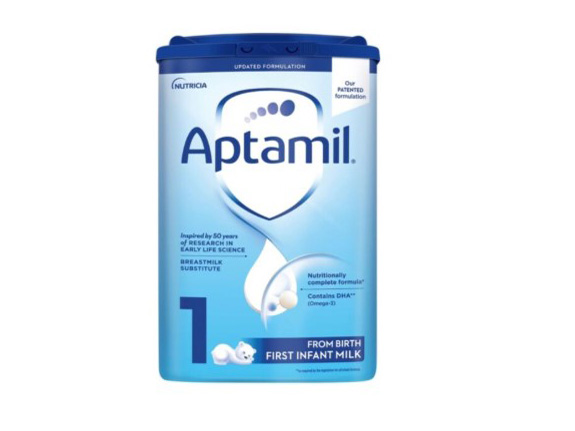

Doha, Qatar – The Ministry of Public Health (MoPH) in Qatar has announced that the local market is clear of a potentially contaminated batch of Aptamil 1 infant formula. This confirmation follows a recall initiated in the United Kingdom due to concerns over possible Cereulide toxin contamination, a neurotoxin produced by the bacterium Bacillus cereus. The MoPH acted swiftly to investigate the situation and reassure consumers regarding product safety.
The specific product affected is Aptamil 1, an 800-gram package with batch number 31-10-2026 and a best before date of October 31, 2026. According to the ministry, this particular batch was never imported into Qatar, eliminating any direct risk to local consumers. The MoPH’s proactive approach underscores its commitment to safeguarding public health through rigorous food safety monitoring.
Qatar Ensures Safety of Infant Formula Amidst UK Recall
The recall in the UK was triggered by the potential presence of Cereulide toxin, which can cause vomiting and neurological symptoms, though serious health consequences are rare. Danone, the manufacturer of Aptamil, initiated the voluntary recall as a precautionary measure after detecting the toxin in a limited number of products. The company is working with authorities to determine the source of the contamination and prevent future occurrences.
MoPH’s Food Safety Protocols
The Ministry of Public Health’s Food Safety Department maintains a continuous surveillance system for potential food-related risks originating from international sources. The department utilizes a specialized team to assess these notifications and implement necessary actions, including testing and inspection of imported goods. All food consignments entering Qatar undergo thorough examination to ensure compliance with stringent safety standards.
Additionally, the MoPH emphasizes its commitment to transparency and public communication during food safety events. The ministry promptly shares information with the public and provides channels for inquiries, such as the hotline 16000. This proactive communication strategy aims to minimize public anxiety and ensure informed decision-making regarding infant formula choices.
While the affected baby formula batch was not present in Qatar, the incident highlights the importance of international collaboration in food safety. The MoPH regularly exchanges information with global health organizations and regulatory bodies to stay abreast of emerging risks and best practices. This collaborative approach strengthens Qatar’s ability to protect its population from potentially harmful food products.
The situation also underscores the rigorous testing procedures in place for imported food items. The MoPH’s laboratories are equipped to detect a wide range of contaminants, ensuring that only safe and wholesome products reach consumers. These measures are particularly crucial for vulnerable populations, such as infants, who are more susceptible to the effects of foodborne illnesses. The ministry’s response demonstrates a strong focus on food safety standards.
The Ministry of Public Health continues to monitor the situation in the UK and will provide further updates if necessary. Danone is expected to release a more detailed report on the contamination incident and the corrective actions taken. Consumers are advised to contact 16000 with any concerns or questions regarding infant formula products available in Qatar.
Looking ahead, the MoPH will likely maintain heightened vigilance regarding imported dairy products and infant formula. The long-term implications of the UK recall will be assessed, and any necessary adjustments to Qatar’s food safety protocols will be implemented. Further information from Danone and UK authorities will be crucial in determining the full extent of the issue and preventing similar incidents in the future.