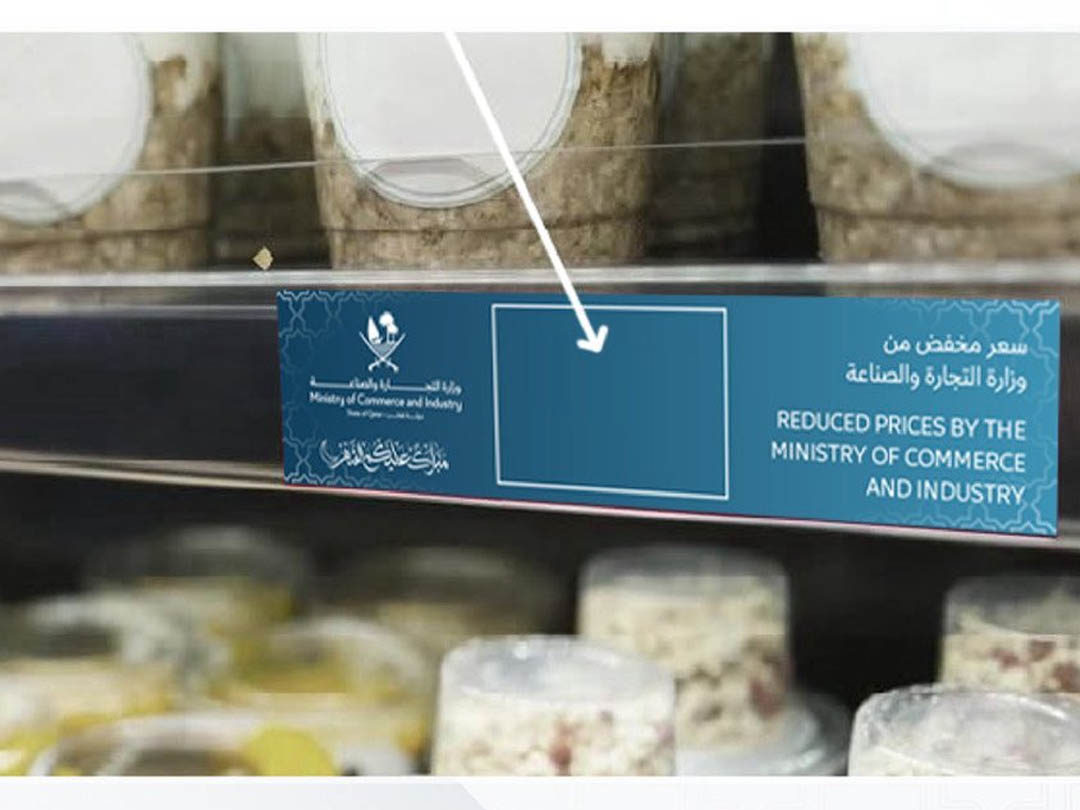

Doha, Qatar – The Ministry of Commerce and Industry of Qatar has launched a Ramadan discounts initiative aimed at easing the financial burden on consumers during the holy month. The program will see price reductions applied to over 1,000 essential goods, encompassing both food and non-food items, across retail outlets nationwide. The initiative began immediately and will continue throughout Ramadan, a period of increased spending for many families.
The announcement, made by the Ministry on February 8, 2024, seeks to stabilize prices and ensure accessibility to key consumer products. According to the Ministry, the discounts are a direct response to concerns about the rising cost of living and aim to support households during a traditionally significant period for charitable giving and family gatherings. Consumers are encouraged to actively seek out participating retailers.
Understanding the Ramadan Discounts Initiative
The core of the initiative centers on collaboration between the Ministry of Commerce and Industry and major retailers throughout Qatar. Participating stores will clearly mark discounted items with a “Reduced Prices by The Ministry of Commerce and Industry” label, making it easier for shoppers to identify savings. This labeling system is intended to provide transparency and build consumer confidence.
Scope of Discounted Goods
The range of products included in the Ramadan discounts is extensive. Essential food staples like flour, sugar, rice, pasta, cooking oil, chicken, and various dairy products will be available at reduced prices. Additionally, the initiative extends to commonly used household items such as paper towels, aluminum foil, detergents, and washing powders. The Ministry stated that these items were selected based on their high demand during Ramadan.
However, the specific percentage of discounts will vary depending on the product and the retailer. The Ministry has not publicly released a comprehensive list of discounted prices, instead relying on retailers to implement reductions independently, within the framework of the initiative. This approach allows for flexibility but also means consumers will need to compare prices across different stores.
Meanwhile, the Ministry emphasized its commitment to monitoring compliance. Inspection teams will be deployed to ensure that retailers adhere to the approved reduced prices and that no deceptive practices are employed. Consumers are also encouraged to report any discrepancies or violations to the Ministry through its designated channels.
In contrast to previous years, this initiative appears to be more broadly focused on a wider range of goods. Earlier efforts sometimes concentrated on a smaller selection of staple foods. This expanded scope reflects a broader understanding of household spending patterns during Ramadan and a desire to provide more comprehensive relief. The initiative also comes at a time when Qatar is experiencing steady economic growth, but with ongoing global inflationary pressures.
Additionally, the Ministry is working to ensure the availability of sufficient supplies of discounted goods to meet anticipated demand. Coordination with suppliers and distributors is underway to prevent shortages and maintain stable market conditions. This proactive approach aims to avoid any disruptions to the supply chain during the peak shopping period.
The success of the Ramadan discounts program will likely be measured by consumer uptake and the extent to which it alleviates financial strain on families. The Ministry has not specified a quantifiable target for the initiative, but it has expressed its commitment to supporting the community during this important time. The initiative also aligns with Qatar’s broader national strategy to promote economic stability and improve the quality of life for its citizens and residents.
Looking ahead, the Ministry has indicated that it will assess the effectiveness of the initiative at the conclusion of Ramadan. This evaluation will likely involve gathering feedback from consumers and retailers, analyzing sales data, and identifying areas for improvement in future programs. The long-term impact on e-commerce and traditional retail remains to be seen, as does the potential for similar initiatives to be implemented throughout the year.