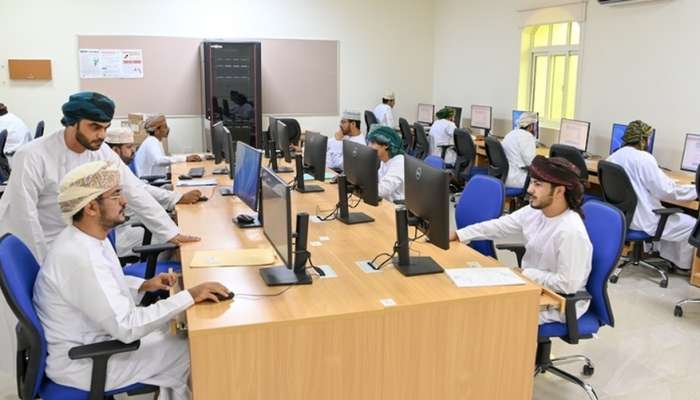

Oman is embarking on a significant initiative to boost employment and skills development with a new national plan aiming to create 60,000 job opportunities for its citizens by 2026. This ambitious project, spearheaded by the Ministry of Labour, represents a concerted effort to align the nation’s workforce with the demands of a rapidly evolving economy and fulfill the Royal directives of His Majesty Sultan Haitham bin Tarik. The plan focuses on strategic partnerships and targeted sector growth to ensure sustainable and quality employment for Omanis.
A Comprehensive National Plan for Employment
The Ministry of Labour has developed this comprehensive plan following a detailed analysis of the Omani labour market. It’s designed to move beyond simply creating jobs and instead focuses on providing opportunities within high-value-added sectors. A key element of this strategy is strengthening the connection between educational and training outputs and the actual needs of the national economy. This alignment is crucial for enhancing the efficiency and competitiveness of the Omani workforce, preparing it for future challenges and opportunities.
Key Pillars of the Employment Strategy
The plan rests on a three-pronged approach, distributing the 60,000 job opportunities across the government sector, government-supported pathways, and the private sector. This diversified strategy aims to maximize impact and ensure broad participation in the economic growth of the Sultanate.
Government Sector Opportunities: Enhancing Public Service
A total of 10,000 job opportunities will be created within the government sector, encompassing civil, military, and security services. This isn’t about simply increasing headcount; it’s about enhancing the efficiency of the state’s administrative apparatus and improving the quality of public services. These positions will be strategically allocated to vital sectors with developmental and service priority, ensuring that government resources are focused on areas that deliver the greatest benefit to citizens.
Government Support Pathways: Bridging the Skills Gap
Recognizing the importance of skills development, the plan allocates 17,000 opportunities through government support pathways. These include wage support programs, training coupled with employment, and on-the-job training initiatives. These programs are designed to equip job seekers with the practical and professional skills they need to succeed in the modern workforce, fostering employability and ensuring long-term integration into the labour market. Skills development is a core component of this initiative.
Private Sector Growth: The Engine of Employment
The private sector is positioned as the primary driver of employment and economic growth, with a commitment to providing 33,000 job opportunities. This will be achieved through strong partnerships with private sector institutions, overseen by employment governance committees. These opportunities will span a wide range of strategic economic sectors, including industry, oil and gas, transport and logistics, tourism, banking, healthcare, education, real estate, IT, food security, and more. This broad sectoral focus aims to promote economic diversification and resilience.
Royal Vision and Strategic Implementation
Dr. Mahad Said Ba’awain, Minister of Labour, emphasized that the national employment plan embodies His Majesty Sultan Haitham bin Tarik’s vision for a balanced economy led by qualified Omani individuals. He stated that the plan goes beyond simply creating numbers, focusing instead on building quality, sustainable jobs linked to training and aligned with current and future labour market demands. This focus on quality is intended to enhance the competitiveness of the national workforce and prepare it for the challenges and opportunities presented by economic and technological transformations.
The Ministry is committed to implementing the plan with clear performance indicators, precise governance mechanisms, and regular follow-up. This will ensure transparent measurement of progress and allow for timely adjustments to address any challenges that may arise. Furthermore, the integration of employment policies with education and training policies is considered a fundamental pillar of the plan. The Ministry is actively working to strengthen partnerships with educational institutions and the private sector to ensure that skills development is directly responsive to market needs, leading to greater career stability for Omani citizens. Labour market alignment is therefore paramount.
Dr. Ba’awain concluded by calling for positive interaction and a collaborative spirit to ensure the plan’s success, stressing that employment is a shared national responsibility. Sustainable development, he asserted, can only be achieved through integrated efforts and unified visions among all stakeholders in the economic ecosystem. This collaborative approach is vital for maximizing the impact of this ambitious initiative and securing a prosperous future for Oman.
This national employment plan represents a significant step towards realizing Oman’s economic vision. By focusing on quality job opportunities, strategic partnerships, and continuous skills development, the Sultanate is positioning itself for sustainable growth and a brighter future for its citizens. Continued monitoring and adaptation will be key to ensuring the plan’s long-term success.