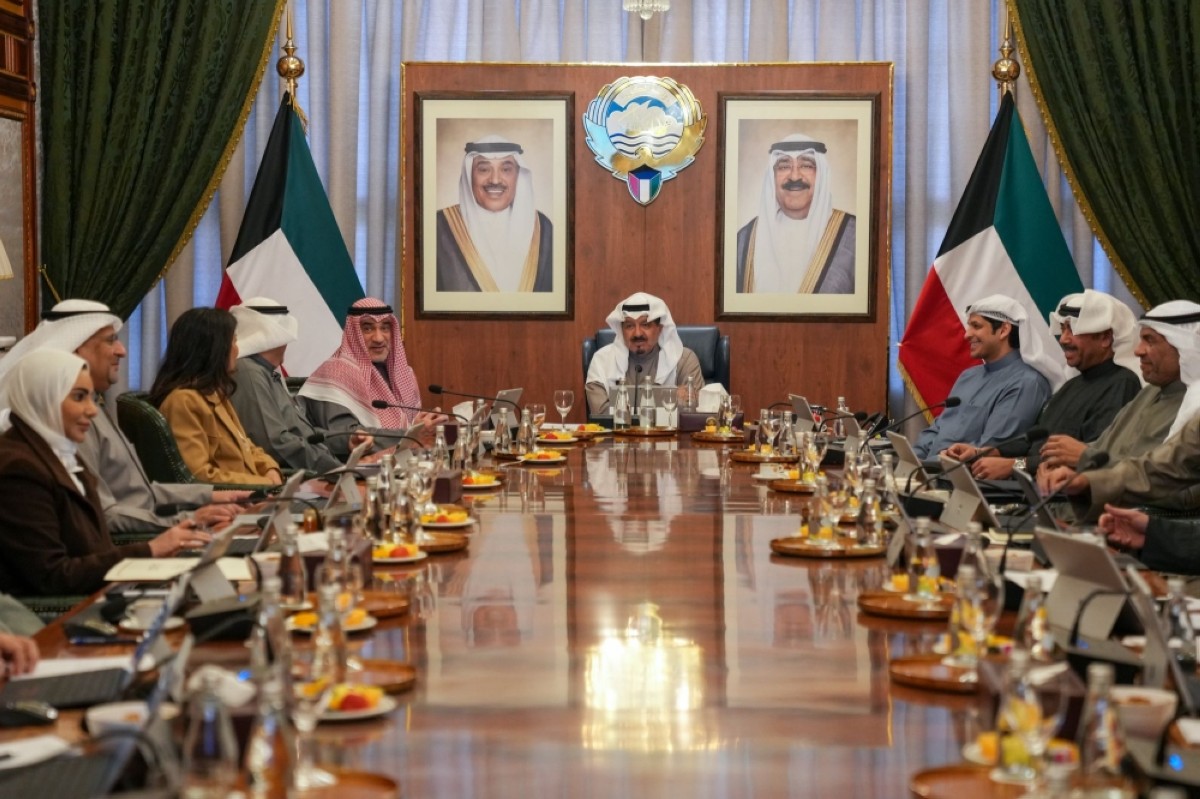

The Kuwaiti Cabinet convened on Tuesday, led by His Highness the Prime Minister Sheikh Ahmad Al-Abdullah Al-Ahmad Al-Sabah, to discuss a range of critical issues impacting the nation’s development and security. Key topics on the agenda included strengthening bilateral relations with international partners, progress on the strategically important Mubarak Al-Kabeer Port project, advancements in digital government services, and ongoing efforts to combat money laundering and terrorist financing. The meeting underscored Kuwait’s commitment to economic diversification, regional integration, and upholding international standards.
Strengthening International Partnerships & Diplomatic Ties
At the start of the meeting, the Cabinet acknowledged and reviewed messages received by His Highness the Amir Sheikh Meshal Al-Ahmad Al-Jaber Al-Sabah from leaders of various countries. These communications focused on bolstering bilateral relations and identifying opportunities for increased cooperation across multiple sectors. This emphasis on diplomacy highlights Kuwait’s proactive approach to fostering positive relationships on the global stage, crucial for attracting investment and navigating complex geopolitical challenges.
The discussions likely covered potential collaborations in areas such as trade, investment, energy, and security, reflecting Kuwait’s diverse interests and its role as a regional player. Maintaining strong ties with both regional allies and international partners remains a cornerstone of Kuwaiti foreign policy.
Mubarak Al-Kabeer Port Project: A Key to Kuwait Vision 2035
A significant portion of the Cabinet meeting was dedicated to the landmark Mubarak Al-Kabeer Port project on Boubyan Island. The recent signing of the Engineering, Procurement, and Construction (EPC) contract on Monday was a central point of discussion, signifying a major step forward in the project’s realization. His Highness the Prime Minister expressed gratitude for the Amir’s guidance and the political leadership’s unwavering support for this strategic initiative.
Project Significance and Economic Impact
The Mubarak Al-Kabeer Port is not merely a construction project; it’s a vital component of Kuwait Vision 2035, the nation’s long-term development plan. The Cabinet emphasized the port’s potential to:
- Diversify the Kuwaiti economy, reducing reliance on oil revenues.
- Generate new sources of national income.
- Create high-skilled job opportunities for Kuwaiti citizens.
- Develop national expertise in logistics, commerce, and related industries.
- Enhance Kuwait’s position as a regional and international trade hub.
The project is expected to facilitate greater logistical integration with neighboring countries and expand Kuwait’s participation in the global trade network. Dr. Noura Mohammed Al-Mashaan, Minister of Public Works, received praise for her diligent work in securing the necessary approvals from state regulatory bodies, paving the way for the EPC contract signing. The contract was finalized with China Communications Construction Company Limited, represented by Vice President Chen Zhong.
Advancing Digital Governance with “Sahel”
Kuwait continues to prioritize digital transformation as a means of improving public services and enhancing efficiency. The Cabinet celebrated the success of the unified government electronic services application, “Sahel,” which was awarded the prestigious Sheikh Salem Al-Ali Al-Sabah Informatics Award in its 25th session.
This recognition underscores “Sahel’s” significant contribution to advancing digital services within Kuwait. The application simplifies procedures for citizens and residents, offering an integrated platform for accessing a wide range of government functions. The Cabinet reaffirmed its commitment to supporting the ongoing development of “Sahel” and similar initiatives to further improve service quality and accelerate the nation’s digital evolution. This focus on e-governance is crucial for attracting a tech-savvy workforce and fostering innovation.
Strengthening Anti-Money Laundering and Counter-Terrorist Financing Measures
Maintaining financial integrity and combating illicit financial flows are paramount concerns for Kuwait. The Cabinet received a comprehensive presentation from Dr. Hamad Khaled Al-Makrad, Head of the Kuwaiti Financial Intelligence Unit and Chairman of the National Committee for Combating Money Laundering and Terrorist Financing.
The presentation detailed Kuwait’s preparations for the upcoming evaluation by the Financial Action Task Force (FATF), a global standard-setting body in the fight against money laundering and terrorist financing. Dr. Al-Makrad highlighted recent legislative reforms, operational improvements, and enhanced international cooperation in these critical areas. Kuwait’s proactive approach to meeting FATF standards demonstrates its dedication to safeguarding the global financial system and preventing the use of its financial infrastructure for illegal activities. This commitment to anti-money laundering efforts is vital for maintaining Kuwait’s international reputation and attracting foreign investment.
Other Agenda Items and Future Outlook
In addition to these key discussions, the Cabinet reviewed a variety of other agenda items, approving some and referring others to relevant ministerial committees for further consideration. This demonstrates a thorough and systematic approach to governance, ensuring that all important matters receive due attention.
The outcomes of this Cabinet meeting signal a continued focus on strategic development, international collaboration, and good governance. Kuwait is actively working to diversify its economy, enhance its infrastructure, and strengthen its position as a responsible and engaged member of the global community. The emphasis on bilateral relations, coupled with advancements in digital services and robust anti-money laundering measures, positions Kuwait for sustained growth and prosperity in the years to come.