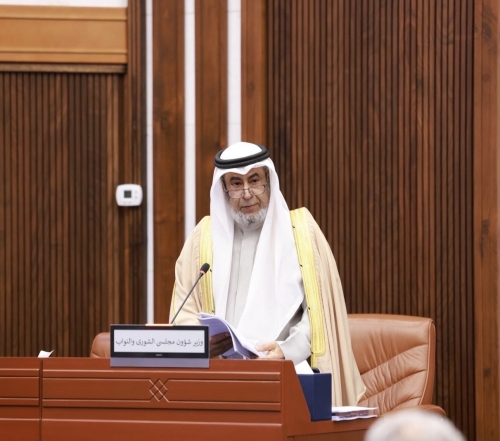

A recent parliamentary session in Manama saw a discussion unfold regarding the accuracy and verification of Bahrain employment statistics. The debate, sparked by questions from MP Dr. Hisham Al Ashiri, centered on the figures provided by the Civil Service Bureau (CSB) and the need for a reliable method to confirm their validity. This highlights a growing concern about transparency and data accuracy in the nation’s job market, particularly as Bahrain continues to focus on economic diversification and workforce development.
Parliamentary Debate Focuses on Bahrain Employment Data Verification
The core of the discussion revolved around a request for clarification from MP Al Ashiri regarding hiring numbers. His Excellency Ghanim Al Buainain, the Minister of Parliamentary Affairs, responded by stating that the figures originated from the CSB, the body responsible for overseeing public sector recruitment. However, this wasn’t enough to fully satisfy the MP, leading to a call for a mutually agreed-upon verification process.
Al Buainain emphasized the importance of respecting individual privacy while acknowledging the need for accountability. He explained that simply disclosing individual employment data was not permissible without explicit consent. This consideration adds a layer of complexity to the verification process, requiring a balance between transparency and legal obligations.
Recent Hiring Figures Released by the Civil Service Bureau
According to the data presented by the Minister, the Civil Service Bureau facilitated the hiring of 3,884 employees between 2023 and December 24, 2025. A significant portion of this recruitment, 2,329 positions, was concentrated within the crucial sectors of education and health. This concentration reflects the ongoing investment in these areas and the need to meet international standards for qualified personnel.
Breakdown of Education and Health Roles
The 2,329 positions within education and health were further broken down as follows:
- 1,702 in education
- 145 in higher education
- 283 in medical roles
- 40 in pharmacy
- 8 in medical laboratories
Additionally, the CSB oversaw the recruitment of 135 engineers and 16 engineering technicians, demonstrating a broader effort to fill skilled positions across various industries. This detailed breakdown provides a clearer picture of the specific areas of demand within the Bahrain job market.
Beyond Public Advertisements: Alternative Recruitment Pathways
The Minister clarified that public job advertisements are not the sole method of recruitment employed by the government. He explained that these advertisements typically follow other internal processes designed to prioritize existing public sector employees.
This internal system, known as Shawaghir, allows government employees to apply for vacant positions within different ministries. This approach fosters internal mobility and provides opportunities for career advancement within the public sector. It also potentially reduces recruitment costs and streamlines the hiring process. This system is a key component of public sector hiring in Bahrain.
Al Buainain argued that utilizing Shawaghir and other internal pathways is a standard practice, ensuring that qualified individuals already within the system are given due consideration before positions are opened to the wider public. This strategy aims to optimize the existing workforce and minimize disruptions caused by external recruitment.
The Importance of Cross-Verification and Data Integrity
The debate underscores the importance of robust data verification mechanisms in ensuring the accuracy of employment statistics in Bahrain. While the Civil Service Bureau is the primary source of this information, the Minister suggested utilizing other organizations, such as the Social Insurance Organisation (SIO), as a means of cross-checking the data.
The SIO maintains records of social insurance contributions, which are directly linked to employment status. By comparing data from the CSB with that of the SIO, discrepancies can be identified and investigated. This multi-source verification approach strengthens the reliability of the overall figures.
However, Al Buainain reiterated the need to balance data verification with the protection of individual privacy. Any cross-checking process must adhere to legal regulations and respect the confidentiality of personal information. This is a critical consideration in maintaining public trust and ensuring ethical data handling practices.
Looking Ahead: Towards Greater Transparency in Bahrain’s Workforce
The parliamentary discussion represents a positive step towards greater transparency and accountability in Bahrain’s employment sector. The call for a clear verification mechanism signals a commitment to ensuring the accuracy of official statistics.
Moving forward, establishing a standardized and legally sound process for cross-referencing data from various sources will be crucial. This process should prioritize data integrity while upholding the privacy rights of individuals. Continued dialogue between parliamentarians and government officials will be essential in developing and implementing effective solutions. Ultimately, reliable Bahrain labour market data is vital for informed policymaking and sustainable economic growth.