








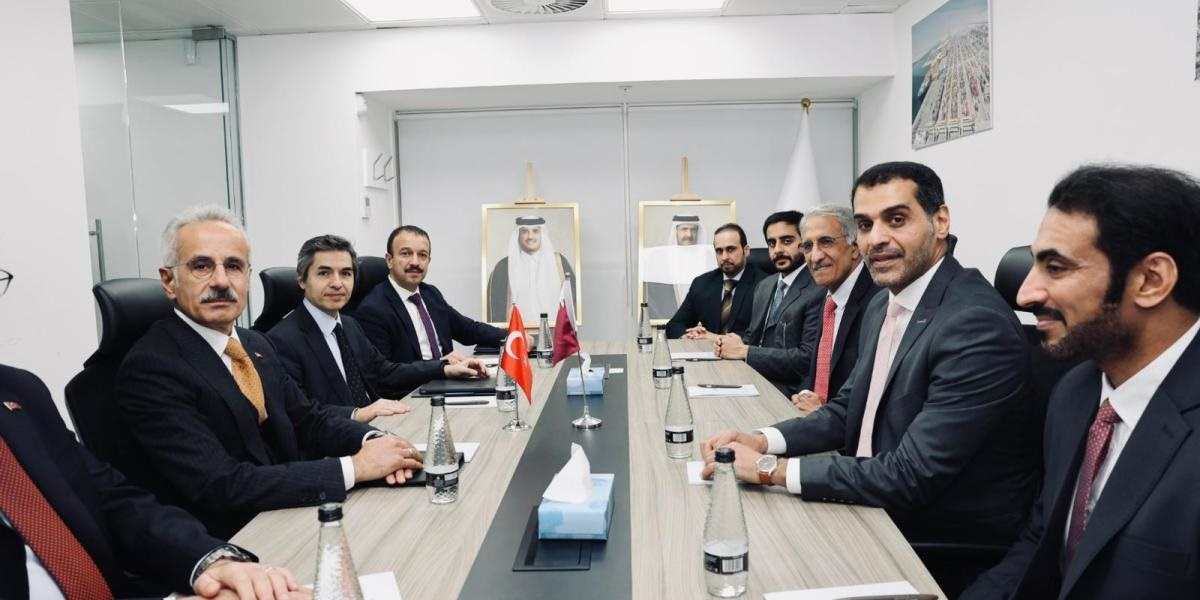

Qatar and Türkiye are strengthening their transport cooperation, with high-level meetings taking place in London this week on the sidelines of the International Maritime Organization (IMO) Assembly. The discussions focused on expanding collaboration in transport and logistics services between the two nations. This renewed focus signals a potential boost to trade and infrastructure development for both countries.
The meeting between Qatar’s Minister of Transport, HE Sheikh Mohammed bin Abdullah bin Mohammed Al-Thani, and Türkiye’s Minister of Transport and Infrastructure, HE Abdulkadir Oraloglu, occurred on Thursday, November 30, 2023, during the 34th session of the IMO Assembly in London. According to a statement released by the Qatari Ministry of Transport, the ministers reviewed existing partnerships and explored avenues for further growth. This comes amid increasing global attention on supply chain resilience and efficient logistics networks.
Expanding Qatar-Türkiye Transport Cooperation
The core of the discussions revolved around identifying opportunities to enhance cooperation in various transport sectors, including maritime, air, and land transportation. Both nations are strategically positioned to serve as key transit hubs, and increased collaboration could streamline the movement of goods and people between Asia, Europe, and Africa. The ministers reportedly discussed potential joint ventures and infrastructure projects to facilitate this.
Logistics and Supply Chain Focus
A significant portion of the conversation centered on logistics services. Qatar, a major player in the energy sector, relies heavily on efficient logistics for its exports. Türkiye, with its growing manufacturing base and strategic location, is also prioritizing improvements in its logistics infrastructure. Developing integrated logistics solutions could benefit both economies.
Additionally, the meeting touched upon the importance of harmonizing regulations and standards to simplify cross-border transport. This includes streamlining customs procedures and improving connectivity between ports and airports. Such measures are crucial for reducing trade barriers and fostering economic integration.
However, geopolitical factors and global economic conditions could influence the pace of these developments. Fluctuations in energy prices and shifts in international trade patterns may require adjustments to the collaborative strategy. The ongoing situation in the Red Sea, impacting global shipping routes, is also a relevant consideration.
Maritime Collaboration
Given the location of the meeting at the IMO Assembly, maritime transport was a key area of discussion. Qatar and Türkiye both have ambitious plans for expanding their port capacities and enhancing their maritime infrastructure. Exploring joint initiatives in areas such as port management, shipbuilding, and maritime safety could yield significant benefits. The IMO Assembly itself focuses on international standards for shipping safety and security, providing a platform for collaborative discussions.
Meanwhile, Qatar is investing heavily in its maritime sector as part of its National Vision 2030, which aims to diversify the economy and promote sustainable development. Türkiye is also undertaking significant infrastructure projects, including the expansion of its major ports and the development of new shipping routes. These parallel investments create opportunities for synergistic collaboration.
In contrast to some regional tensions, Qatar and Türkiye maintain strong diplomatic and economic ties. This positive relationship provides a solid foundation for deepening cooperation in the transport sector. The two countries have previously collaborated on various projects, including infrastructure development and investment in logistics companies.
The Ministry of Transport in Qatar has indicated that further details regarding specific projects and initiatives will be announced in the coming months. The next step is expected to involve the formation of joint working groups to explore specific areas of cooperation and develop detailed implementation plans. Observers will be watching for concrete agreements and timelines for these projects, as well as any potential impact on regional trade routes and infrastructure investment. The success of this bilateral relationship will depend on continued political will and effective coordination between the two governments.
The International Maritime Organization continues to play a vital role in setting global standards for maritime safety and efficiency, influencing the direction of these collaborations.

