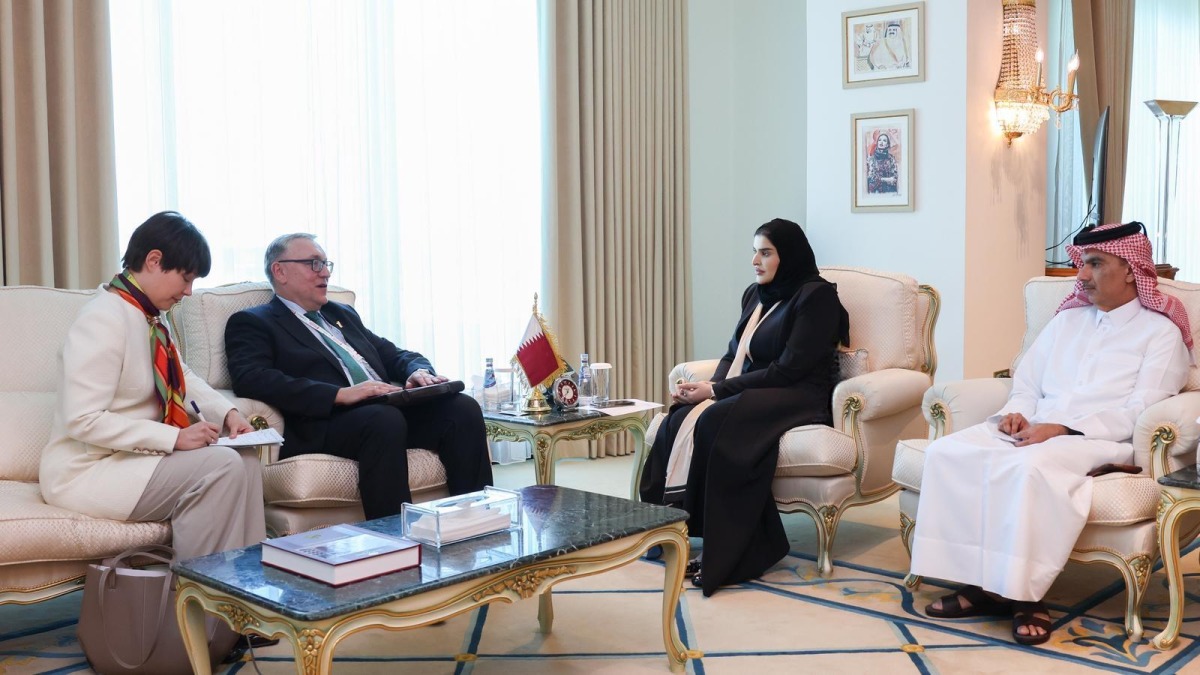

Qatar and Russia convened high-level talks in Doha yesterday, focusing on strengthening bilateral relations and addressing areas of mutual concern. Minister of State for International Cooperation H.E. Maryam bint Ali bin Nasser Al Misnad met with Russian Deputy Foreign Minister H.E. Dmitry Lyubinsky during his visit to the State of Qatar. The discussions represent a continued effort to foster diplomatic ties between the two nations amidst a shifting geopolitical landscape.
The meeting, held in Doha on December 18, 2023, covered a broad spectrum of topics, according to a statement released by the Qatari Ministry of Foreign Affairs. While specific details of the conversations were not disclosed, the focus on enhanced cooperation suggests a desire to build upon existing partnerships in areas like energy, investment, and potentially, security. This engagement occurs as both countries navigate complex international challenges.
Strengthening Qatar-Russia Bilateral Relations
The emphasis on bilateral relations during the meeting signals Qatar’s commitment to maintaining open communication channels with key global actors, including Russia. Qatar has historically pursued a policy of non-alignment and dialogue, seeking to mediate and build bridges between differing viewpoints. This approach is particularly relevant given the ongoing conflicts and tensions in various regions.
Economic ties between Qatar and Russia have been growing in recent years. Qatar Investment Authority (QIA) has made strategic investments in Russian companies, and there is potential for further collaboration in the energy sector, particularly liquefied natural gas (LNG). Russia is a significant energy producer, and exploring cooperative opportunities could benefit both nations. Understanding diplomacy is key for understanding these engagements.
However, Qatar’s relationship with Russia has drawn increased scrutiny following the conflict in Ukraine. While Qatar has voiced support for Ukraine’s sovereignty and territorial integrity, it has also maintained dialogue with Moscow. This balancing act reflects Qatar’s desire to avoid taking sides in a way that could harm its own interests or its role as a regional mediator.
Geopolitical Context and Shared Interests
The meeting took place against a backdrop of evolving geopolitical dynamics in the Middle East and beyond. Qatar plays a crucial role in regional mediation efforts, and Russia is a major player in international affairs. Identifying Middle East policy is important when considering these interactions.
Shared interests likely included discussions on regional security, particularly concerning the situation in Syria and the broader implications of the Israeli-Palestinian conflict. Both countries have expressed concerns about the potential for further instability in the region and may be seeking common ground on addressing these challenges. Additionally, the discussions likely touched upon global energy markets and the impact of geopolitical events on energy prices.
Meanwhile, Qatar’s mediation efforts have been noted internationally, including its role in facilitating prisoner exchanges and humanitarian assistance. Russia may view Qatar as a valuable partner in de-escalating tensions and finding diplomatic solutions to complex issues. This is especially true as international efforts to resolve conflicts often require multiple intermediaries.
In contrast to some Western nations, Qatar has not imposed sanctions on Russia following the invasion of Ukraine. This decision has been attributed to Qatar’s commitment to neutrality and its desire to maintain open lines of communication. The country has, however, stated its adherence to international law and its condemnation of the use of force against sovereign nations.
The talks also likely addressed the upcoming Expo 2023 Doha, and potential Russian participation. Qatar is actively promoting the event as a platform for international cooperation and sustainable development. Expo 2023 Doha is expected to draw significant attention to Qatar’s economic and environmental initiatives.
Looking ahead, the outcome of these discussions will likely be reflected in future collaborations and policy positions. It remains to be seen whether concrete agreements will emerge from the meeting, but continued dialogue is expected. Analysts will be watching for any shifts in Qatar’s approach to the Russia-Ukraine conflict and its broader foreign policy alignment in the coming months, particularly as regional and global events unfold. Further statements from both the Qatari and Russian governments are anticipated, providing more clarity on the specific areas of cooperation discussed and any commitments made.