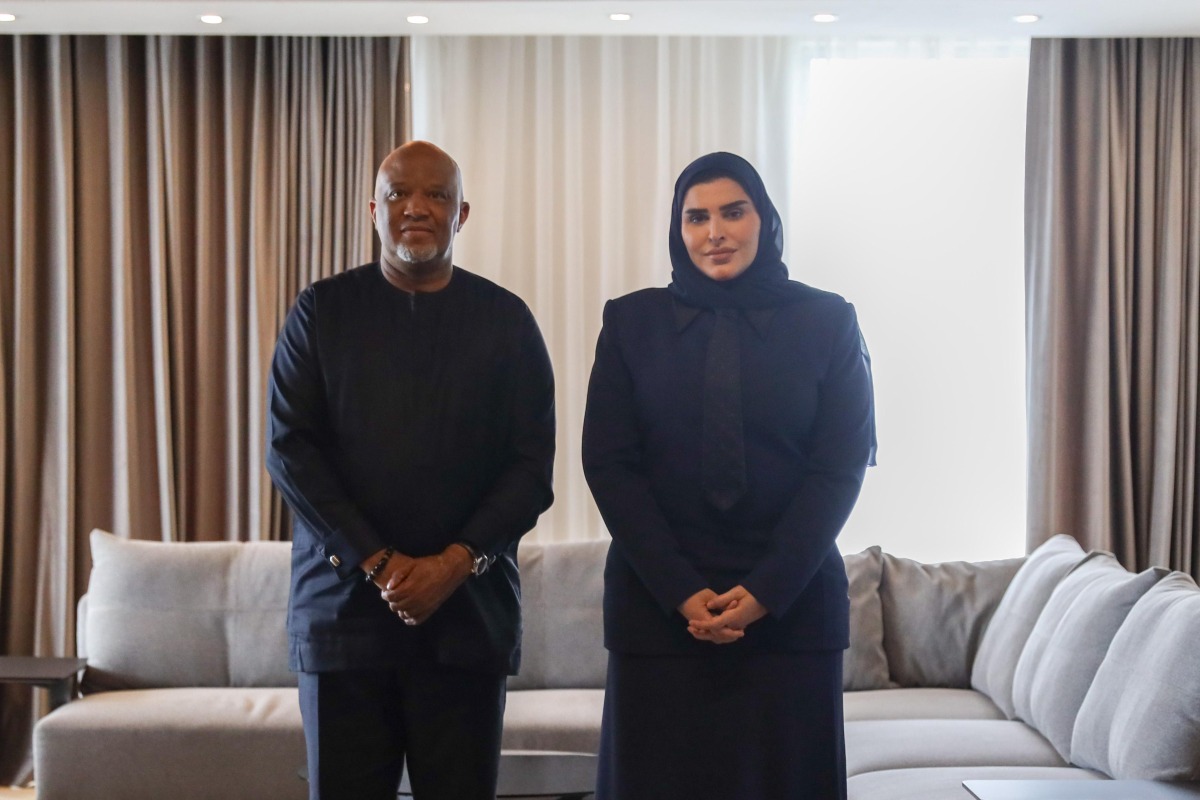

Johannesburg, South Africa – Qatari Minister of State for International Cooperation, HE Dr. Maryam bint Ali bin Nasser Al Misnad, held discussions with Mcebisi Jonas, Chairman of the MTN Group, in Johannesburg on Wednesday, focusing on bolstering digital infrastructure development in emerging economies. The meeting underscored the potential for increased collaboration between governmental bodies and private sector telecommunications leaders to accelerate connectivity initiatives. The discussions took place during Al Misnad’s official visit to South Africa, highlighting the growing importance of international partnerships in expanding access to technology.
The meeting between the Qatari Minister and the MTN Group Chairman signifies a potential shift towards more coordinated efforts to bridge the digital divide, particularly within African nations and other developing regions. MTN Group, a leading provider of mobile communications services in Africa and beyond, operates in over 20 countries and serves nearly 300 million customers. The focus on collaboration comes as countries worldwide grapple with expanding internet access and affordability.
Strengthening Digital Infrastructure Through Public-Private Partnerships
According to a statement released by Qatar’s Ministry of Foreign Affairs, the primary goal of the meeting was to explore avenues for strengthening cooperation between government institutions and major corporations like MTN to enhance digital infrastructure across developing nations. This includes exploring opportunities for investment, knowledge transfer, and policy alignment. The Ministry stated their commitment to fostering sustainable development through technology.
Focus on Emerging Markets
MTN Group has long been recognized for its significant footprint and investment in emerging markets. The company has consistently emphasized the importance of affordable connectivity as a catalyst for economic growth and social development. Their work involves expanding network coverage, deploying innovative technologies, and addressing challenges related to digital inclusion.
However, the expansion of digital infrastructure in developing countries faces numerous hurdles. These include limited access to funding, regulatory complexities, and the need for skilled labor. Collaboration between governments and private companies like MTN is seen as a crucial step towards overcoming these obstacles. The Qatar Investment Authority (QIA) has been a notable investor in MTN in recent years, further connecting the economic interests of the two nations.
Additionally, increasing access to telecommunications networks is often viewed as vital for achieving the United Nations’ Sustainable Development Goals. Specifically, improved connectivity is believed to support education, healthcare, and economic empowerment initiatives. The conversation likely touched upon aligning such initiatives with ongoing international development strategies.
Expanding Access to Mobile Technology
The importance of mobile technology in bridging the digital divide is well established. Mobile phones provide a relatively low-cost and accessible means of connecting individuals to the internet and accessing essential services. MTN’s expertise in mobile network operation and service delivery could be leveraged to accelerate the deployment of mobile broadband networks.
In contrast, fixed-line infrastructure – while important for certain applications – often requires significant upfront investment and is not always feasible in remote or rural areas. MTN’s focus on wireless technologies provides a potential solution for reaching underserved populations. This mirrors a broader global trend toward prioritizing mobile-first strategies for digital inclusion.
The meeting also likely addressed the need for supportive regulatory frameworks. Clear and predictable regulations are essential for attracting private investment and fostering innovation in the telecoms sector. Governments play a key role in creating an enabling environment for companies like MTN to operate and expand their services.
While specific details of the agreements discussed remain undisclosed, the meeting signals a willingness from both Qatar and MTN to explore concrete collaborations. Sources indicate that discussions involved potential joint projects aimed at improving internet penetration rates and promoting digital literacy initiatives. A follow-up meeting between representatives from both sides is expected within the next quarter to further detail potential areas of collaboration and establish a framework for future cooperation.
Looking ahead, the success of this potential partnership will depend on several factors, including securing sufficient funding, navigating regulatory hurdles, and ensuring that projects are aligned with the needs of local communities. The outcomes of the planned follow-up meeting will be closely watched by stakeholders in the digital economy and international development community.